
Davis Lemon Law Lawyers
Davis lemon law is incredibly useful for dealing with situations where vehicle issues persist even after multiple repair attempts. You might have faith that the dealership will make things right at first, only for the same problems to return time and time again. Over time, those repeat visits can affect your schedule, your finances, and your confidence in a vehicle you’re supposed to be able to rely on. Recent changes to California’s lemon law have also shifted how certain cases move forward, making it even more important to understand where your situation fits before taking the next step.
America’s Lemon Lawyer works with Davis drivers to build strong cases around those real-life disruptions. We take a close look at the repair history, the financial impact, and what kind of resolution makes the most sense based on how the vehicle’s issues have affected your life. Our team can help you understand the difference between general warranty coverage and true lemon law protection, and we focus on outcomes that match your experience. If you’re dealing with ongoing vehicle problems and want clear guidance on how to move forward, call (818) 421-2327 to speak with our team.
Recent Updates that Affect Davis Lemon Law Cases
California’s lemon law has always focused on protecting consumers when dealerships and manufacturers fail to fix serious vehicle defects, but recent changes have added more structure to how that process unfolds. New rules now affect how much time you have to file a claim, what kind of notice you need to give the manufacturer, and how certain deadlines are calculated. These updates matter because even small shifts in timing or procedure can change whether a case qualifies.
For Davis drivers dealing with a stubborn defect, these updates may change how your case moves forward, or whether it qualifies at all. That’s why understanding what’s changed and how those rules apply to your situation can make the difference between a dismissed claim and a successful one. America’s Lemon Lawyer walks you through these changes and makes sure your case aligns with the latest legal standards so nothing slips through the cracks.
New Pre-Filing Requirements That Now Apply
One of the biggest changes to the lemon law process involves how drivers must notify manufacturers before filing a formal claim. If you don’t provide proper written notice, or if the notice doesn’t include the right details, the claim can stall before it even begins. The law now spells out what kind of notice is required and when it must be sent. This means you need to be intentional with how you communicate, what you include, and how you keep records of those conversations.
Why Pre-Suit Notices Now Matter More Than Ever
Under the current rules, sending a written notice isn’t just a good idea, it’s required for many types of claims. That notice starts a legal clock and gives the manufacturer one final chance to make things right before formal action begins. If the notice is missing, incomplete, or sent too late, it can give the manufacturer an excuse to reject your claim altogether.
How These Notices Can Affect Your Timeline
Once the notice goes out, the manufacturer has a specific window of time to respond. That response, or lack of one, can shape what steps come next. If they ignore it or offer a weak solution, you have the right to move forward. But if you don’t track the timing properly, the window for action may close without you realizing it.
Common Mistakes That Lead To Delays
Some drivers send a notice but don’t include enough detail. Others rely on dealership staff to pass along the message, which doesn’t count as proper notice under the law. These missteps can delay your case and give the manufacturer more room to argue against your eligibility.
Keeping Copies and Following Up
Whenever you send a notice, make sure you keep a copy, track the delivery, and follow up if you don’t hear back. These records prove that you did your part and help counter any claims that you failed to give the manufacturer a fair chance.
Checking What Your Warranty Requires
Some vehicle warranties now include specific language about notice and repair opportunities. Comparing your warranty to the state’s requirements can reveal whether additional steps apply in your case.
Changes to Filing Deadlines and Time-Based Limits
The updated law has also clarified how long you have to file and what counts as the start of the timeline. Many Davis lemon law claims now depend on when the defect first appeared and how quickly the vehicle’s issues showed up during the warranty period. These technical changes may seem small, but they can make a big difference if you’re close to the limit.
When the Clock Starts on Your Claim
In most cases, the filing window begins when you first notice the issue, not when the dealership acknowledges it. This distinction matters because early signs of trouble often don’t lead to immediate repairs. You may report something multiple times before the dealership takes action. Documenting the very first sign of trouble helps establish a stronger timeline.
How Repair Records Can Anchor Your Case
Your service records show more than just what was fixed. They show when the issue began, how long the vehicle was out of service, and how long it took the dealership to try to resolve it. These timestamps help lock in your eligibility and defend your position if the manufacturer claims you waited too long.
Using Gaps and Delays To Your Advantage
If the dealership caused delays or failed to follow through on promised repairs, that time doesn’t count against you. The law looks at the total time the vehicle was out of service and whether the manufacturer had a real chance to resolve the defect. Showing that the delay wasn’t your fault can push the timeline in your favor.
Reviewing Your Claim’s Timeline With Legal Support
Lemon law attorneys can review your repair records and help figure out when the legal window opened, and whether it’s still open. That review can prevent mistakes that would otherwise make you miss your opportunity to file.
Don’t Rely on Verbal Promises Alone
Dealerships may give verbal reassurances about fixing things later, but unless it’s documented, it won’t hold up. A clear paper trail protects your case and prevents misunderstandings that work against you.
Manufacturer Responses and Tactics After the Updates
As the lemon law becomes more structured, manufacturers have started adjusting how they respond. Some push harder against claims, while others try to settle early to avoid legal costs. Understanding how they tend to react helps shape the strategy behind your claim and gives you a better chance of reaching the outcome you want.
Recognizing Pushback That Doesn’t Hold Up
Some manufacturers now argue that drivers didn’t follow the new rules, even when the documents say otherwise. These arguments don’t always reflect reality, but they can still slow your case down. We prepare ahead of time to counter those defenses with detailed records and a clear explanation of each step taken.
Tracking Changes in Manufacturer Strategy
In Davis lemon law cases, we’ve seen more manufacturers demand arbitration or deny claims on technicalities instead of addressing the defect itself. These tactics aim to frustrate the process or wear drivers down. A focused legal response keeps the conversation where it belongs, on the pattern of repairs and how the vehicle has failed.
Knowing What To Expect at Each Stage
With the law now more defined, manufacturers know exactly what they’re required to do. When they don’t follow those steps or try to sidestep their obligations, we use the structure of the updated law to hold them accountable.
Protecting Yourself From Misinformation
It’s not unusual for dealership staff or manufacturer reps to give you information that’s incomplete or flat out wrong. When we handle your case, we review all communication and make sure no one uses confusion to their advantage.
Keeping the Focus on Your Actual Experience
No matter how the manufacturer frames it, your repair history and how the issues affected your life are what the case comes down to. The law now gives you more tools to show that story clearly, and hold the manufacturer to it.

Calculating Costs and Resolving a Lemon Law Claim in Davis
One of the most important parts of a Davis lemon law claim is identifying the financial impact caused by the vehicle’s ongoing problems. Most people think first about the price of the car, but that’s only one piece of the puzzle. Out of pocket repair costs, time without a vehicle, lost income, and other disruptions all factor into what compensation may be available. A well-documented claim shows not just that a defect exists, but that it created real consequences.
Once those losses are clearly outlined, the conversation shifts toward resolution. That can mean a buyback, a replacement vehicle, or another outcome that reflects what you’ve been through. Each option involves a different set of considerations, and what works best depends on your goals, how the defect affected your life, and how the manufacturer responds to the claim.
Tallying Costs That Go Beyond Repairs
The money spent fixing the vehicle is often just the beginning. When a defect keeps coming back, the losses tend to spread across different parts of your life. Missed workdays, rental cars, rideshares, and extended wait times all contribute to the total cost. The Davis lemon law looks at how the defect disrupted your ability to use the vehicle as promised, not just what shows up on a receipt.
Including Rental Cars and Transportation Expenses
Every time the dealership keeps your vehicle for repairs, you still need a way to get around. Rental costs add up quickly, and even short term alternatives like rideshares or borrowing a car can create strain. Keep receipts and notes about how you got from place to place while the vehicle was in the shop.
Documenting Missed Work or Delayed Plans
If you lost income because you couldn’t get to work or had to rearrange your schedule, those disruptions matter. Even unpaid time off or rescheduled appointments can help show how the defect impacted your routine. These details give weight to the repair timeline and reinforce why compensation is appropriate.
Capturing the Cumulative Impact
While any single delay might seem small, the pattern of repeated problems often creates a much larger financial picture. Multiple short term costs can combine into one long term burden, especially when the issue drags on for months.
Comparing Buybacks, Replacements, and Settlements
After the costs are added up, the next step is figuring out how to resolve the claim. Most Davis lemon law cases end with either a buyback, a replacement vehicle, or a settlement that compensates you for the time and money lost. The right choice depends on what outcome fits your needs and how strong the manufacturer’s offer actually is.
How a Lemon Law Buyback Works
In a buyback, the manufacturer takes the vehicle back and refunds qualifying costs. That refund typically includes your down payment, monthly payments, registration fees, and other eligible expenses, minus a deduction for mileage before the defect started. This option makes sense if you want to walk away from the vehicle entirely and move on with something new.
Considering a Replacement Vehicle
If you like the type of vehicle you chose but no longer trust the one you purchased, a replacement may be the better fit. The manufacturer provides a similar vehicle with the same features, and you return the defective one in exchange. This solution appeals to drivers who want the same model but need assurance that it will function properly going forward.
Understanding Mileage Offsets and Usage Deductions
Both buybacks and replacements include a mileage deduction, which reduces the amount the manufacturer owes based on how much you used the vehicle before the issue began. We review that calculation closely to make sure it’s accurate and fair. Some manufacturers try to apply this offset too early, which reduces your refund more than it should.
When a Cash Settlement Might Be the Better Fit
In some cases, you may decide to keep the vehicle and accept compensation for the inconvenience and cost. This option can work when the problem has been resolved or when the value of the compensation outweighs the need to return the vehicle. We help you weigh that choice based on your goals and what you’ve already been through.
Balancing Practical Needs With Legal Options
Not every driver wants the same result. Some want a clean break, while others want closure and compensation without giving up their car. We tailor our approach based on what matters most to you.
Negotiating Toward a Meaningful Resolution
Once the potential outcome is on the table, the focus shifts to negotiation. Most manufacturers open with a low offer or try to frame the problem as less severe than it really is. We respond by showing how the repair history, the costs you’ve faced, and the ongoing inconvenience all support a stronger outcome. The Davis lemon law gives you tools, but how you use them during negotiation affects the end result.
Presenting a Strong Demand Package
We prepare a demand letter that includes a detailed timeline, a summary of all repair visits, cost documentation, and a clear explanation of how the defect affected your ability to use the vehicle. That package sends a message that your claim is serious and well-supported, which increases the chance of a more realistic offer.
Responding to Weak or Incomplete Offers
If the manufacturer responds with a settlement that doesn’t match your records, we review it with you line by line. Some offers skip over key costs, underestimate the mileage deduction, or leave out qualifying expenses. We push back with supporting documents and legal arguments until the offer better reflects your situation.
Staying Flexible While Holding Your Ground
You don’t have to accept the first number they offer. At the same time, not every case needs to go to court. We help you find a balance between pushing for more and resolving the claim on a timeline that works for you.
Finalizing the Agreement and Wrapping Up the Case
Once the offer makes sense, we walk you through the closing steps. That includes signing documents, confirming payments, and coordinating vehicle returns or replacements. We stay involved until every part of the agreement is completed and nothing gets overlooked.
Differences Between Davis Lemon Law Claims and Warranty Claims
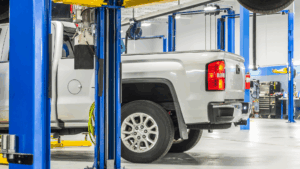
Vehicle owners in Davis often assume that a standard warranty and lemon law protection mean the same thing. While both offer support when something goes wrong with your car, they operate very differently. A warranty is a contract between you and the manufacturer, focused on covering repairs during a certain timeframe or mileage range. Lemon law, on the other hand, steps in when those repairs don’t work, and when the dealership has had more than enough chances to get it right.
Understanding the differences between these two systems can help you avoid delays and take action when it’s time to do more than wait for another repair attempt. America’s Lemon Lawyer helps Davis drivers draw that line clearly, showing how a situation moves from being a warranty issue to a valid lemon law claim that deserves legal attention.
Warranty Coverage Starts the Process, but Doesn’t Define It
Most Davis lemon law claims begin under warranty, but just because a repair is covered doesn’t mean it fixes the underlying problem. A warranty offers a promise to attempt repairs, it doesn’t guarantee that those repairs will work. This is where many drivers get stuck, continuing to return for the same fix while thinking they’re protected, when in reality, their case may already qualify for legal action under the lemon law.
Understanding What Warranties Actually Cover
A warranty typically covers the cost of parts and labor for repairs during a specific timeframe, like three years or 36,000 miles. It doesn’t extend to rental cars, lost wages, or the emotional toll of ongoing vehicle problems. If the issue persists, a warranty might allow for another repair, but it won’t offer a refund or replacement.
Spotting the Point Where Lemon Law Takes Over
Once a defect has returned after multiple repair attempts or the vehicle has spent an unreasonable amount of time out of service, it often crosses the line into lemon law territory. The key difference is that lemon law looks at results, not just effort. It asks whether the manufacturer actually fixed the problem, not just whether they tried.
Manufacturer Delays Can Strengthen Your Claim
If the dealership consistently takes too long to complete repairs or fails to order parts on time, those delays help show that the problem wasn’t resolved within a reasonable window. This becomes part of the case against the manufacturer under Davis lemon law.
Lemon Law Claims Include Broader Compensation
Warranty coverage focuses on repairs, but lemon law considers the full impact of the defect. If a dealership fails to resolve the issue, lemon law opens the door to compensation for a range of losses, including the loss of use, the cost of alternate transportation, and potential vehicle replacement or buyback.
Financial Losses Covered Beyond the Warranty
A Davis lemon law claim can include rental car fees, rideshare expenses, missed work, and other costs that don’t appear on a warranty invoice. These additional losses often represent the true burden of the defect, even when the repairs themselves were free under warranty.
Compensation When Repairs Don’t Work
When repeated visits don’t solve the issue, lemon law allows for resolutions that go beyond trying again. That can mean replacing the vehicle or receiving a full or partial refund, depending on the severity of the defect and how long you’ve dealt with it.
Comparing Case Outcomes in Real Terms
Drivers who rely solely on their warranty may end up with a repaired vehicle that still doesn’t work correctly. Lemon law aims to resolve the situation entirely, not just delay the next breakdown. That difference shapes the kind of closure you can expect.
Legal Standards Apply Differently in Each Process
Warranties are governed by contract law and the terms spelled out by the manufacturer. Lemon law, however, operates under state law and gives consumers specific rights that go beyond what’s written in a warranty booklet. These legal standards set clear expectations and timelines that the manufacturer can’t sidestep with vague promises or repeated delays.
Repair Attempts Count Differently Under the Law
A manufacturer might claim they’re still working on the problem, but Davis lemon law looks at how many tries they’ve had and how much time has passed. Even if the warranty is still valid, the law may say enough is enough. That shift in standard is what allows the claim to move toward a real solution.
Filing a Lemon Law Claim Requires Different Preparation
While a warranty claim just needs a service visit, a lemon law case demands stronger documentation. You need to show the number of attempts, the amount of time the car was unavailable, and how the defect affected your daily life. This extra layer of preparation helps set your case apart and positions it for a better outcome.
Manufacturer Promises Don’t Replace Legal Obligations
Even if a service advisor tells you they’re “working on it” or that the part is on order, those promises don’t pause the legal clock. The law continues to measure the manufacturer’s performance, not their intentions.
Avoiding Confusion Between Coverage and Eligibility
One of the most common mistakes Davis drivers make is thinking that a warranty still in effect means lemon law doesn’t apply. The truth is that both can be active at the same time. Understanding how they overlap helps you take action at the right moment, rather than waiting too long.
Find Out How America’s Lemon Lawyer Can Help Your Case
Dealing with repeat vehicle problems can feel isolating, especially when the dealership keeps making promises that never lead to real results or fails to address the situation properly. It’s not always easy to tell when a normal warranty repair turns into something more serious, but if you’ve lost time, spent money, or had to reorganize your life around the same recurring issue, it’s worth exploring your options. You don’t need to wait for another failed repair attempt or accept the circumstances.
America’s Lemon Lawyer works with you to make sense of your situation and pursue an outcome that reflects the issues you’ve been dealing with. We listen to your experience, help you gather the right records, and handle the legal process so you don’t have to manage it alone. If you’re ready to move forward or just want help figuring out whether your vehicle qualifies, call (877) 536-6620 or contact us online. We’re here to guide you through every step of the way and finally find a meaningful solution that aligns with your experiences and goals.