
Subaru Ascent Lemon Law Lawyers
The Subaru Ascent is an SUV often chosen by families that need space and dependable performance for daily responsibilities and longer trips. Owners expect smooth operation from a vehicle designed to carry passengers comfortably while handling varying road conditions with confidence. This sense of dependability can go away when car problems return after multiple mechanic trips. Issues involving drivability, warning systems, or other core vehicle functions that continue returning can disrupt routines and raise concerns about long term reliability. Many owners start searching for Subaru Ascent lemon law lawyers to understand if legal protections may apply.
California Lemon Law exists to protect drivers from the manufacturers. For Ascent owners, repeated service visits that never fully resolve the same concerns can indicate that the manufacturer has not met its warranty obligations. Subaru Ascent lemon law lawyers at America’s Lemon Lawyer help review all the defects patterns and documentation to determine whether the situation qualifies for legal relief. This evaluation provides clarity when continued repairs no longer deliver peace of mind. Speak with America’s Lemon Lawyer at (818)421-2327 or visit our contact page to get a free consultation.
Mechanical and Electrical Failures That Continue Returning in the Subaru Ascent
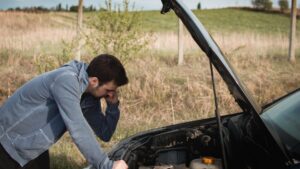
Subaru Ascent owners often experience problems that develop through repetition rather than a single obvious breakdown. These failures may involve drivability changes, warning alerts, or system behavior that improves briefly after dealership repairs but returns during routine use. Because the Ascent is relied on for consistent transportation, repeated malfunctions can quickly disrupt daily schedules and long term confidence in the vehicle. When these failures continue resurfacing, they often point to unresolved warranty defects rather than isolated repair issues.
California Lemon Law evaluates these situations by examining patterns across the full repair history instead of focusing on individual visits. Mechanical failures, powertrain inconsistencies, and electrical system instability can qualify when they continue returning after authorized service attempts. Subaru Ascent lemon law lawyers review how these issues affected reliability, time out of service, and overall vehicle performance. Identifying these recurring failures early helps ensure the repair record accurately reflects the true scope of the problem.
Powertrain and Drivability Problems That Undermine Consistent Operation
Powertrain and drivability issues in the Subaru Ascent often appear as hesitation, uneven acceleration, or unpredictable response during normal driving. These problems may be difficult to reproduce during short diagnostic checks, leading to repairs that do not address the underlying cause. Over time, symptoms may become more noticeable during highway driving, climbing, or stop and go traffic. When these issues persist after repairs, they often indicate unresolved mechanical or control system defects.
Hesitation and Inconsistent Acceleration Complaints
Some Ascent owners report delayed throttle response or fluctuating power when accelerating. These behaviors reduce predictability and make the vehicle feel unreliable in everyday traffic. When hesitation continues returning after multiple repairs, it suggests the defect was never fully corrected.
How Repeated Acceleration Issues Support Lemon Law Review
Documented hesitation across several service visits shows that the manufacturer had repeated opportunities to resolve the same drivability problem. When those attempts fail to restore consistent operation, the repair history supports evaluation under California Lemon Law.
Transmission Shifting and Engagement Irregularities
Transmission related failures may include rough gear changes, delayed engagement from a stop, or inconsistent shifting under moderate load. These issues interrupt smooth operation and can increase driver concern, especially in a family oriented vehicle. When transmission complaints return after service, they often point to deeper mechanical or calibration related defects.
Why Ongoing Transmission Problems Affect Reliability
Persistent shifting issues interfere with normal operation and long term dependability. These disruptions often carry significant weight in lemon law analysis.
Electrical System Failures That Affect Daily Use and Safety
Electrical failures in the Subaru Ascent frequently involve warning lights, sensor malfunctions, or electronic systems behaving unpredictably. These problems may reset temporarily after diagnostics or software updates, only to return during routine driving. Because the Ascent relies on integrated electronics for safety, driver assistance, and vehicle management, repeated failures can be especially concerning. Persistent electrical instability often reflects unresolved communication or control module issues.
Warning Lights and Sensor Related Errors
Owners may notice dashboard warnings illuminating intermittently without clear explanation. These alerts often disappear after service but return later under similar conditions. Repeated warning lights suggest unresolved sensor faults or system communication problems.
How Warning Light Patterns Establish Defect History
When the same warning indicators reappear across multiple repair visits, they create a documented timeline showing the defect was never corrected. This recurring evidence strengthens lemon law evaluation.
Infotainment and Control System Malfunctions
Infotainment screens may freeze, reboot, or lose functionality, affecting navigation, climate controls, and connected features. These malfunctions can reappear shortly after updates or component replacements. When control systems remain unreliable, they contribute to an ongoing electrical defect pattern.
Why Persistent Control System Issues Matter Legally
Modern vehicle operation depends heavily on integrated electronic controls. Continued failures indicate the system is not functioning as warranted, which can support lemon law eligibility when repairs do not deliver lasting results.
How California Lemon Law Applies to Ongoing Subaru Ascent Problems
California Lemon Law applies when a Subaru Ascent continues experiencing warranty covered problems that do not stay resolved after reasonable repair opportunities. The law does not require a complete breakdown or a fixed number of repair visits, but instead focuses on whether defects persist and meaningfully interfere with normal use, reliability, or value. Problems that repeatedly return under similar driving conditions, remain unresolved after service, or force frequent dealership visits often meet this standard. This framework reflects how ongoing defects affect real ownership rather than relying on narrow technical thresholds.
For Subaru Ascent owners, recurring mechanical or electrical issues may qualify even when the vehicle remains drivable. California Lemon Law evaluates the full repair history, including how repairs were attempted and whether they produced lasting results. Subaru Ascent lemon law lawyers apply these standards by aligning service records, timelines, and outcomes with statutory requirements. This analysis helps determine whether the manufacturer failed to meet its warranty obligations despite repeated chances to correct the problem.
How the Law Evaluates Reasonable Repair Opportunities
Reasonable repair opportunities are evaluated based on the nature of the defect and how significantly it interferes with everyday driving and vehicle reliability. Some problems qualify after fewer attempts because they affect drivability or safety, while others emerge gradually through repeated disruptions that only become clear over time. California Lemon Law focuses on whether the manufacturer had a fair chance to diagnose and fix the defect under warranty conditions. This approach prevents ineffective repairs from delaying accountability.
Treating Related Repair Visits as One Ongoing Defect
Multiple service visits for similar symptoms are often treated as repair attempts for the same underlying issue. Even when dealerships describe complaints differently, the law looks at whether the same problem continued returning. This treatment reflects how mechanical and electrical defects evolve rather than appearing identically each time.
Why Related Repairs Are Grouped Together Under the Law
Grouping related repairs prevents manufacturers from avoiding responsibility by re-labeling the same defect at each visit. When records show recurring symptoms tied to the same system or behavior, the law recognizes this as a single unresolved defect that the manufacturer failed to correct.
Evaluating Repairs That Do Not Produce Lasting Results
Repairs that appear successful briefly but fail during normal driving do not satisfy warranty obligations. When a problem returns after everyday use, the law treats the defect as ongoing rather than resolved. Temporary improvement is not considered meaningful correction.
How Ineffective Repairs Strengthen Lemon Law Eligibility
Repeated repair attempts that fail to restore consistent operation demonstrate that warranty duties were not met. This pattern shows that the manufacturer had multiple opportunities to fix the issue and failed to deliver a lasting solution.
How Reliability and Value Are Measured
California Lemon Law evaluates how ongoing problems affect the practical ownership experience rather than requiring catastrophic failure. A Subaru Ascent that cannot be relied on consistently loses practical value even if it still operates. These impacts matter because they change how the vehicle can be used day to day. The law recognizes that reliability includes predictability and confidence, not just basic function.
Assessing Loss of Reliability During Normal Use
Unpredictable behavior can force owners to alter driving habits, avoid certain routes, or limit how the vehicle is used. These adjustments indicate diminished reliability and confidence. California Lemon Law treats this loss as a meaningful impairment.
Why Reliability Loss Carries Legal Weight
When a vehicle cannot be trusted for routine driving, it fails to meet warranty expectations. This failure directly supports lemon law qualification because dependable operation is a core promise of the warranty.
Evaluating Long Term Impact on Vehicle Value
Recurring defects can reduce resale appeal and buyer confidence, especially when service records show unresolved issues. Dealers and buyers often view repeated repairs as indicators of future problems. This reduction in market confidence affects long term value.
How Value Loss Is Considered Under the Law
Documented repair histories showing persistent defects help demonstrate diminished value tied directly to the ongoing problem. This financial impact supports qualification under California Lemon Law.
What Subaru Ascent Lemon Law Lawyers Do to Protect Owners’ Rights
Subaru Ascent lemon law lawyers focus on enforcing manufacturer accountability when repeated warranty repairs fail to resolve ongoing problems. Owners are often told that continued service visits are normal or that issues are operating as designed, even when defects keep returning. Lemon law lawyers step in to apply California Lemon Law standards to the actual repair outcomes rather than dealership explanations. This shifts the focus from promises and attempts to whether the vehicle was ever restored to reliable operation.
Protecting owners’ rights also means preventing manufacturers from controlling the narrative through technical language or fragmented repair records. Subaru Ascent lemon law lawyers organize documentation, identify qualifying defect patterns, and ensure that warranty obligations are measured correctly. This process gives owners leverage when informal repair efforts no longer lead to results. Legal protection begins once the repair history is framed accurately under the law.
Translating Repair Histories Into Enforceable Legal Claims
Repair histories often contain the evidence needed to protect an owner’s rights, but that evidence must be interpreted correctly. Subaru Ascent lemon law lawyers review service records to determine whether repairs actually corrected the defect or merely delayed its return. This legal translation turns repeated frustration into enforceable claims. Without this step, warranty rights are easily diluted.
Identifying Where Warranty Compliance Failed
Lawyers analyze each repair attempt to see whether it resolved the underlying problem or only addressed symptoms temporarily. Patterns where issues improve briefly and then return under normal driving conditions are highlighted. These breakdowns form the basis of enforcing warranty rights.
Why Failure Points Matter in Lemon Law Claims
Showing exactly where repairs failed demonstrates that the manufacturer did not meet its warranty obligations. This clarity allows owners’ rights to be enforced based on results rather than effort.
Reframing Technical Repair Language Under the Law
Dealership service notes often use technical wording that minimizes ongoing problems. Subaru Ascent lemon law lawyers reinterpret this language using legal standards instead of manufacturer terminology. This reframing ensures defects are evaluated accurately.
How Legal Interpretation Prevents Rights From Being Undermined
Legal interpretation prevents vague or inconsistent repair descriptions from weakening a claim. Owners’ rights remain protected when documentation is evaluated through the proper legal lens.
Managing Manufacturer Interaction to Prevent Delay
Manufacturers often rely on prolonged communication, repeated requests, or shifting explanations to slow down claims. Subaru Ascent lemon law lawyers manage all interaction to keep the process controlled and focused. This protects owners from being pressured into accepting inadequate outcomes. Consistent legal handling changes how manufacturers respond.
Taking Control of All Manufacturer Communication
All correspondence with the manufacturer is handled directly by the legal team. This ensures accuracy, consistency, and strategic alignment throughout the claim. Owners are not required to engage in technical disputes.
Why Centralized Communication Protects Owner Rights
Centralized communication prevents manufacturers from exploiting informal statements or inconsistencies. This structure keeps the focus on documented warranty failures.
Presenting Claims in a Way That Demands Accountability
Claims are submitted with organized timelines, defect summaries, and legal arguments that require meaningful response. Subaru Ascent lemon law lawyers structure submissions to limit dismissal or delay. This presentation forces engagement.
How Structured Claims Strengthen Legal Protection
Clear and complete presentation reduces ambiguity and removes common avoidance tactics. Manufacturers are more likely to respond when accountability is unavoidable.
What Sets America’s Lemon Lawyer Apart in Subaru Ascent Lemon Law Cases

Subaru Ascent lemon law cases often involve complex defect histories that manufacturers attempt to minimize through technical explanations, repeated repair attempts, or claims that issues are operating as designed. America’s Lemon Lawyer approaches these cases with a focus on accountability rather than accommodation, ensuring that warranty obligations are measured by results instead of intent. The firm evaluates how defects actually affected everyday reliability, passenger safety, and long term vehicle value. This perspective allows Ascent owners to move beyond endless repairs and toward meaningful resolution.
America’s Lemon Lawyer also stands apart by taking full control of the legal process from the outset. Rather than asking owners to manage documentation, dealership communication, or manufacturer follow ups, the firm handles each stage with structure and precision. Subaru Ascent owners benefit from a process that prioritizes clarity, consistency, and legal leverage. This approach reduces stress while strengthening the position of the claim.
A Case Building Process Designed Around Real World Ascent Defects
America’s Lemon Lawyer builds Subaru Ascent cases by focusing on how defects developed and persisted during real use, not how they were described in isolation on repair orders. This method ensures that repeated drivability problems, system failures, or warning alerts are evaluated as ongoing warranty failures rather than unrelated incidents. Each case is framed to reflect the true ownership experience. This foundation is critical when manufacturers attempt to fragment the repair history.
Analyzing Defect Patterns Across the Entire Repair Timeline
Repair records are reviewed collectively to identify recurring symptoms, repeated system failures, and unresolved complaints that span multiple service visits. Even when dealerships use different wording or attempt different fixes, America’s Lemon Lawyer looks for continuity in how the vehicle behaves. This pattern based analysis prevents manufacturers from redefining the problem at each visit.
Why Pattern Analysis Changes the Strength of Ascent Claims
Showing a consistent defect pattern demonstrates that the issue was never corrected despite multiple repair attempts. This continuity establishes that the manufacturer failed to meet warranty obligations and strengthens the legal position significantly.
Separating Temporary Improvement From True Resolution
Dealership repairs may produce brief improvement that fades after normal driving resumes. America’s Lemon Lawyer evaluates how long repairs held and whether performance, reliability, or system behavior remained stable. Temporary relief is not treated as success.
How Temporary Fixes Expose Warranty Failure
When defects return after short lived improvement, it shows that repairs addressed symptoms rather than root causes. This history supports enforcement of lemon law protections.
Manufacturer Accountability Through Strategic Communication
America’s Lemon Lawyer sets itself apart by controlling how and when manufacturers are engaged. Rather than allowing open ended back and forth or inconsistent messaging, all communication is handled through a structured legal framework. This control prevents delay tactics and narrative shifts. Subaru Ascent owners are protected from being pressured or misled.
Centralized Handling of All Manufacturer Correspondence
All communication with the manufacturer is managed by the legal team to ensure accuracy and consistency. Documentation is presented in a unified manner that aligns with the legal strategy. Owners are not required to respond to technical inquiries or justification requests.
Why Centralized Communication Protects Ascent Owners
When communication flows through a single legal channel, manufacturers have fewer opportunities to deflect responsibility. This structure keeps the focus on documented warranty failures rather than explanations.
A Client Focused Approach That Reduces Stress
Subaru Ascent owners often seek legal help after months of frustration and uncertainty. America’s Lemon Lawyer designs its process to remove that burden by handling every procedural step internally. Owners remain informed without being overwhelmed by details. This balance allows cases to progress efficiently.
Clear Guidance at Every Stage of the Claim
The firm explains what to expect, how decisions are made, and what outcomes may be available. This transparency helps owners feel confident throughout the process. Clear guidance replaces uncertainty.
Why Communication Builds Trust During the Claim
Understanding the process reduces anxiety and second guessing. Informed owners are better positioned to make decisions with confidence.
How America’s Lemon Lawyer is Here to Help You Get the Compensation You Deserve
Ongoing problems in a Subaru Ascent can turn into long term ownership issues when repeated dealership visits fail to produce real solutions. Each additional repair attempt often adds mileage, extends inconvenience, and leaves owners questioning whether the vehicle can be relied on moving forward. Subaru Ascent lemon law lawyers help step in at this stage by evaluating if the repair history shows a pattern of unresolved defects under California Lemon Law. This review provides a clearer understanding of where you stand before further time is lost.
America’s Lemon Lawyer handles Subaru Ascent claims with a focus on resolving the situation rather than delaying it. From organizing service records to confronting manufacturers, the law firm manages the legal process so owners are not left navigating it alone. If your Ascent continues experiencing the same problems, call America’s Lemon Lawyer at (818)421-2327 or visit our contact page to discuss whether a buyback, replacement, or other form of relief may now be available.