
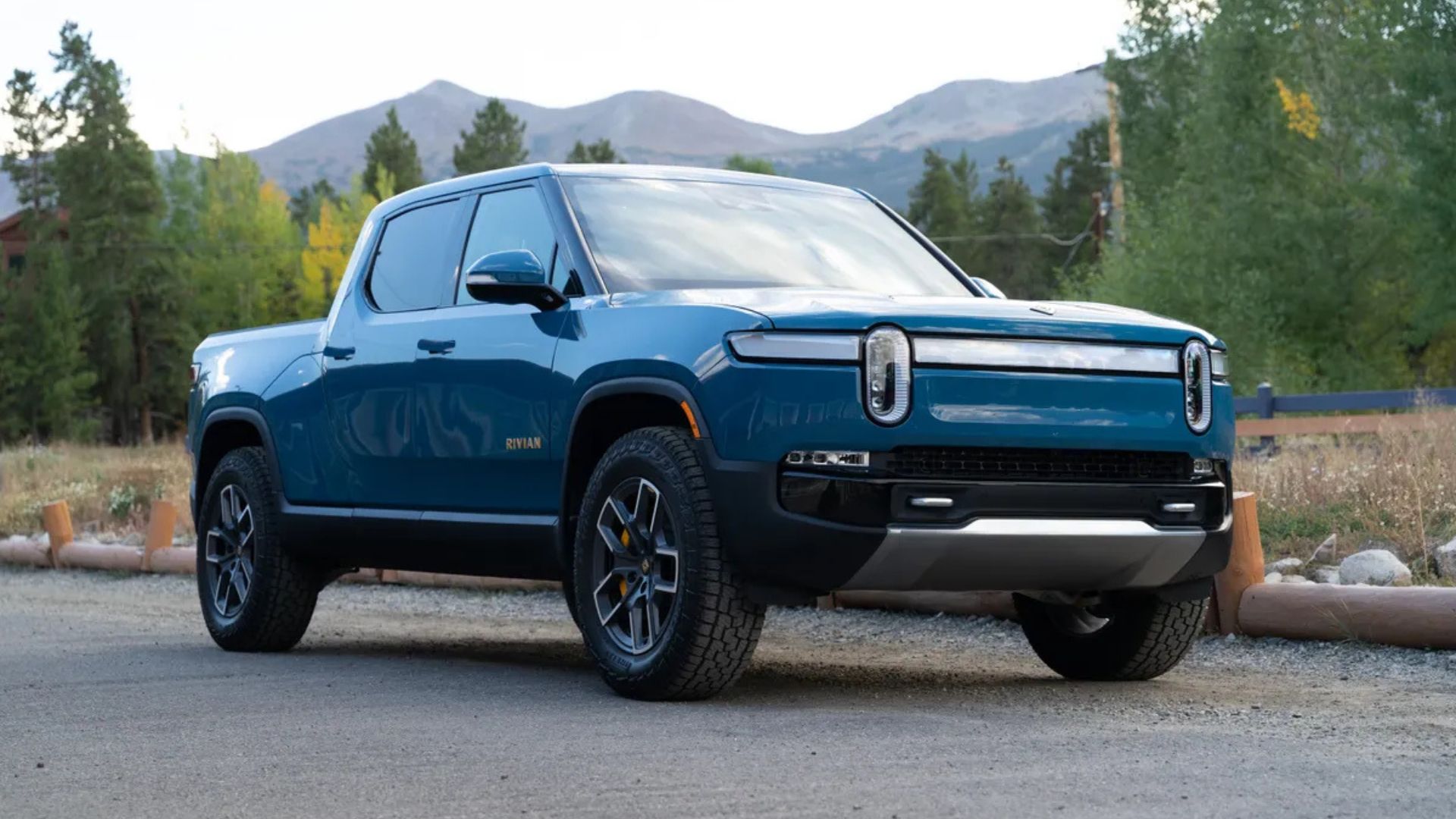
Rivian R1T Lemon Law Lawyer
California Rivian R1T owners expect advanced technology, strong electric performance, and dependable engineering when they invest in a premium EV. When the R1T begins to develop repeated electrical failures, battery problems, acceleration issues, software glitches, or charging instability, the ownership experience becomes stressful and unpredictable. These recurring issues often disrupt daily driving, reduce confidence in the vehicle, and raise serious safety concerns on California roads. When Rivian dealerships cannot identify or repair the root cause of these problems, many drivers begin to wonder whether their R1T qualifies for protection under California Lemon Law.
California offers some of the strongest consumer warranty protections in the country. Under these laws, Rivian must repair substantial defects within a reasonable number of attempts. But when the same malfunction keeps returning, the law recognizes that the manufacturer failed to provide a permanent fix. Rivian R1T defects frequently involve complex electric systems, high-voltage components, software-driven features, and advanced powertrain technology that require precise diagnostic work. When a dealership performs temporary resets or partial repairs that do not resolve the underlying defect, you may already qualify for a buyback, replacement, or settlement.
If your Rivian R1T continues to malfunction despite multiple dealership repairs, you do not need to navigate the process alone. America’s Lemon Lawyer represents Rivian owners across California who face repeated mechanical, electrical, or software-based failures. Our attorneys review repair records, identify recurring defect patterns, and explain how California Lemon Law applies to your vehicle. You can speak with a California Rivian R1T Lemon Law Lawyer today by contacting America’s Lemon Lawyer at (877) 536-6620 for your free case review.
California Rivian R1T Lemon Law Attorneys Helping Drivers With Repeated EV Defects
California Rivian R1T owners often face recurring issues that return shortly after dealership repairs. When these defects disrupt driving safety, reduce vehicle reliability, or cause repeated downtime, many drivers turn to experienced California Rivian R1T Lemon Law attorneys for help. America’s Lemon Lawyer assists owners across the state by reviewing repair histories, identifying defect patterns, and determining whether the vehicle qualifies for compensation under California Lemon Law. Our legal team focuses exclusively on Lemon Law, giving Rivian drivers the advantage of attorneys who understand EV technology, diagnostic challenges, and the repair inconsistencies that frequently affect R1T trucks.
Rivian’s advanced electric systems require precise troubleshooting, and dealership service centers often rely on temporary software resets, incomplete diagnostics, or patch-based updates that fail to correct deeper problems. When these recurring symptoms continue to reappear, it becomes clear that the manufacturer did not resolve the defect within a reasonable number of attempts. Our attorneys step in to evaluate these patterns, document repair failures, and build a strong case that shows Rivian did not meet its warranty obligations. California law allows R1T owners to pursue a buyback, replacement, or cash settlement when the manufacturer fails to provide a permanent repair solution.
How Our California Rivian R1T Lawyers Evaluate Repeated Mechanical And Electrical Failures
Our attorneys begin by reviewing every repair order, service invoice, diagnostic code, and technician note provided by the dealership. Rivian R1T issues often involve multiple systems at once, including battery control modules, software interfaces, high voltage components, electrical pathways, and performance-related systems. When repair attempts do not permanently resolve these issues, the evidence may show that Rivian failed to correct a substantial defect under California warranty law. By evaluating the vehicle’s full repair timeline, our legal team determines whether the R1T meets the criteria for Lemon Law protection.
California law emphasizes the manufacturer’s responsibility to diagnose and repair defects effectively. If the dealership misdiagnoses the problem or provides fixes that fail within days or weeks, the repair record becomes strong evidence that the defect persisted. This pattern is especially common with EV vehicles like the R1T due to the complexity of software-driven systems. Our attorneys examine how often the same issues reappear, how long the vehicle spent in the shop, and whether the repairs addressed symptoms rather than the root cause. These details help establish the foundation of a strong Lemon Law claim.
How Returning R1T Defects Show That The Manufacturer Failed To Provide A Permanent Repair
Recurring defects indicate that Rivian did not resolve the underlying failure within a reasonable number of repair attempts. California Lemon Law requires a permanent repair solution, not short-term improvements. When symptoms reappear after temporary fixes, the vehicle may legally qualify as a lemon. Our attorneys use the recurrence of these issues to demonstrate manufacturer failure and strengthen your claim for compensation.
How Documented Recurring Symptoms Strengthen A California Lemon Law Case
Documentation is one of the strongest forms of proof in a Lemon Law case. Each repair order showing the same issue strengthens the argument that the defect is substantial and ongoing. When your repair records clearly show repeated service visits for identical or closely related symptoms, the law recognizes that the manufacturer had multiple opportunities to correct the problem and did not succeed.
How Our Attorneys Review Service Delays And Misdiagnosis Patterns In Rivian R1T Repairs
Service centers sometimes fail to replicate symptoms, provide incomplete diagnostics, or rely on temporary resets that do not address deeper system failures. Misdiagnosis is common in EV cases because defects may be intermittent or involve connected modules. Our attorneys review these repair patterns carefully to determine whether the dealership handled the diagnosis properly or overlooked signs of deeper problems.
How Inconsistent Dealership Explanations Impact Your Legal Rights
When dealership explanations change from visit to visit, it becomes harder for Rivian to argue that the defect was minor or unrelated. Inconsistent descriptions and unclear technician notes often show that the dealership struggled to identify the root cause. This inconsistency supports your claim by demonstrating that Rivian did not meet its obligation to provide accurate diagnosis and effective repairs.
How Our Rivian R1T Lemon Law Attorneys Protect Your California Warranty Rights
Our attorneys help Rivian R1T owners understand how California warranty protections apply to recurring vehicle defects. The law requires Rivian to repair any defect that affects safety, reliability, value, or everyday usability. When repairs fail repeatedly, the owner may qualify for a buyback, replacement, or settlement. We help owners determine whether their repair history meets the legal standard and explain each step of the Lemon Law process.
California’s Lemon Law protects new, leased, and used Rivian R1T trucks as long as the defect first appeared under warranty. Even if the warranty has expired, owners may still qualify for compensation if the initial repair occurred during the warranty period. Our attorneys evaluate these timelines, repair attempts, and dealership behavior to determine whether Rivian failed to meet its obligations under state law.
How We Determine Whether Your R1T Qualifies As Having A Substantial Defect Under State Law
A substantial defect is any malfunction that affects vehicle safety, performance, reliability, or market value. Rivian R1T issues involving acceleration problems, battery failures, electrical instability, software crashes, or charging system errors often qualify as substantial because they interfere with everyday use. Our attorneys determine whether your defect meets this standard and whether Rivian had a reasonable number of opportunities to fix it.
How Safety-Related Failures Improve Eligibility For Compensation
Safety defects require fewer repair attempts under California law because they create immediate risk for drivers and passengers. When the R1T experiences sudden power loss, braking inconsistencies, electrical failures, or charging problems that affect safe operation, the law may classify the defect as substantial more quickly.
How Our Lawyers Use The Song Beverly Consumer Warranty Act To Support Your Claim
The Song-Beverly Consumer Warranty Act forms the foundation of California Lemon Law. It requires manufacturers to repair defects or offer compensation when repairs are unsuccessful. Our attorneys use this statute to demonstrate Rivian’s legal obligations and show how recurring defects meet the criteria for buyback or replacement.
How California Law Requires Rivian To Provide A Permanent Resolution
Under California law, Rivian must provide a lasting fix, not repeated temporary solutions. When repairs repeatedly fail, the manufacturer is legally responsible for compensating the owner through a buyback, replacement, or financial settlement. Our attorneys hold Rivian accountable when the company fails to meet these requirements.
Rivian R1T Lemon Law Lawyers Handling Electrical Software And Infotainment Defects
Rivian R1T’s electrical and software systems are central to the truck’s performance, safety features, and everyday functionality. When these systems malfunction repeatedly, owners often experience unpredictable driving behavior, warning light errors, frozen displays, charging interruptions, and loss of essential vehicle functions. Because the R1T relies heavily on interconnected software modules, a single fault can trigger widespread failures across multiple components. When dealerships are unable to correct these issues after several repair attempts, the law may classify the vehicle as defective under California Lemon Law. America’s Lemon Lawyer assists Rivian drivers statewide by analyzing repair histories, identifying recurring electrical and software defect patterns, and determining whether the manufacturer failed to provide a permanent fix.
Our attorneys handle complex EV defect claims involving module communication failures, malfunctioning sensors, touchscreen instability, high voltage system errors, and recurring charging system disruptions. Dealerships often rely on software patches or resets to temporarily clear error messages, but these short-term fixes rarely resolve deeper system-level issues. When electrical or software defects return after temporary repairs, the repair history becomes powerful evidence that Rivian did not meet its warranty obligations. Our legal team helps R1T owners use this documentation to pursue compensation through a buyback, replacement, or cash settlement.
How Our Attorneys Investigate Rivian R1T Electrical Malfunctions And Warning Light Errors
Rivian R1T electrical problems frequently involve recurring warning lights, malfunctioning sensors, and intermittent failures of essential systems. These issues often return even after Rivian service centers perform resets, module replacements, or software updates. Our attorneys review every repair order to determine whether the dealership addressed the underlying cause or simply attempted temporary fixes. When electrical malfunctions continue to reappear, this indicates a system-level defect that the manufacturer failed to correct.
Electrical instability poses immediate safety risks because many R1T features depend on accurate module communication. If the truck displays warning lights for the battery system, regenerative braking, stability control, or the high voltage system, the driver may experience unpredictable performance or loss of essential safety functions. When dealerships acknowledge the issue but cannot repair it successfully, the vehicle may qualify for Lemon Law protection.
How Returning Electrical Failures Show A System-Level Defect
Recurring electrical failures are strong indicators that Rivian’s service attempts did not resolve the underlying malfunction. Whether the issue appears as a sudden loss of infotainment, repeated system shutdowns, flickering interior lighting, or random warning alerts, electrical defects often point to a deeper communication or software failure. California law requires Rivian to provide lasting repairs, and recurring electrical problems show that this responsibility was not fulfilled.
How Repeated Error Messages Increase The Strength Of Your Claim
When your R1T repeatedly shows the same error messages, each repair order becomes evidence of a recurring defect. These messages help demonstrate that Rivian was aware of the problem but failed to resolve it. Repetitive warnings create a clear pattern that strengthens your case and helps our attorneys prove that the defects substantially impair the vehicle’s safety, reliability, and value.
How Infotainment Freezes, And Display Failures Affect Daily Safety And Reliability
The Rivian R1T infotainment system controls climate settings, navigation, charging details, drive modes, and essential safety information. When the display freezes, crashes, restarts unexpectedly, or loses functionality, the driver may be unable to control or monitor key vehicle features. These failures often return after temporary reset attempts at the dealership, demonstrating that the underlying defect was not properly addressed.
How Our Lawyers Prove That Temporary Software Fixes Are Not Sufficient
Dealerships frequently rely on software resets or patches to temporarily resolve display issues, but these solutions rarely address the root cause. When the problem returns quickly after service, our attorneys use the repair history to show that Rivian failed to provide a permanent solution, strengthening the claim for buyback or replacement under California Lemon Law.
How Our Legal Team Analyzes Rivian R1T Software Glitches And Driving Mode Failures
Software instability is one of the most common issues reported by Rivian R1T owners. Problems may include failed updates, inconsistent drive mode settings, inaccurate sensor communication, or system crashes affecting performance and handling. These defects often appear intermittently, making them difficult for dealerships to diagnose. However, intermittent conditions do not prevent eligibility for Lemon Law protection. When defects return repeatedly, they demonstrate that Rivian did not repair the vehicle within a reasonable number of attempts.
Our attorneys examine how each software failure affected the driving experience, how often the issue returned after service, and whether dealership actions corrected the malfunction. We also evaluate whether over-the-air updates caused new issues or made existing problems worse, which commonly occurs when updates are incompatible with underlying module failures.
How Unresolved Software Problems Indicate Deeper Mechanical Or Electrical Issues
Software problems often reflect underlying hardware defects in modules, wiring harnesses, sensors, or battery management components. Even if the dealership attempts software-based resets, the malfunction will continue to return until the deeper hardware problem is repaired. This recurring pattern supports your Lemon Law case because it shows Rivian lacked the ability to fix the defect.
How Over-the-Air Updates Often Fail To Repair Root Causes
Rivian frequently sends over-the-air updates intended to improve performance or address known issues. However, updates do not resolve mechanical or electrical failures. When an update temporarily reduces symptoms but the issue returns, this strengthens the claim that Rivian did not provide a permanent repair solution.
How Charging Errors And Communication Failures Interfere With EV Usability
Charging system instability is a serious issue for Rivian R1T owners. Problems may include failed charging sessions, slow charging speeds, unexpected interruptions, or high voltage system warnings during charging. These failures can prevent owners from completing trips, disrupt daily routines, and create safety concerns when charging in public locations. When repeated dealership attempts do not correct these issues, the R1T may qualify as a lemon.
How Recurring Charging Problems Support A California Lemon Law Claim
Charging system malfunctions significantly impair the vehicle’s usability, especially for EV owners who rely on consistent charging performance. When the same charging problems reappear after dealership repairs, the repair history becomes strong evidence of manufacturer failure. Our attorneys use this documentation to demonstrate eligibility for buyback, replacement, or settlement.
Rivian R1T Lemon Law Attorneys Experienced With EV Powertrain And Battery Defects
Powertrain and battery-related defects are among the most serious issues Rivian R1T owners face in California. These problems affect acceleration, torque delivery, charging consistency, regenerative braking behavior, and overall vehicle safety. Because the R1T relies on a complex network of electric motors, inverters, high voltage components, battery management systems, and software-controlled performance modules, even a single failure can trigger widespread instability across the vehicle. When Rivian dealerships are unable to provide lasting repairs, the repeated malfunctions often qualify the R1T for protection under California Lemon Law.
America’s Lemon Lawyer assists Rivian owners statewide by reviewing repair records, identifying defect patterns, and evaluating whether the manufacturer failed to correct substantial performance issues. Our attorneys analyze how power loss, acceleration failures, battery drain, charging port malfunctions, and high voltage system warnings impact daily usability. If the dealership repeatedly applies temporary fixes or resets without permanently resolving the defect, the repair timeline may already meet the legal standard for compensation. Our legal team builds a clear and compelling case that demonstrates Rivian did not fulfill its warranty obligations.
How Our Lawyers Review Acceleration Problems And R1T Power Loss Issues
Acceleration problems are one of the most common complaints among Rivian R1T owners. Drivers often report slow throttle response, sudden drops in power, hesitation during passing maneuvers, or inconsistent torque delivery. These symptoms may occur randomly or worsen over time, creating dangerous driving conditions on highways, steep grades, and busy California roadways. When dealerships attempt software resets, recalibrations, or motor-related repairs that fail to resolve the issue, the recurring symptoms show that Rivian has not provided a permanent repair.
Our attorneys review each repair visit to determine whether the dealer properly diagnosed the problem or simply provided temporary solutions. Power loss or delayed acceleration can stem from motor communication failures, inverter malfunctions, battery management issues, or software instability. If the same symptoms continue to reappear after multiple repair attempts, this pattern becomes strong evidence that the manufacturer failed to correct a substantial defect that affects safety and reliability.
How Delayed Throttle Response Creates Safety Risks For California Drivers
Delayed throttle response can create immediate dangers during merging, lane changes, and freeway acceleration. When an R1T hesitates or fails to deliver expected power, drivers may be unable to react quickly in fast-moving traffic. California Lemon Law recognizes these safety-related failures as substantial defects because they interfere with safe operation. Recurring acceleration problems are often enough to qualify the owner for compensation.
How Recurring Acceleration Issues Show A Defect That Qualifies For Compensation
If dealerships repeatedly attempt to fix the same acceleration issue and the defect continues to return, this shows that Rivian did not meet its warranty duties. Each repair order documenting the same problem builds a stronger case that the vehicle qualifies as a lemon. Our attorneys use this pattern to establish eligibility for buyback, replacement, or settlement.
How Motor Malfunctions And Inverter Failures Return After Temporary Repairs
Motor-related issues in the Rivian R1T sometimes involve unexpected power surges, inconsistent torque distribution, or sudden loss of acceleration. Inverter problems may cause irregular motor output, strange vibration under load, or flickering warnings related to the high voltage system. Dealerships may attempt recalibrations, module resets, or partial component replacements, but when these repairs fail and the symptoms return, the repair history demonstrates persistent mechanical and electronic instability.
How Repeated Powertrain Failures Affect Case Eligibility
Repeated powertrain failures significantly impair the vehicle’s use, value, and safety. California Lemon Law allows claims based on recurring performance issues, even if the symptoms are intermittent. When motor or inverter problems come back after multiple repairs, they provide compelling evidence that the defect is substantial and ongoing.
How Our Attorneys Handle Rivian R1T Battery Problems And Charging System Instability
The Rivian R1T battery system is one of the most complex and essential components of the vehicle. When battery defects occur, they can cause rapid range loss, high voltage system warnings, inconsistent charging behavior, or complete charging failure. These problems often return after temporary software patches or charging port repairs. Battery instability can leave drivers stranded, disrupt daily routines, and reduce confidence in long-distance travel. When these issues remain unresolved, the R1T may qualify for Lemon Law protection.
Our attorneys analyze each instance of battery-related failure, including unsuccessful charging attempts, range fluctuations, voltage errors, or thermal system warnings. We evaluate whether the dealership properly addressed the problem or relied on temporary resets. If the issue reappears after service, the repair history strongly supports a Lemon Law claim.
How Rapid Battery Drain Disrupts Long-Distance Driving And Daily Commuting
Rapid battery drain prevents Rivian owners from using their vehicle as intended. Drivers may find that their range decreases unpredictably, forcing them to stop charging more frequently or avoid long trips entirely. Rapid drain can stem from thermal management problems, module communication failures, or software errors affecting battery calibration. When the problem returns after repairs, this recurring defect significantly affects daily usability and strengthens the case for compensation.
How Persistent Battery Problems Show Manufacturers’ Inability To Repair The Vehicle
When the dealership cannot provide a permanent fix for battery-related issues, this demonstrates that Rivian has not met its warranty responsibilities. Persistent battery malfunctions show that the vehicle contains a defect that substantially impairs its use or value. Under California law, recurring battery issues may independently qualify the R1T as a lemon.
How High Voltage System Errors And Charging Port Failures Affect Reliability
High voltage system alerts, charging interruptions, failed charging sessions, and charging port communication errors are common concerns for R1T owners. These issues may indicate deeper problems in the charging system or internal battery components. When high-voltage system warnings appear repeatedly after service attempts, the repair history shows that Rivian did not provide an effective solution.
How Documenting Charging Defects Strengthens A California Lemon Law Case
Charging-related defects create strong evidence for a Lemon Law claim because the inability to charge the vehicle directly affects its usability. Each failed charging session, charging interruption, or high voltage alert should be documented to strengthen the case. When our attorneys present this evidence, it becomes clear that the manufacturer failed to repair the defect despite multiple opportunities.
Speak With A California Rivian R1T Lemon Law Attorney At America’s Lemon Lawyer Today
If your Rivian R1T continues to experience repeated electrical failures, battery defects, charging system issues, acceleration problems, or software instability, you do not need to handle the situation alone. California Lemon Law protects drivers when manufacturers fail to repair substantial defects within a reasonable number of attempts. When your repair history shows recurring problems, extended downtime, or dealership attempts that fail to provide a permanent solution, you may already qualify for a buyback, replacement, or financial settlement. These protections apply to Rivian R1T trucks that developed issues under warranty, even if the warranty has since expired.
America’s Lemon Lawyer helps Rivian owners across California take action against manufacturers who fail to honor their warranty obligations. Our attorneys review your repair orders, identify recurring defect patterns, and determine whether your R1T meets the legal criteria for compensation. We handle every step of the process on your behalf, including documentation review, communication with Rivian, negotiation for the highest possible recovery, and guidance through the entire Lemon Law claim. With years of focused experience in California Lemon Law, our legal team understands the complexities of EV defects and how to build strong claims based on technical failures and repeated repair attempts.
You can speak with a California Rivian R1T Lemon Law Attorney today to learn whether your repair history qualifies for compensation. Contact America’s Lemon Lawyer using our contact page or by calling (877) 536-6620 to receive your free case review and take the first step toward resolving your defective vehicle issues with confidence.