
Rivian Electric Delivery Van Lemon Law Lawyers
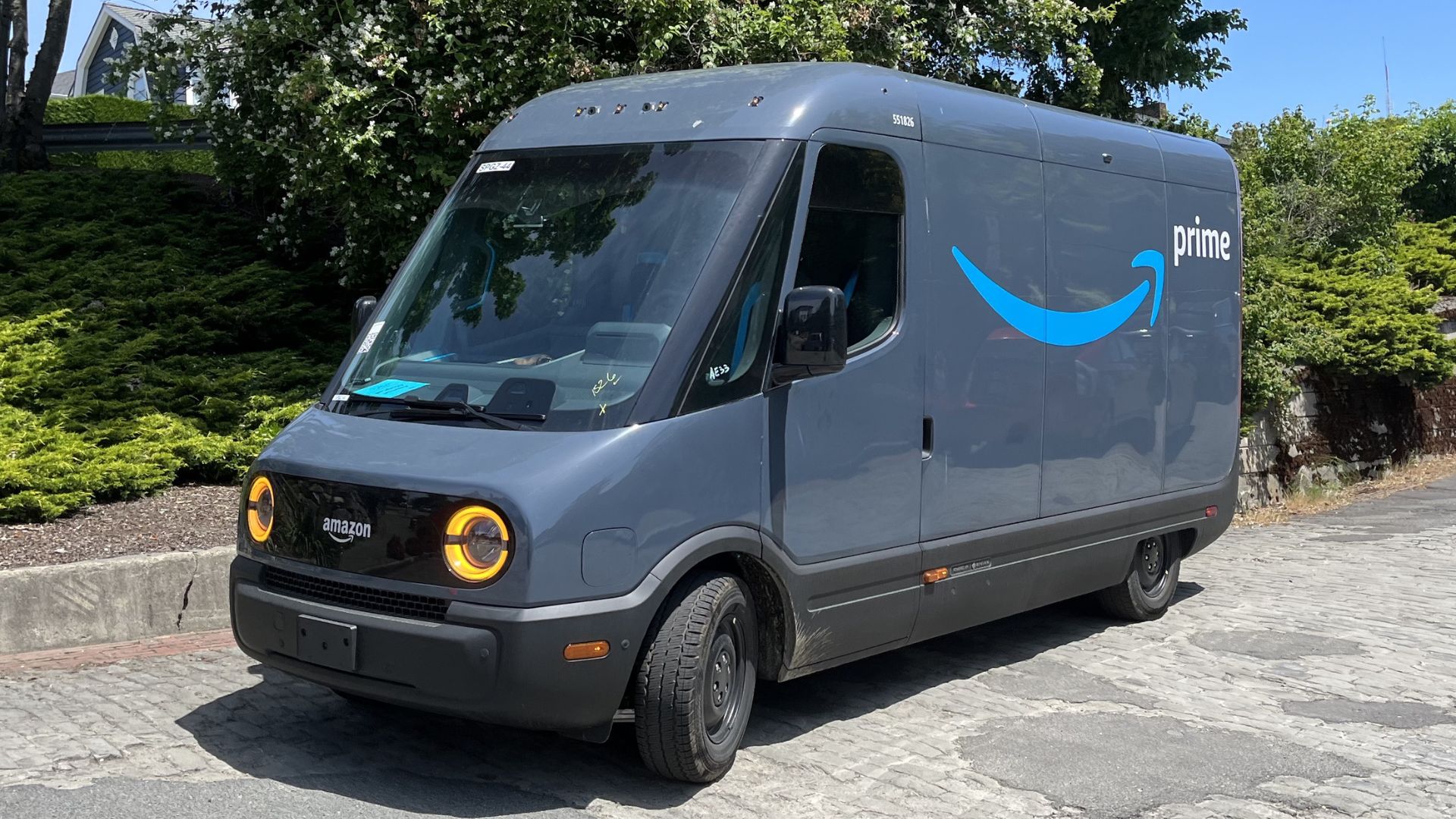
Rivian Electric Delivery Van owners across California rely on these commercial electric vehicles to support daily operations, meet delivery deadlines, and maintain consistent service for customers. When a Rivian Electric Delivery Van begins experiencing repeated battery failures, software malfunctions, powertrain issues, or charging interruptions, the impact extends far beyond inconvenience. Ongoing defects can interrupt routes, delay contracts, increase operational costs, and place drivers and businesses at risk. California Lemon Law exists to protect owners when a manufacturer cannot repair a substantial defect within a reasonable number of attempts, even for commercial and business use vehicles.
Many Rivian Electric Delivery Van owners initially expect that repeated service visits, software updates, or component replacements will resolve the problem. Instead, defects often return shortly after repairs, creating a cycle of downtime and uncertainty. Battery system instability, failed over-the-air updates, sudden power loss, and inconsistent charging performance are common issues reported by EDV owners. When these problems continue under warranty, California law may require the manufacturer to provide a buyback, replacement, or cash settlement. The California Department of Consumer Affairs explains that warranty laws protect consumers and qualifying business owners when vehicles fail to perform as promised despite multiple repair attempts.
America’s Lemon Lawyer represents Rivian Electric Delivery Van owners throughout California who are dealing with repeated defects that disrupt business operations and compromise safety. Our firm focuses exclusively on California Lemon Law and understands how commercial electric vehicle cases differ from standard passenger vehicle claims. We evaluate repair histories, document recurring failures, and pursue maximum compensation when Rivian cannot deliver a permanent fix. If your Rivian Electric Delivery Van continues to malfunction despite repeated dealership repairs, you can speak with an experienced California Lemon Law attorney today. Call (877) 536-6620 for a free consultation and learn how we can help you protect your rights and your business.
California Rivian Electric Delivery Van Owners Facing Repeated Vehicle Defects
Rivian Electric Delivery Van owners in California often purchase or lease these vehicles expecting reliability, efficiency, and long-term performance suitable for demanding commercial use. When defects begin to surface repeatedly, the consequences extend beyond frustration and inconvenience. Ongoing mechanical, electrical, and software-related problems can interrupt delivery routes, reduce productivity, and expose business owners to financial loss. America’s Lemon Lawyer helps California Rivian Electric Delivery Van owners understand how California Lemon Law protects them when a vehicle cannot be repaired within a reasonable number of attempts while under warranty, even when the vehicle is used primarily for business purposes.
Commercial electric vehicles such as the Rivian Electric Delivery Van are complex by design. When core systems fail repeatedly, owners are often left unsure whether to continue pursuing repairs or explore legal options. Understanding why these defects occur and how they affect daily operations is the first step toward determining whether Lemon Law relief may be available.
Why Rivian Electric Delivery Vans Are Experiencing Ongoing Mechanical And Software Problems
Rivian Electric Delivery Vans rely on tightly integrated systems that combine battery technology, electric drivetrains, advanced software, and onboard sensors. While this design supports efficiency and innovation, it also increases the likelihood that a single malfunction can trigger multiple system failures. When dealerships address symptoms instead of underlying causes, defects often return shortly after repairs.
Commercial use further intensifies these issues. Frequent charging cycles, extended daily mileage, and constant system demands place added stress on components that may already be prone to failure. Over time, unresolved defects can become more frequent and more disruptive.
How Commercial EV Design Increases Complexity And Failure Points
Electric delivery vans differ significantly from traditional gas-powered commercial vehicles. Nearly every function depends on software-controlled electrical systems, from power distribution to braking and climate control. When one module fails, it can affect several connected systems at once, making accurate diagnosis more difficult.
Dealerships often rely on software updates or system resets as a first response. While these measures may temporarily restore functionality, they frequently fail to correct deeper hardware or communication issues within the vehicle.
Why Integrated Battery And Software Systems Fail More Often In Fleet Vehicles
Fleet and delivery vehicles experience heavier and more consistent use than personal vehicles. Repeated fast charging, long operating hours, and continuous stop-and-go driving can accelerate wear on battery systems and supporting electronics. When software is unable to adapt to these conditions, errors and failures become more common. This pattern often leads to recurring service visits without lasting resolution.
How Delivery Route Demands Accelerate Wear And Defect Exposure
Delivery routes place unique demands on Rivian Electric Delivery Vans. Frequent starts and stops, heavy payloads, and extended operating hours can expose weaknesses in power management, braking systems, and drivetrain components. Defects that may not appear during light use often surface quickly under commercial conditions.
As these problems persist, owners may notice that repairs provide only short-term relief before the same issues reappear. This repetition is a key factor in many California Lemon Law claims.
How Repeated Repair Attempts Disrupt Business Operations And Delivery Schedules
Every service appointment represents lost time and lost revenue for delivery businesses. When a Rivian Electric Delivery Van is repeatedly taken out of service for the same defect, the cumulative impact can be substantial. Missed deliveries, delayed contracts, and the need for backup vehicles all add to operational strain.
California Lemon Law recognizes that repeated repair attempts and extended downtime can substantially impair a vehicle’s use and value. The California Department of Consumer Affairs outlines how warranty protections apply when a vehicle cannot be fixed despite multiple opportunities to do so, including for qualifying business owners.
Why Downtime Creates Financial Loss For Small Businesses And Fleet Operators
Downtime affects more than the cost of repairs. Businesses may need to rent replacement vehicles, pay overtime to meet delivery obligations, or risk damaging customer relationships. These indirect costs often exceed the price of the repair itself and continue to accumulate as defects persist.
For small businesses and fleet operators, even a single unreliable vehicle can disrupt carefully planned logistics and staffing. When downtime becomes routine, legal intervention may be necessary to protect the business.
How Out Of Service Time Impacts Contracts And Customer Commitments
Many delivery contracts depend on consistent performance and timely service. Repeated vehicle failures can lead to missed deadlines or reduced capacity, putting contracts at risk. Over time, this can affect reputation, renewals, and long-term growth. When a Rivian Electric Delivery Van cannot reliably support business needs due to unresolved defects, the California Lemon Law may provide a path toward financial relief and replacement.
America’s Lemon Lawyer helps California Rivian Electric Delivery Van owners evaluate how repeated defects and downtime affect their legal rights. By reviewing repair histories and operational impact, our firm works to hold manufacturers accountable when commercial electric vehicles fail to meet warranty obligations.
Rivian Electric Delivery Van Lemon Law Coverage Under California Warranty Law
California Rivian Electric Delivery Van owners often assume that Lemon Law protections apply only to personal vehicles. In reality, California warranty law extends important protections to qualifying commercial and business use vehicles, including electric delivery vans, when they are covered by a manufacturer’s warranty. When a Rivian Electric Delivery Van continues to experience repeated defects that the manufacturer cannot permanently repair, state law may require Rivian to provide compensation through a buyback, replacement, or cash settlement. Understanding how these protections apply is essential for owners who depend on their vehicles for daily operations.
Commercial electric vehicles introduce unique legal considerations because they are used more intensively and often generate documented downtime that directly affects business performance. California Lemon Law evaluates both the nature of the defect and the impact repeated repair attempts have on the vehicle’s usability, value, and safety.
How California Lemon Law Applies To Commercial And Business Use Vehicles
California Lemon Law does not exclude vehicles simply because they are used for business purposes. Small business owners and commercial operators may still qualify for protection when a Rivian Electric Delivery Van is purchased or leased with a manufacturer’s express warranty and continues to malfunction despite repeated repair attempts. The key consideration is whether the vehicle meets the legal definition of a lemon under state law.
California law focuses on the manufacturer’s failure to repair a substantial defect within a reasonable number of attempts. For Rivian Electric Delivery Van owners, this analysis often centers on recurring battery failures, software malfunctions, power loss, or charging issues that interfere with daily use.
When A Rivian Electric Delivery Van Qualifies As A Lemon In California
A Rivian Electric Delivery Van may qualify as a lemon when the same defect persists after multiple dealership repair attempts or when the vehicle is out of service for an extended period due to warranty repairs. The law does not require the owner to prove intent or negligence. Instead, it evaluates whether the manufacturer had sufficient opportunities to fix the problem and failed to deliver a lasting solution. Commercial owners often benefit from detailed service records and downtime logs that clearly show how frequently the vehicle was unavailable for use.
How The Reasonable Number Of Repair Attempts Standard Applies To EDVs
California Lemon Law does not set a fixed number of repair attempts for every situation. Instead, it considers the severity of the defect and how it affects vehicle operation. Safety-related issues may qualify after fewer attempts, while performance or reliability problems may require additional visits. For Rivian Electric Delivery Vans, repeated attempts to correct charging failures, power loss, or software crashes often satisfy this standard.
What Makes A Rivian Electric Delivery Van Defect Substantial Under State Law
Not every inconvenience qualifies as a Lemon Law defect. California law requires the defect to substantially impair the vehicle’s use, value, or safety. For commercial electric vehicles, this threshold is often met when defects interfere with route completion, vehicle availability, or safe operation during daily deliveries.
Rivian Electric Delivery Van owners frequently encounter defects that go beyond minor inconveniences, especially when systems essential to operation repeatedly fail.
Safety-Related Defects That Trigger Faster Lemon Law Eligibility
Safety-related defects receive heightened attention under California Lemon Law because they pose immediate risks to drivers and the public. Sudden loss of power, braking system failures, steering issues, or unexpected shutdowns during operation may qualify as substantial defects after fewer repair attempts.
How Power Loss And System Shutdowns Create Immediate Safety Risks
When a Rivian Electric Delivery Van loses power or shuts down unexpectedly, the driver may be left stranded in traffic or unable to safely complete a route. These events increase the risk of collisions and workplace injuries. Repeated occurrences strengthen Lemon Law claims because they demonstrate unresolved safety hazards.
Performance And Reliability Issues That Still Meet Legal Thresholds
Even when a defect is not immediately dangerous, recurring performance and reliability problems may still qualify under California law. Charging failures, reduced driving range, software malfunctions, and repeated warning alerts can substantially impair a vehicle’s usefulness for commercial purposes.
How Ongoing Reliability Problems Reduce Vehicle Value And Usability
A delivery van that cannot reliably complete routes or remain in service loses value for its owner. Ongoing defects reduce confidence in the vehicle and often require costly workarounds, such as rental vehicles or route reductions. When these issues persist under warranty, the California Lemon Law may provide a remedy.
America’s Lemon Lawyer helps Rivian Electric Delivery Van owners across California evaluate whether their vehicle’s defects meet the legal standard for Lemon Law protection. By examining repair histories, defect severity, and operational impact, our firm works to ensure manufacturers are held accountable when warranty obligations are not met.
How America’s Lemon Lawyer Handles Rivian Electric Delivery Van Lemon Law Cases
Rivian Electric Delivery Van Lemon Law cases require a focused legal approach that accounts for commercial use, advanced electric vehicle systems, and evolving manufacturer repair strategies. These cases are often more complex than standard passenger vehicle claims because they involve recurring software failures, battery issues, and operational downtime that directly affect business performance. America’s Lemon Lawyer concentrates exclusively on California Lemon Law and understands how to build strong claims for Rivian Electric Delivery Van owners facing repeated defects.
From the initial consultation through resolution, our firm works to relieve owners of the burden of dealing with the manufacturer while pursuing the maximum recovery allowed under California law.
Focused Representation For California Electric And Commercial Vehicles
America’s Lemon Lawyer represents Rivian Electric Delivery Van owners throughout California who depend on their vehicles for business operations. Commercial electric vehicles present unique challenges because manufacturers often attempt to minimize the impact of defects by labeling them as normal updates or usage-related issues. Our firm evaluates each case with a clear understanding of how electric delivery vans are used in real-world conditions. By focusing exclusively on Lemon Law, our attorneys stay current on changes in California warranty statutes and manufacturer defense tactics.
Why Exclusive Lemon Law Practice Matters In EV Cases
Electric vehicles involve technology that evolves rapidly. Manufacturers frequently release software updates that temporarily mask defects without resolving the root cause. Attorneys who do not focus on Lemon Law may overlook patterns that demonstrate repeated failure. A firm dedicated solely to Lemon Law understands how to identify recurring defects even when the manufacturer claims repairs were successful.
How Experience With Manufacturer Tactics Improves Outcomes
Manufacturers often argue that software updates constitute permanent repairs or that defects are normal for electric vehicles. Experience allows our firm to challenge these claims by pointing to repair histories, downtime records, and recurring symptoms that show the problem persists. This approach strengthens leverage in negotiations and litigation.
How Evidence Is Built Against Rivian In EDV Defect Claims
Building a successful Rivian Electric Delivery Van Lemon Law claim requires careful organization of evidence. America’s Lemon Lawyer gathers repair orders, service records, communication logs, and operational impact data to establish a clear timeline of recurring defects. We focus on demonstrating that Rivian had multiple opportunities to repair the vehicle and failed to provide a lasting solution.
Organizing Repair Histories And Technical Failures
Repair histories are analyzed to identify repeated complaints involving the same systems, even when the dealership describes them differently. Technical failures involving batteries, software, power delivery, and braking systems are grouped to show consistent malfunction patterns. This organization helps counter manufacturer arguments that each repair addressed a separate issue.
How Pattern Recognition Strengthens Lemon Law Claims
When defects follow a recognizable pattern, it becomes easier to prove that the problem is ongoing and substantial. Pattern recognition shows that repairs did not resolve the issue and that the vehicle remains unreliable or unsafe for its intended commercial use.
Using California Warranty Law To Apply Manufacturer Pressure
California Lemon Law gives consumers and qualifying business owners powerful legal tools. America’s Lemon Lawyer uses these statutes to apply pressure on Rivian to resolve claims efficiently. Once eligibility is established, manufacturers face potential exposure to repurchase obligations, civil penalties, and attorneys’ fees. By clearly presenting the legal and factual basis of each claim, our firm positions clients for favorable outcomes.
How Strategic Demand Letters And Negotiation Drive Results
Demand letters outline the repair history, legal violations, and requested remedies in a clear and structured manner. This often prompts manufacturers to reassess their position and move toward settlement. Negotiations are guided by documented evidence and statutory obligations, not assumptions.
Why Early Legal Involvement Can Shorten Case Timelines
Early involvement helps prevent delays caused by incomplete documentation or missed deadlines. By stepping in as soon as repeated defects become apparent, America’s Lemon Lawyer helps clients avoid unnecessary repair cycles and move more quickly toward resolution.
America’s Lemon Lawyer remains committed to protecting California Rivian Electric Delivery Van owners from the financial and operational consequences of unresolved vehicle defects. Our focused approach ensures manufacturers are held accountable when warranty obligations are not met.
Contact Rivian Electric Delivery Van Lemon Law Lawyers In California
When a Rivian Electric Delivery Van continues to suffer from repeated defects, the impact can extend far beyond the vehicle itself. Ongoing battery failures, software malfunctions, power loss, and extended downtime can disrupt business operations, create safety risks, and place financial strain on owners who rely on their vehicles every day. California Lemon Law exists to protect Rivian Electric Delivery Van owners when manufacturers fail to provide a lasting repair under warranty, even for qualifying commercial and business use vehicles.
America’s Lemon Lawyer focuses exclusively on California Lemon Law and has extensive experience handling complex electric vehicle and commercial delivery van claims. Our team understands how Rivian Electric Delivery Van defects affect real-world operations and how to document repair histories, downtime, and recurring failures to pursue the strongest possible outcome. We handle communication with the manufacturer, build the legal case, and fight for buybacks, replacements, or cash settlements so our clients can move forward without continued disruption.
If your Rivian Electric Delivery Van has been in the shop multiple times for the same problem or has spent excessive time out of service, now is the time to act. Contact America’s Lemon Lawyer through our online contact page or call (877) 536-6620 to schedule a free consultation. There is no upfront cost, and you do not pay unless we win. Let our California Rivian Electric Delivery Van Lemon Law lawyers protect your rights and help you recover the compensation you deserve.