
Polestar 4 Lemon Law Lawyers
The Polestar 4 represents a new generation of performance-focused electric vehicles. That innovation can quickly become frustrating when warning alerts, software failures, charging problems, or drivability issues continue returning after dealership repairs. Repeated service visits interrupt daily use and raise concerns about long-term reliability and ownership value. Many owners facing these problems begin searching for Polestar 4 lemon law lawyers to understand what legal protections may apply when defects fail to stay fixed.
California Lemon Law focuses on recurring defects rather than isolated repair attempts. When the same Polestar 4 issue resurfaces or the vehicle spends extended time out of service, you may qualify for relief or compensation. America’s Lemon Lawyer reviews the complete repair history to determine if your vehicle is eligible for California Lemon Law through document and timeline evaluations. Drivers looking into Polestar 4 lemon law lawyers often want clarity and a clear path toward holding the manufacturer accountable. Call America’s Lemon Lawyer at (818)421-2327 or visit our contact page to learn if your Polestar 4 qualifies under California Lemon Law.
Common Polestar 4 Problems That Continue After Repairs
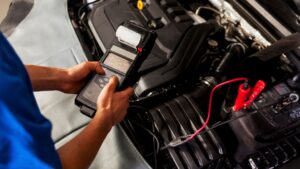
The Polestar 4 relies heavily on software-driven systems, integrated sensors, and electric powertrain components that must work together seamlessly for everyday driving to feel stable and predictable. When defects continue returning after dealership repairs, even small disruptions can compound into ongoing reliability concerns. America’s Lemon Lawyer frequently speaks with owners who experience repeated Polestar 4 issues that affect confidence in daily use and raise questions about long-term ownership value.
California Lemon Law evaluates how these recurring problems affect real-world driving rather than how the vehicle performs during brief service evaluations. When the same Polestar 4 defect resurfaces after updates, resets, or part replacements, the pattern suggests the underlying issue was never fully resolved. These repeated failures often lead owners to consult Polestar 4 lemon law lawyers to understand whether the vehicle qualifies for legal relief.
Software Stability Issues That Disrupt Normal Operation
Software controls nearly every core function in the Polestar 4, from driving systems to safety features and infotainment. When software instability persists, it can affect multiple areas of the vehicle at once rather than a single component. Repeated software-related problems often signal deeper system-level defects.
Unexpected System Freezes and Reboots During Driving
System freezes or reboots may occur while driving, parking, or using vehicle controls. These interruptions can disable displays, delay responses, or temporarily shut down key features. When this behavior continues after software updates, it undermines daily usability.
Why Recurrent Software Failures Create Ongoing Reliability Concerns
Drivers rely on consistent system performance to operate the vehicle safely and confidently. Unpredictable software behavior forces drivers to adapt their habits and second-guess system reliability. Persistent failures help establish a recurring defect pattern under California Lemon Law.
Over-the-Air Updates That Fail to Resolve Core Issues
Over-the-air updates may promise fixes but often provide only temporary improvement. When problems return after updates are applied, the underlying defect remains. This cycle frequently appears in Polestar 4 repair histories.
How Unresolved Update Cycles Support Lemon Law Review
Repeated updates without lasting correction show that the manufacturer attempted repairs without success. Each failed update adds to the documented pattern of unresolved defects. Polestar 4 lemon law lawyers rely on this history during claim evaluation.
Driver Assistance and Sensor Defects That Affect Daily Driving
The Polestar 4 uses cameras, radar, and sensors to manage driver assistance features and safety systems. When these systems malfunction, daily driving becomes less predictable and more stressful. Defects often appear intermittently, making them difficult to diagnose during short service visits.
Warning Alerts and Feature Deactivations Without Clear Cause
Drivers may experience sudden alerts or system deactivations even in normal conditions. These warnings may disappear and later return without explanation. Repeated alerts reduce confidence in features designed to support safe driving.
Why Persistent Alerts Matter Under Lemon Law Standards
Recurring alerts show that safety-related systems cannot be relied upon consistently. This unpredictability affects everyday operation, not just convenience. Ongoing alerts help demonstrate a qualifying defect pattern.
Camera and Sensor Calibration Issues That Continue After Repairs
Calibration attempts may temporarily restore functionality before problems return. Misalignment or sensor communication errors can reappear despite multiple service visits. These recurring issues disrupt features drivers expect to work automatically.
How Repeated Calibration Failures Support Legal Evaluation
Service records showing repeated calibration attempts indicate unresolved system instability. When fixes fail to last, the pattern supports Lemon Law consideration. Polestar 4 lemon law lawyers examine these timelines closely.
Charging and Battery-Related Problems That Interfere With Routine Use
Charging reliability plays a critical role in how the Polestar 4 fits into daily routines. Defects affecting charging initiation, speed, or battery performance can disrupt planning and reduce confidence in electric ownership. These issues often persist despite inspections or component checks.
Charging Interruptions and Inconsistent Charging Sessions
Charging may stop unexpectedly or fail to start under normal conditions. These interruptions often repeat across different charging stations. Continued charging problems limit the vehicle’s practical use.
Why Charging Reliability Is Central to Everyday Ownership
Electric vehicles depend on predictable charging to support daily transportation needs. Unreliable charging forces drivers to adjust schedules and travel plans. Persistent charging failures contribute to Lemon Law eligibility.
Battery Performance Fluctuations During Normal Driving
Battery range or performance may vary unexpectedly without changes in driving habits. These fluctuations often become more noticeable over time. When battery issues continue after service, they form part of a broader defect pattern.
How Battery Performance Issues Strengthen Lemon Law Claims
Repeated battery-related complaints documented in service records show unresolved defects. This documentation supports legal review under California Lemon Law. Polestar 4 lemon law lawyers use these records to build strong claims.
When Software-Driven Polestar 4 Defects Cross the Lemon Law Threshold
California Lemon Law recognizes that modern electric vehicles like the Polestar 4 rely on complex software ecosystems that control core vehicle functions. When those systems fail repeatedly after authorized repairs, the issue is not cosmetic or minor. America’s Lemon Lawyer evaluates whether recurring software-driven defects show that the vehicle cannot be relied on for normal daily use despite the manufacturer being given reasonable opportunities to correct the problem.
Unlike traditional mechanical failures, Polestar 4 defects often appear as instability rather than complete breakdowns. Features may work one day and fail the next, updates may offer short-term improvement, and warning alerts may appear without consistent triggers. When this pattern continues across service visits, it can cross the legal threshold for Lemon Law protection even if the vehicle remains drivable.
How Repeated Software Instability Is Evaluated Under California Law
Software instability is evaluated based on consistency, recurrence, and impact on everyday driving. California Lemon Law does not require total system failure to establish a defect. Instead, the focus remains on whether the vehicle performs reliably as intended over time.
Why Intermittent Failures Still Meet Lemon Law Standards
Intermittent failures often create greater disruption than constant ones because drivers cannot anticipate when systems will malfunction. Unpredictability affects decision-making, route planning, and confidence behind the wheel. Repeated unpredictability demonstrates that the defect is ongoing rather than resolved.
How Unreliable Software Alters Normal Vehicle Use
Drivers adjust habits when they cannot trust displays, alerts, or control systems. That adjustment changes how the vehicle is used day to day. California Lemon Law considers these behavioral changes when evaluating whether a defect substantially affects use.
How Failed Updates and Resets Factor Into Eligibility
Manufacturers frequently rely on software updates and system resets as repair attempts for Polestar 4 issues. While these measures may temporarily suppress symptoms, they do not resolve the defect if problems return. Each unsuccessful update becomes part of the repair history.
Why Temporary Improvement Does Not Reset the Legal Analysis
Short-term improvement does not erase prior repair attempts under California Lemon Law. If the same issue returns during normal use, the earlier repair still counts. The law looks at overall effectiveness, not momentary success.
How Repeated Update Cycles Show Unresolved Defects
A pattern of updates followed by recurring failures shows the manufacturer attempted fixes without achieving lasting correction. This cycle strengthens the argument that the vehicle does not conform to warranty standards. Documentation of these attempts becomes critical evidence.
How System-Wide Effects Elevate Software Defects
Polestar 4 software defects rarely affect only one feature. Instability in one system often cascades into others, impacting safety features, driver assistance, infotainment, or power management. California Lemon Law evaluates this broader impact rather than isolating each symptom.
Why Multi-System Disruption Matters Legally
When multiple systems are affected, the defect reaches beyond inconvenience. It alters the overall reliability of the vehicle. System-wide disruption weighs heavily in Lemon Law analysis.
How Cross-System Failures Support Qualification
Cross-system failures show that the issue is structural rather than incidental. Repairs that address one symptom without stabilizing the system demonstrate unresolved defects. This pattern supports manufacturer responsibility.
How Time Out of Service Applies to Software-Based Repairs
Software-related repairs often require extended diagnostics, updates, or repeated service visits. Even when the vehicle is physically operable, time spent troubleshooting counts toward Lemon Law evaluation. America’s Lemon Lawyer factors this downtime into eligibility analysis.
Why Diagnostic Time Still Counts as Loss of Use
Time spent waiting for updates, testing, or reprogramming limits access to the vehicle. Loss of use occurs even without mechanical disassembly. California Lemon Law recognizes this disruption.
How Extended Software Troubleshooting Strengthens Claims
Repeated diagnostic visits indicate unresolved issues. Each visit adds to the manufacturer’s opportunity to repair. Continued failure after those opportunities supports Lemon Law relief.
How Polestar 4 Claims Are Structured to Address EV Complexity
Polestar 4 claims require a different structure than traditional Lemon Law cases because the vehicle depends on layered software systems, sensors, and electric components that operate together. Defects often do not appear as a single broken part but as instability across multiple systems that interact in real time. America’s Lemon Lawyer structures Polestar 4 claims to reflect this complexity by showing how recurring issues affect overall reliability, daily usability, and long-term ownership rather than isolating individual malfunctions.
Structuring the claim around EV complexity also helps prevent manufacturers from minimizing problems as expected software behavior. When alerts, charging failures, or feature interruptions continue after authorized repairs, the issue becomes one of system reliability rather than normal operation. This approach ensures the claim accurately represents how the Polestar 4 performs during real-world use, not how it functions in controlled testing environments.
How EV System Interdependence Shapes Claim Structure
Electric vehicles like the Polestar 4 rely on tightly integrated systems where software, power delivery, safety features, and user interfaces depend on one another. A defect in one area often triggers issues in others, creating a chain reaction that disrupts everyday driving. America’s Lemon Lawyer structures claims to highlight these connections rather than treating each symptom as an isolated event.
Why Interconnected Failures Cannot Be Evaluated Separately
Evaluating EV defects separately allows manufacturers to argue that no single issue is serious enough to qualify. In reality, interconnected failures compound their impact by affecting reliability and predictability. California Lemon Law allows these related failures to be considered together when they stem from the same underlying instability.
How Linking Related Failures Strengthens the Legal Narrative
Linking related failures shows that repairs addressed symptoms without stabilizing the system as a whole. This narrative demonstrates repeated opportunities to correct the defect without success. The result is a clearer case that the vehicle does not conform to warranty standards.
How Software Behavior Is Framed as a Reliability Issue
Software behavior plays a central role in how the Polestar 4 operates, from driving functions to safety alerts and charging controls. Claims are structured to show how unpredictable software behavior changes how the vehicle is used on a daily basis. This framing shifts the focus from technical explanations to real ownership impact.
Why Reliability Matters More Than Software Intent
Manufacturers may argue that certain behaviors fall within design parameters. California Lemon Law focuses instead on whether the vehicle performs reliably for its intended use. Software that behaves inconsistently fails that standard regardless of intent.
How Unpredictable Software Use Alters Ownership Experience
When drivers cannot rely on displays, alerts, or control systems, they adjust routines and driving habits. Those adjustments demonstrate a substantial impact on use. This evidence supports Lemon Law qualification.
How Diagnostic Delays Are Incorporated Into the Claim
EV diagnostics often require extended testing, software analysis, or coordination with manufacturer engineering teams. These delays can leave the Polestar 4 out of service repeatedly even when no physical repairs occur. America’s Lemon Lawyer incorporates this diagnostic time into the claim structure.
Why Diagnostic Time Counts as Meaningful Downtime
Time spent troubleshooting limits access to the vehicle just as much as mechanical repairs. California Lemon Law recognizes loss of use even when the vehicle is intact. Diagnostic delays therefore carry legal weight.
How Repeated Diagnostics Show Failed Repair Opportunities
Multiple diagnostic visits indicate the manufacturer had chances to identify and correct the defect. When problems persist after these efforts, the repair opportunity requirement is satisfied. This strengthens eligibility for relief.
How Evidence Is Organized to Address Manufacturer Pushback
Manufacturers often challenge EV claims by pointing to updates, resets, or environmental factors. Claims are structured to show outcomes rather than explanations, focusing on what happened after each attempted fix. This organization keeps the claim grounded in results.
Why Outcome-Based Structuring Limits Deflection
Focusing on outcomes prevents manufacturers from restarting the analysis with new theories. Each recurrence reinforces the same unresolved defect. This limits procedural delays.
How Clear Structuring Keeps Pressure on Resolution
Well-structured claims reduce confusion and narrow disputes. Manufacturers face fewer avenues to contest responsibility. This clarity helps move the claim toward resolution.
How America’s Lemon Lawyer Advocates for Polestar 4 Owners

America’s Lemon Lawyer advocates for Polestar 4 owners by focusing on how advanced electric vehicle technology affects real ownership, not just how it appears in specifications or marketing materials. The Polestar 4 depends on software-driven controls, sensors, and electric systems that must operate consistently for the vehicle to remain dependable. When defects persist despite authorized repairs, our advocacy centers on holding the manufacturer accountable for delivering a vehicle that performs reliably in everyday use.
Advocacy also means removing uncertainty for owners navigating unfamiliar EV-related issues. America’s Lemon Lawyer manages the legal process while clearly explaining how recurring software instability, charging interruptions, or system alerts fit within California Lemon Law. Polestar 4 owners benefit from representation that understands both the technology and the legal standards that apply when innovation fails to deliver dependable performance.
How EV-Specific Knowledge Shapes Owner Advocacy
Effective advocacy for Polestar 4 owners requires a clear understanding of how software, battery systems, and electronic controls interact during daily driving and charging. America’s Lemon Lawyer applies EV-specific knowledge to identify when repeated issues reflect instability rather than normal operating behavior. This understanding allows advocacy efforts to stay grounded in how the vehicle actually performs during ownership.
Why Understanding Software-Driven Behavior Protects Owners
Software-driven vehicles can behave unpredictably without fully shutting down, which makes defects harder to explain. Recognizing how intermittent failures affect usability helps ensure those issues are not dismissed as minor. This perspective protects owners from having legitimate concerns minimized.
How Technical Awareness Strengthens Legal Positioning
Technical awareness allows issues to be framed accurately and consistently across repair records. Clear framing prevents manufacturers from reframing defects as user error or expected behavior. This strengthens the owner’s legal position throughout the claim.
How Owner Impact Remains Central to Case Strategy
America’s Lemon Lawyer builds Polestar 4 cases around how defects change daily routines, driving decisions, and confidence in the vehicle. Advocacy focuses on the practical impact of recurring problems rather than abstract explanations. This owner-centered approach keeps the claim aligned with California Lemon Law standards.
Why Real-World Disruption Carries Legal Weight
California Lemon Law evaluates whether a vehicle substantially affects use, value, or safety. Disruptions to charging schedules, route planning, or system reliability directly affect daily use. These disruptions matter even when the vehicle remains drivable.
How Documenting Ownership Disruption Supports Relief
Documenting how defects alter daily habits provides concrete evidence of impact. This evidence helps demonstrate that the issue is more than an inconvenience. Strong documentation supports meaningful legal relief.
How Communication Protects Polestar 4 Owners Throughout the Process
Clear and consistent communication is a core part of advocacy for Polestar 4 owners. America’s Lemon Lawyer explains what each stage of the process means, how evidence is being used, and what to expect next. This transparency allows owners to remain informed without managing the legal burden themselves.
Why Consistent Updates Reduce Uncertainty
Uncertainty often compounds frustration when dealing with recurring vehicle defects. Regular updates help owners understand progress and timing. Knowing where the case stands builds confidence.
How Direct Explanations Build Trust
Straightforward explanations replace speculation and confusion. Owners receive clear answers tailored to their situation. Trust grows when communication stays honest and consistent.
How Advocacy Extends Beyond Resolution Strategy
Advocacy does not stop at identifying a potential outcome. America’s Lemon Lawyer evaluates how each resolution option affects long-term ownership and financial impact for Polestar 4 owners. This ensures decisions align with the owner’s priorities and expectations.
Why Resolution Choices Must Reflect EV Ownership Reality
Electric vehicles involve different ownership considerations than traditional vehicles. Charging reliability, software confidence, and long-term usability influence resolution decisions. Advocacy ensures these factors are not overlooked.
How Strategic Guidance Leads to Better Outcomes
Guidance grounded in both legal standards and EV ownership realities helps owners make informed choices. This approach avoids rushed decisions that fail to address the full impact of recurring defects. Thoughtful advocacy leads to stronger results.
Get Answers About Your Polestar 4 From America’s Lemon Lawyer
Living with recurring Polestar 4 defects can quietly erode confidence in a vehicle that was designed to feel cutting-edge and dependable. Software instability, charging interruptions, or system failures often persist even after multiple service visits, leaving owners unsure whether continued repairs will ever lead to a real fix. California Lemon Law exists for exactly these situations, and understanding how it applies starts with a careful review of your Polestar’s repair history.
America’s Lemon Lawyer focuses on helping Polestar 4 owners step out of the repair cycle and toward a clear resolution. Our team evaluates how recurring defects have affected daily use, reliability, and long-term ownership so the manufacturer must address the issue directly. If your Polestar 4 has spent repeated time in the shop or continues showing the same problems after repairs, you may have options that go far beyond another service appointment. Call America’s Lemon Lawyer at (818)421-2327 or visit our contact page to learn whether your Polestar 4 qualifies under California Lemon Law.