
Acura TLX Lemon Law Lawyers
California Acura TLX owners continue to face recurring vehicle defects that dealerships fail to repair properly, and many drivers feel overwhelmed when their sedan becomes unsafe or unreliable. Our Acura TLX lemon lawyers at America’s Lemon Lawyer guide consumers statewide through the legal process and help hold manufacturers accountable under California’s Song Beverly Consumer Warranty Act. For a helpful overview of consumer rights in the automotive industry, review the Auto Safety Center. This trusted platform offers insight into recurring defects and supports the importance of strong legal representation when vehicle problems do not get fixed. California drivers experience Acura TLX issues in diverse regions, from Riverside County’s desert heat to the coastal humidity of Santa Cruz County and the steep grades of Sonoma County. These conditions make existing defects worse and increase safety risks on local highways. Because manufacturers often minimize or deny warranty problems, we take immediate action and review every repair record, service invoice, and timeline to determine if the issues substantially impair the vehicle’s use, value, or safety. We use clear legal strategies, strong documentation, and consistent communication to maximize the strength of each claim.
Consumers across California deserve reliable transportation, and when Acura cannot fix a recurring defect, the law provides powerful remedies. Our legal team evaluates each Acura TLX lemon law claim with precision by reviewing the mechanical pattern, analyzing dealership behavior, and identifying warranty violations that support a full refund or replacement. We encourage drivers to act quickly because timing affects both eligibility and recovery value under updated state procedures. America’s Lemon Lawyer represents Acura TLX owners throughout counties such as Ventura, Sacramento, Kern, San Diego, Alameda, Santa Clara, and many others. We understand the burden of repeated dealership visits, and we work to position your case for the best possible outcome. If your Acura TLX continues to break down or suffer from electrical, mechanical, or safety issues, contacting our lemon law attorneys is the smartest next step. Call (877) 536-6620 and let our California team guide you forward with confidence.
Acura TLX Engine Performance Problems That Lead To Lemon Claims in California
Engine performance problems in the Acura TLX repeatedly interrupt the driving experience for California owners who depend on consistent reliability. Many TLX drivers report that their sedan begins to show subtle signs of malfunction before the issues progress into more severe failures that return after multiple dealership visits. Because the Acura TLX is marketed as a refined and dependable luxury sedan, these problems often feel unexpected and frustrating for consumers.
Engine problems in the TLX tend to appear in a variety of road environments throughout California. Drivers in Northern counties describe sudden hesitation and engine noise when climbing steep grades. Owners in Central California experience rough idling during extended commute traffic. Southern California drivers frequently encounter stalling during freeway merging or lane changes in high speed areas. These regional patterns demonstrate how engine defects undermine safety in real world driving conditions. Because many of these defects return after software updates or short term fixes, the TLX often qualifies for a lemon law claim when repair attempts stretch over long periods of time.
Drivers also face financial pressure due to repeated service appointments, towing expenses, rental car arrangements, and lost time at work. These disruptions highlight the true burden of an unreliable engine and show how severely the defect impacts the normal use of the vehicle. When a TLX cannot deliver consistent performance after numerous attempts by Acura dealerships, the owner can present strong evidence that the vehicle has become a lemon. Our team reviews the complete repair timeline and helps determine whether the defect meets the legal threshold for significant impairment under California law.
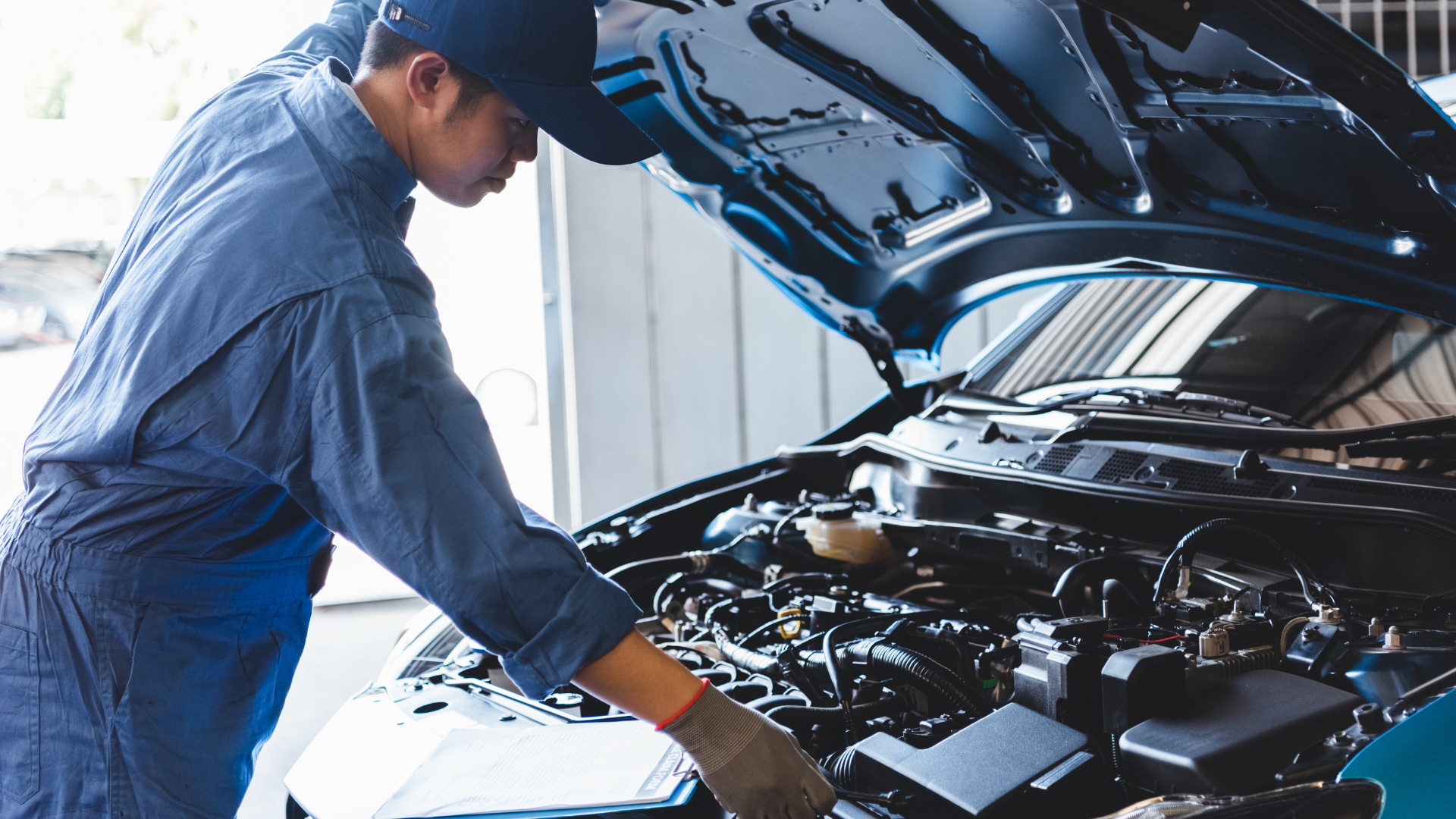
Stalling And Power Loss In Acura TLX Sedans in California
Stalling and unexpected power loss are two of the most serious engine problems reported by Acura TLX owners across California. Many drivers describe the engine shutting down without warning at busy intersections or during routine traffic movement. These incidents often create immediate hazards because drivers have limited time to react when the engine loses power. Even temporary loss of acceleration during lane changes or freeway merging places TLX owners in dangerous situations. When these problems occur repeatedly, drivers begin to fear that the vehicle cannot be trusted in ordinary traffic.
The unpredictability of stalling also increases the risk of rear end collisions, especially in areas with heavy congestion such as Los Angeles County’s neighboring regions, the Central Valley, and stretches of Interstate 5. Drivers who experience stalling often must pull over abruptly, which can be difficult when traffic volume is high. Many TLX owners report shaking, sputtering, or warning lights immediately before a stall. These symptoms usually return even after multiple inspections by Acura service technicians. Because stalling is considered a major safety defect, repeated incidents often support strong claims for Acura TLX lemon law protection.
Stalling also affects the longevity of the TLX engine because irregular combustion cycles cause additional mechanical stress. Over time, repeated stall events can damage fuel system components, sensors, or ignition systems. These secondary failures lead to more repair costs and extended downtime for the owner. Additionally, a TLX that stalls at unpredictable intervals often becomes a financial liability because buyers may avoid purchasing a vehicle with a history of stalls, even after temporary dealership repairs. This loss of value strengthens the argument that the defect substantially impairs the vehicle.
Why Stalling Problems Strengthen Acura TLX Lemon Law Claims
Stalling problems contribute to strong lemon law claims because they directly compromise the safety and reliability of the Acura TLX. California courts recognize that a defect posing a risk to occupants or other motorists can qualify a vehicle for repurchase or replacement. When a TLX stalls during driving, the defect becomes both serious and unpredictable, making the vehicle unsafe under real conditions. Owners often feel heightened anxiety about daily travel because they cannot anticipate when the next stall will occur.
Dealership repair records also play a major role in these claims. Many Acura TLX stalling cases involve repeated software updates, temporary resets, and partial component replacements that do not correct the underlying issue. The cycle of attempted repairs demonstrates that Acura had ample opportunity to fix the defect. Because lemon law relief depends on showing that the manufacturer could not repair the problem within a reasonable number of attempts, a detailed history of repeated stalling repairs strengthens the claim. These patterns show that the TLX failed to meet expected standards of performance.
How Stalling Affects Acura TLX Safety And Daily Use
Stalling significantly affects everyday use because the driver cannot rely on the engine to stay running during normal operation. Many TLX owners describe avoiding certain freeways, longer trips, or even basic errands because they fear the engine may shut off unexpectedly. This change in driving behavior shows how deeply the defect interferes with the owner’s ability to use the vehicle safely. When a car cannot be used without fear of sudden engine failure, the impairment becomes substantial.
Daily routines also suffer because stalling often requires unexpected service appointments, towing services, and time spent at dealership repair centers. Families who rely on the TLX as their primary vehicle may face significant inconvenience, including arranging alternative transportation or reorganizing schedules. The cumulative effect of these disruptions helps establish the severity of the engine defect and supports the owner’s entitlement to lemon law relief.
Rough Idling And Vibration Problems In Acura TLX Models
Rough idling and excessive vibration are frequent complaints among TLX owners who notice shaking when the vehicle is stopped or when the engine is under light load. These symptoms often appear without warning and worsen over time, leaving drivers concerned about long term reliability. Many TLX models experience rough idling that continues even after multiple visits for diagnostic testing. Dealerships commonly attempt to resolve the issue with software updates or throttle body cleanings, but these repairs rarely correct the root mechanical cause.
Rough idling also affects the comfort and driving experience of the Acura TLX. Drivers often describe the sensation as harsh, inconsistent, or unsettling, especially when the engine vibrates more intensely during warm weather or in stop and go traffic. These conditions make daily commutes uncomfortable and unpredictable. When the dealership cannot identify why the TLX continues to shake or idle erratically, the repair history begins to show a pattern of unresolved defects. These issues often qualify the vehicle for lemon law protection when the problem persists after several repair attempts.
The vibration associated with rough idling can also damage components over time, including mounts, sensors, and internal engine parts. These additional failures result in more repair expenses and significant inconvenience for the owner. Because rough idling affects performance consistency and driver confidence, many Acura TLX owners seek legal support to address the ongoing mechanical issues and recover compensation for their losses.
Why Idling Issues Create Strong Acura TLX Lemon Claims
Rough idling strengthens lemon law claims because it demonstrates that the engine is not operating within normal specifications. An Acura TLX should idle smoothly regardless of temperature, terrain, or driving style. When the vehicle consistently idles erratically, the defect becomes clear evidence of a substantial performance impairment. California law protects consumers whose vehicles fail to operate safely, reliably, or as promised under warranty.
Dealership repair attempts often involve repeated adjustments that provide temporary improvements before the defect returns. This repetitive pattern shows that Acura technicians have not identified or corrected the underlying issue. When the dealership cannot solve the problem after several attempts, the TLX may qualify for repurchase or replacement. Owners who document each visit establish the necessary foundation for a lemon law claim by showing that the defect remains unresolved.
How Rough Idling Impacts Acura TLX Reliability And Value
Rough idling reduces the long term reliability of the Acura TLX because continuous shaking or inconsistent engine behavior leads to secondary mechanical problems. Many drivers report premature wear on engine components, increased fuel consumption, and progressive decline in performance. These issues often escalate into costlier repairs that burden the owner financially. The unpredictability associated with rough idling also makes the TLX less appealing in the resale market because buyers prefer vehicles with documented stability.
The defect also affects driver comfort because it causes shaking that can be felt throughout the cabin, especially at stoplights or in heavy traffic. When this occurs over long periods, it becomes frustrating for drivers and passengers alike. This decline in overall driving satisfaction demonstrates that the TLX is not providing the quality expected from a modern sedan, further supporting the claim that the defect substantially impairs the use and value of the vehicle.
Acceleration Hesitation And Delayed Throttle Response In Acura TLX Vehicles
Acceleration hesitation is one of the most frequently reported engine performance problems among Acura TLX owners. Many drivers describe pressing the accelerator pedal and experiencing an unexpected delay before the vehicle responds. This hesitation creates dangerous situations when merging, passing, or navigating steep inclines. TLX owners in Northern California, Southern California, and Central California report similar patterns, suggesting consistent engine behavior across different models and years.
The hesitation often fluctuates depending on temperature, engine load, or driving speed. Some owners notice the issue primarily during morning commutes, while others encounter it after the vehicle has warmed up. Acura dealerships commonly perform software updates or throttle system resets to resolve the problem, but the hesitation usually returns. These repeated failures indicate a deeper mechanical or electronic coordination issue between the engine and transmission. Because hesitation affects day to day safety, many owners pursue lemon law action when Acura cannot correct the defect.
Acceleration hesitation also reduces driver confidence. A TLX that cannot accelerate predictably places the driver at a disadvantage in fast moving traffic. This lack of control becomes especially concerning during highway merging or busy urban travel. When hesitation persists even after several dealership attempts, the defect often reaches the threshold for significant impairment under California lemon law.
Why Acceleration Problems Help Acura TLX Owners Qualify For Lemon Protection
Acceleration problems strengthen lemon law claims because they prevent the TLX from operating safely in routine traffic situations. Delayed throttle response significantly increases collision risk in areas with heavy congestion, such as freeway interchanges or city streets with rapid traffic flow. A responsive engine is essential for safe driving. When the TLX repeatedly fails to accelerate as expected, the defect becomes a credible safety concern.
Repair history is critical in these cases because dealerships often attempt multiple adjustments before acknowledging the deeper defect. When software patches, sensor replacements, or throttle resets do not correct the issue, the repair pattern shows clear evidence that the vehicle remains defective. These records help establish that Acura had reasonable opportunities to fix the problem but did not succeed. This pattern supports the legal argument for lemon law recovery.
How Hesitation Reduces Control And Safety In The Acura TLX
Hesitation undermines vehicle control because the TLX does not respond consistently to acceleration input. This delay forces drivers to compensate for the vehicle’s unpredictable behavior, which increases overall stress and reduces driving comfort. In traffic environments with sudden stops or fast changing conditions, hesitation becomes a serious danger. Drivers often describe feeling unsafe when attempting to merge or pass because they do not know whether the engine will respond on time.
These safety concerns impact daily routines because many drivers avoid specific routes or driving situations to limit exposure to risk. This change in behavior shows how significantly the defect affects daily use of the TLX. When the vehicle cannot perform essential driving maneuvers, the impairment becomes substantial and contributes to strong lemon law claims.
Fuel System Defects And Inconsistent TLX Engine Performance
Fuel system defects are widely reported among Acura TLX drivers and often lead to inconsistent engine performance. Many owners experience sputtering, hesitation, long crank times, or sudden loss of power while accelerating. These symptoms typically occur without warning and may worsen over time, especially during long drives or in high temperature environments. When fuel system irregularities remain unresolved after several dealership visits, the TLX may qualify for lemon law relief.
Fuel system defects often cause irregular combustion patterns that result in rough driving, reduced fuel efficiency, and ongoing reliability issues. When Acura dealerships attempt to solve the problem by replacing individual components or applying software updates, the improvement is usually temporary. These repeated failures show that the underlying issue has not been addressed, which supports the argument that the TLX has become defective under California law.
Owners also face significant inconvenience because fuel system issues can leave the vehicle unable to start or cause sudden power drops in traffic. These incidents disrupt daily routines and create safety hazards in high speed or densely populated areas. Because these problems affect both performance and safety, they provide strong justification for lemon law assistance.
Why Fuel System Problems Support Acura TLX Lemon Law Claims
Fuel system defects strengthen lemon law claims because they interfere directly with the engine’s ability to operate correctly. When the TLX cannot regulate fuel delivery, the engine becomes unpredictable and unsafe. Drivers rely on consistent fuel distribution for smooth acceleration and stable performance. When this system fails, the sedan loses its expected reliability and may become dangerous in routine driving conditions.
Repair records commonly involve multiple attempts to correct fuel related problems. These attempts often include fuel pump replacements, injector cleaning, sensor recalibrations, and software reprogramming. When these measures fail to provide a lasting solution, the repeated repair history demonstrates Acura’s inability to fix the TLX within a reasonable number of attempts. This evidence forms the foundation for a successful lemon law claim and helps owners obtain a refund or replacement.
How Fuel System Failures Reduce Acura TLX Longevity And Consistency
Fuel system failures shorten the long term durability of the Acura TLX because uneven fuel distribution puts extra strain on engine components. Over time, this strain can damage pistons, valves, and internal mechanisms that require expensive repairs. These ongoing issues create additional financial burdens for the owner, especially when the TLX returns to the dealership repeatedly without permanent improvement.
Inconsistent fuel delivery also disrupts the daily operation of the vehicle because drivers cannot predict when the engine will perform normally or when it may struggle. These concerns limit the driver’s confidence and cause significant inconvenience during essential errands, commutes, and travel. When the TLX cannot provide stable performance under typical driving conditions, the defect clearly impairs the use and value of the vehicle, which supports the pursuit of lemon law remedies.
Contact Our Acura TLX Lemon Lawyers for Immediate Review – A No Fee Guarantee
If your Acura TLX continues to suffer from engine defects or repeated mechanical failures, you do not have to continue managing the problem on your own. California drivers deserve a vehicle that performs safely and consistently, and the law provides strong protection when Acura cannot correct serious warranty issues. Our team reviews every repair record, service timeline, and defect pattern to determine whether your TLX qualifies for a refund, replacement, or cash compensation. When a vehicle repeatedly interrupts your daily life, taking the next step toward legal support can bring much needed clarity and relief.
America’s Lemon Lawyer assists Acura TLX owners throughout California who are ready to move forward and regain confidence in their transportation. We listen carefully to your concerns, explain each available remedy, and guide you through the process from start to finish. You do not need to guess whether your claim qualifies because our team will help you confirm every detail. If you are ready to understand your rights and protect your financial investment, call (877) 536-6620 today. We are here to support you and evaluate your Acura TLX lemon law situation with the attention it deserves.