
Common Vehicle Defects Covered by California Lemon Law in San Bernardino
California Lemon Law protects San Bernardino drivers when persistent vehicle defects interfere with safety, value, or everyday use. Many consumers are unaware that recurring mechanical or electrical issues may qualify for legal protection even if the vehicle still operates. From engine and transmission problems to safety system failures, certain defects fall squarely within California Lemon Law coverage. Understanding which vehicle defects are commonly covered helps San Bernardino residents recognize when ongoing repairs may indicate a qualifying lemon and when it may be time to explore their legal options.
At America’s Lemon Lawyer, our experienced California Lemon Law attorneys help San Bernardino drivers determine whether recurring vehicle defects qualify for protection under the law. We review repair histories, identify covered defects, and handle all communication with the manufacturer on your behalf. Our team understands how common issues like engine failure, transmission problems, and safety system malfunctions are evaluated under California Lemon Law, and we know how to build strong claims that pursue maximum compensation. Whether your case involves a buyback, replacement vehicle, cash settlement, or additional penalties for manufacturer misconduct, we guide you through every step with no upfront costs. We proudly serve San Bernardino and all surrounding areas, so call us today at (833) 660-1627 to schedule your free case review and learn your options.
How a California Lemon Law Attorney in San Bernardino Helps Protect Owners from Common Vehicle Defects
Common vehicle defects covered by California Lemon Law often require experienced legal guidance to ensure manufacturers are held accountable, and at America’s Lemon Lawyer, we focus on protecting vehicle owners throughout this process. We review repair records, warranty coverage, and defect history to determine whether a vehicle qualifies under California Lemon Law standards. Our team understands how manufacturers evaluate defect claims and how they may attempt to minimize responsibility. By building detailed and well-documented cases, we help ensure common vehicle defects are properly recognized and addressed under the law.
We also manage all communication and negotiations with the manufacturer on your behalf, which helps reduce stress and prevent costly missteps. At America’s Lemon Lawyer, we understand how recurring engine issues, transmission failures, and safety system malfunctions impact daily life and long-term vehicle value. We use our experience to pursue remedies that align with each client’s situation, whether that involves a buyback, replacement, or financial settlement. Our approach focuses on protecting owners from ongoing repair cycles while holding manufacturers accountable for covered defects.
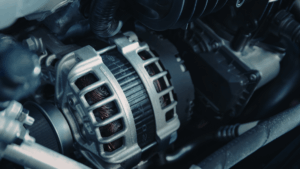
Understanding Common Vehicle Defects Covered by California Lemon Law
Common vehicle defects covered by California Lemon Law are issues that substantially affect a vehicle’s use, value, or safety and continue despite reasonable repair attempts. These defects are not limited to complete vehicle failure and often involve recurring problems that interfere with daily driving. California Lemon Law is designed to protect consumers when manufacturers cannot or will not fix these ongoing issues. Understanding how the law defines covered defects helps San Bernardino drivers recognize when their rights may be triggered. Clear knowledge allows owners to take action before problems escalate further.
What Qualifies as a Covered Vehicle Defect
A covered defect is one that significantly impacts how a vehicle functions or how safe it is to operate. These issues often persist even after multiple repair attempts at authorized dealerships. California Lemon Law focuses on the severity and recurrence of the defect rather than cosmetic concerns. Identifying qualifying defects early helps strengthen potential claims.
Defects That Affect Use, Value, or Safety
Defects affecting use may limit reliable transportation or cause frequent breakdowns. Issues affecting value can reduce resale worth or market confidence in the vehicle. Safety-related defects create risks for drivers and passengers during normal operation. California Lemon Law prioritizes these categories. Documentation helps demonstrate impact.
Why Repeated Repairs Matter Under the Law
The law considers whether the manufacturer had a reasonable opportunity to fix the defect. Multiple repair attempts for the same issue often indicate a qualifying condition. Even different symptoms linked to the same root problem may count. Repair history plays a critical role in evaluation. Consistency strengthens claims.
How Warranty Coverage Relates to Covered Defects
California Lemon Law applies when defects occur during the manufacturer’s warranty period. Warranty coverage confirms the manufacturer’s responsibility to repair defects. Attorneys review warranty terms to confirm eligibility. Proper timing supports legal protection.
Manufacturer Obligations During the Warranty Period
Manufacturers are required to repair covered defects within a reasonable timeframe. Failure to do so may trigger lemon law protections. Repeated unsuccessful repairs demonstrate noncompliance. Warranty obligations form the legal foundation of claims.
Why Common Vehicle Defects Covered by California Lemon Law Qualify for Claims
Common vehicle defects covered by California Lemon Law qualify for claims because they reflect a manufacturer’s failure to deliver a vehicle that meets basic standards of reliability, safety, and value. When a defect continues despite proper repair attempts, the law shifts responsibility away from the consumer and onto the manufacturer. These protections exist to prevent vehicle owners from being stuck in repeated repair cycles without meaningful resolution. California Lemon Law is structured to recognize real-world ownership burdens rather than requiring total vehicle failure. Understanding why these defects qualify helps owners recognize when legal rights are triggered.
The Legal Standard for a Qualifying Lemon
California Lemon Law does not require a vehicle to be completely inoperable to qualify as a lemon. Instead, the law evaluates whether a defect substantially interferes with the use, value, or safety of the vehicle. This broader standard reflects how ongoing problems affect daily driving and ownership experience. Even defects that appear intermittent may qualify when they persist over time. The focus remains on overall impact rather than isolated incidents.
Substantial Interference With Normal Vehicle Use
A defect may qualify if it prevents the vehicle from being used reliably for its intended purpose. Frequent breakdowns, stalling, or warning lights can disrupt daily transportation. Even if the vehicle still runs, unreliable performance can qualify under the law. Courts recognize that repeated inconvenience affects ownership. Reliability is a core expectation.
Loss of Vehicle Value Due to Ongoing Defects
Common vehicle defects covered by California Lemon Law may reduce resale or trade-in value. Buyers often avoid vehicles with documented repair histories. Ongoing defects can permanently affect market confidence. The law accounts for diminished value as a qualifying factor. Financial impact matters.
Safety Risks Even Without Accidents
A vehicle does not need to cause an accident to qualify as unsafe. Defects involving brakes, steering, airbags, or engine power loss raise safety concerns on their own. The law prioritizes prevention rather than waiting for injury. Potential danger is sufficient. Safety remains a central consideration.
Reasonable Number of Repair Attempts Under the Law
California Lemon Law considers whether the manufacturer was given a reasonable opportunity to repair the defect. This standard depends on the nature of the problem and repair history. Courts evaluate patterns rather than individual visits. Repeated failures signal unresolved manufacturing issues.
Fewer Attempts Required for Safety-Related Defects
Safety-related defects often qualify with fewer repair attempts than non-safety issues. Problems affecting brakes, airbags, or engine stalling may meet the standard quickly. The law recognizes increased risk to drivers and passengers. Prompt protection is essential.
Multiple Repairs for the Same Root Issue
Even if repairs involve different symptoms, they may count if linked to the same underlying defect. Manufacturers sometimes attempt varied fixes without addressing the core problem. Courts look at substance over labels. Root causes matter more than repair descriptions.
Time Out of Service as a Qualifying Factor
A vehicle may qualify under California Lemon Law based on time spent in the repair shop alone. Extended downtime limits access to transportation and disrupts daily life. The law recognizes loss of use as a serious burden. Fewer repair attempts may still qualify when downtime is excessive.
Cumulative Days in the Repair Shop
Days out of service are often calculated cumulatively rather than consecutively. Multiple shorter visits can add up quickly. Owners should track all service dates carefully. Documentation strengthens claims.
Impact of Downtime on Daily Life
Extended repair time affects work, family responsibilities, and transportation needs. Rental cars do not fully replace personal vehicle access. The law accounts for this disruption. Loss of use supports qualification.
Manufacturer Responsibility and Warranty Obligations
Common vehicle defects covered by California Lemon Law qualify because manufacturers are legally responsible for warranty repairs. When a manufacturer cannot fix a defect during the warranty period, liability increases. Warranty coverage establishes clear responsibility. Failure to repair triggers legal protection.
Obligation to Provide a Reliable Vehicle
Manufacturers are expected to deliver vehicles that function as promised. Warranty repairs are not optional obligations. Repeated failure undermines consumer trust. The law enforces accountability.
Shifting Responsibility Away From the Consumer
California Lemon Law prevents consumers from absorbing the cost of manufacturing defects. Owners should not pay indefinitely for unresolved problems. The law reallocates responsibility appropriately. Fairness remains the goal.
Why Consumer Protection Is Central to Lemon Law
California Lemon Law exists to balance the power difference between manufacturers and individual vehicle owners. Manufacturers have greater resources and technical knowledge. Legal protections ensure consumers are not disadvantaged. Claims reinforce accountability across the industry.
Preventing Endless Repair Cycles
Without legal intervention, manufacturers may continue ineffective repair attempts indefinitely. Lemon Law claims create deadlines and consequences. Legal pressure encourages resolution. Consumers gain leverage.
Encouraging Manufacturer Accountability
Lemon Law claims help to incentivize manufacturers to improve quality control. Accountability benefits future consumers as well. The law promotes higher industry standards. Enforcement supports long-term protection.
How Manufacturers Respond to Common Vehicle Defects Covered by California Lemon Law
Manufacturers often respond strategically to common vehicle defects covered by California Lemon Law, particularly when a claim is not immediately challenged by legal representation. These responses are rarely straightforward and may involve delays, repeated repair attempts, or attempts to downplay the seriousness of the defect. Understanding how manufacturers typically react helps vehicle owners avoid missteps that could weaken a claim. The response strategy often evolves as liability becomes clearer. Awareness places owners in a stronger position throughout the process.
Initial Manufacturer Responses to Defect Complaints
When defects first arise, manufacturers usually respond by directing owners back to authorized dealerships for additional repairs. These actions are often presented as good-faith efforts to resolve the issue. However, repeated unsuccessful repairs may actually strengthen a lemon law claim. The early stage of manufacturer response is critical. Careful documentation remains essential.
Emphasizing Continued Repair Attempts
Manufacturers often focus on performing additional repair attempts rather than discussing legal resolution. These attempts may involve software updates, part replacements, or inspections that do not resolve the underlying issue. While continued repair is allowed, repeated failures are legally significant. Owners should not assume more repairs weaken a claim. Repair history often supports qualification.
Framing Repairs as Progress or Improvement
Manufacturers may suggest that repairs have improved the vehicle, even if the defect persists. This framing is used to argue that the issue is resolved or insignificant. Owners should pay attention to recurring symptoms after service visits. Ongoing problems matter legally. Consistency is key.
Requests for Additional Repair Opportunities
Manufacturers frequently request more chances to repair the defect before acknowledging liability. While California Lemon Law allows reasonable opportunities, this does not mean unlimited attempts. Understanding when additional repairs help or hurt a claim is important. Each visit must be evaluated carefully.
Claiming the Issue Was Not Properly Diagnosed Previously
Manufacturers may argue that prior repairs addressed the wrong cause. This claim often leads to renewed repair efforts. While sometimes legitimate, repeated misdiagnosis supports lemon law claims. Pattern matters more than explanations. Documentation clarifies the timeline.
Encouraging Owners to Delay Legal Action
Some manufacturers rely on delay tactics, hoping owners will lose patience or stop pursuing claims. Delays may involve extended diagnostics or waiting for parts. These delays increase time out of service. Downtime strengthens claims rather than weakens them.
Minimizing the Severity of the Defect
Another common manufacturer response is to downplay the seriousness of the defect. Manufacturers may describe issues as normal vehicle behavior or cosmetic concerns. This tactic is designed to avoid lemon law classification. Clear evidence counters minimization.
Labeling Defects as Normal Operating Characteristics
Manufacturers may claim certain noises, vibrations, or warning lights are normal. These statements conflict with owner experience and repair records. Repeated service visits undermine such claims. Consistency between complaints and repairs matters.
Arguing the Vehicle Is Safe to Drive
Even when defects affect performance or reliability, manufacturers may assert the vehicle remains safe. California Lemon Law does not require an accident to occur. Potential safety risk is sufficient. Legal evaluation challenges these arguments.
Manufacturer Use of Technical Explanations
Manufacturers often rely on technical language to complicate defect discussions. Complex explanations may confuse owners or obscure responsibility. Understanding the practical impact of the defect is more important than technical descriptions. The law focuses on impact, not engineering language.
Citing Software Updates or Temporary Fixes
Temporary fixes may be presented as permanent solutions. Software updates are commonly used in this way. If symptoms return, the defect remains unresolved. Ongoing issues matter legally.
Separating Symptoms Into Different Repair Categories
Manufacturers may attempt to classify related symptoms as unrelated problems. This tactic aims to reduce the appearance of repeated repairs. Courts often look at the root cause rather than repair labels. Substance outweighs form.
Manufacturer Settlement and Resolution Strategies
As evidence of liability grows, manufacturers may shift toward settlement discussions. These strategies vary based on case strength and documentation quality. Offers may appear favorable but require careful evaluation. Strategy significantly affects outcomes.
Timing of Settlement Offers
Manufacturers may delay settlement until claims are well-documented. Early offers may be lower or incomplete. Later offers often improve as leverage increases. Timing influences value.
Evaluating Whether an Offer Resolves the Defect
Settlement offers should fully resolve the ownership problem. Partial solutions may leave owners with ongoing issues. Legal review helps assess fairness. Finality matters.
Buyback, Replacement, or Cash Settlement Offers
Manufacturers typically offer one of several remedies once liability is acknowledged. Each option carries different legal and financial implications. Choosing the right remedy depends on individual circumstances. Understanding differences protects value.
Manufacturer Buyback Offers
A buyback typically involves refunding the purchase price minus a usage offset. This option removes the defective vehicle entirely. Terms must be reviewed carefully. Accuracy matters.
Replacement Vehicle Proposals
Replacement vehicles may be offered instead of a refund. These offers may include similar models with updated warranties. Details vary by manufacturer. Evaluation is essential.
Cash Settlement Agreements
Cash settlements allow owners to keep the vehicle while receiving compensation. This option may be appropriate in certain cases. Long-term reliability should be considered. Informed decisions matter.
Examples of Common Vehicle Defects Covered by California Lemon Law
Examples of common vehicle defects covered by California Lemon Law include mechanical, electrical, and safety-related issues that repeatedly disrupt normal operation and ownership experience. These defects often appear across multiple manufacturers and vehicle models, even in newer vehicles still under warranty. Many owners initially assume these problems are isolated or minor, only to experience recurring failures over time. Recognizing common defect categories helps vehicle owners identify patterns within their repair history. Early awareness supports timely evaluation and stronger claims.
Engine and Transmission Defects
Engine and transmission defects are among the most frequently cited issues in California Lemon Law claims. These components are central to vehicle performance and safety, making persistent failures especially disruptive. Repeated repair attempts without resolution often indicate manufacturing or design issues. Reliability problems in these systems commonly qualify under the law. Consistent documentation strengthens claims significantly.
Engine Stalling or Loss of Power
Unexpected engine stalling creates dangerous situations, particularly during highway driving or intersections. Loss of power reduces driver control and confidence in the vehicle. Even intermittent stalling may qualify when repairs fail to resolve the issue. Multiple service visits demonstrate the seriousness of the defect. Safety impact is a key consideration.
Engine Misfires and Rough Idling
Misfires and rough idling often signal deeper mechanical or electronic engine issues. These symptoms may worsen over time if left unresolved. Repeated diagnostic attempts without permanent repair strengthen lemon law claims. Owners should document all symptoms consistently. Patterns matter more than severity alone.
Transmission Slipping or Failure to Shift
Transmission slipping, delayed shifting, or jerking movements indicate internal transmission defects. These issues often progress gradually and become more severe. Repeated transmission repairs without lasting results raise reliability concerns. Drivability is significantly affected. Consistency in complaints supports qualification.
Complete Transmission Failure
In some cases, transmissions fail entirely, leaving the vehicle inoperable. Even partial failures may qualify under California Lemon Law. Extended downtime increases time out of service. Documentation of each repair attempt is essential. Loss of use is legally significant.
Electrical and Electronic System Defects
Modern vehicles rely heavily on complex electronic systems to control performance, safety, and comfort features. Electrical defects can affect multiple vehicle functions at once. These issues are often difficult to diagnose and repair permanently. Repeated electrical failures frequently qualify under California Lemon Law. Reliability concerns escalate quickly.
Dashboard Warning Lights That Recur
Persistent warning lights often indicate unresolved electrical or sensor problems. Manufacturers may reset systems without addressing the root cause. When lights repeatedly reappear, the defect remains unresolved. Multiple visits for the same warning support claims. Records are critical.
Infotainment and Control System Failures
Failures involving touchscreens, navigation, or vehicle controls affect usability and safety. System freezes or shutdowns may interfere with driving functions. Repeated software updates without improvement strengthen claims. Use and value are affected. Documentation supports evaluation.
Battery Drain and Electrical Shorts
Unexplained battery drain or electrical shorts can leave vehicles inoperable. These issues often recur despite battery replacement. Electrical instability raises safety and reliability concerns. Repeated incidents qualify for review. Time out of service matters.
Safety System Defects
Safety-related defects receive heightened attention under California Lemon Law. These issues pose direct risks to drivers and passengers even without accidents. Fewer repair attempts may be required to qualify. Safety concerns accelerate legal protection.
Airbag System Malfunctions
Airbag warning lights or deployment failures compromise crash protection. These defects raise immediate safety risks. Repeated repairs without resolution strengthen claims quickly. Safety impact is central to evaluation. Early action is important.
Brake System Failures or Warnings
Brake defects may involve reduced stopping power, warning lights, or abnormal behavior. These issues create serious driving hazards. Even intermittent brake problems may qualify. Repeated service visits demonstrate risk. Safety takes priority.
Steering System Defects
Steering problems such as pulling, stiffness, or loss of control affect vehicle handling. These defects compromise driver ability to respond quickly. Repeated steering repairs without success qualify in many cases. Control issues are legally significant.
Climate Control and Comfort System Defects
Although sometimes viewed as less severe, comfort-related defects can still qualify under California Lemon Law. These systems affect daily usability and resale value. Persistent failures demonstrate unreliability. Repeated repairs matter legally.
Heating System Failures
Heating system defects affect comfort and windshield defrosting. Poor visibility creates safety concerns in colder conditions. Repeated heating repairs without resolution strengthen claims. Use and safety are impacted.
Air Conditioning System Malfunctions
Air conditioning failures reduce comfort and may affect vehicle value. Recurrent refrigerant leaks or compressor failures often persist. Multiple service visits support qualification. Documentation remains key.

How San Bernardino County Lemon Law Attorneys Can Help With Your Claim
San Bernardino County Lemon Law attorneys play an important role in helping vehicle owners navigate the legal process when repeated defects continue without resolution. Many claims involve complex timelines, repair thresholds, and manufacturer requirements that can be difficult to manage alone. Working with an experienced attorney helps ensure that claims are handled correctly from the start and supported with proper documentation. This guidance allows vehicle owners to focus on daily life while their case moves forward efficiently. Understanding how attorneys support each stage of the claim helps clarify the value of professional representation.
Evaluating Whether Your Vehicle Qualifies Under California Lemon Law
One of the first ways San Bernardino County Lemon Law attorneys assist is by evaluating whether a vehicle meets legal qualification standards. This review focuses on repair history, warranty coverage, and the nature of the defect. Proper evaluation prevents wasted time pursuing claims that do not meet statutory requirements. Clear assessment helps set realistic expectations early in the process.
Reviewing Repair Attempts and Service Records
Attorneys carefully review service invoices, repair orders, and timelines related to each defect. These records help establish whether the manufacturer was given a reasonable opportunity to fix the issue. Accurate documentation strengthens the foundation of the claim. Organized records improve efficiency and clarity.
Identifying Covered Defects and Warranty Protections
Not all vehicle issues qualify under California Lemon Law, so identifying covered defects is essential. Attorneys analyze whether problems affect use, value, or safety. Warranty terms are also reviewed to confirm eligibility. This analysis helps determine the strongest legal strategy.
Managing Communication With the Manufacturer
Manufacturer communication can be time-consuming and stressful for vehicle owners. San Bernardino County Lemon Law attorneys handle this process directly to prevent misstatements or delays. Professional communication helps keep the claim moving forward. Clear representation reduces pressure on the owner.
Handling Manufacturer Requests and Responses
Manufacturers often request additional information or documentation during a claim. Attorneys manage these requests and ensure responses are accurate and timely. Proper handling helps avoid unnecessary setbacks. Consistent communication supports progress.
Preventing Costly Mistakes During the Claim Process
Unrepresented owners may unknowingly say or do things that weaken their claim. Attorneys help prevent errors related to timelines, statements, or documentation. This protection preserves claim strength. Guidance reduces risk throughout the process.
Building a Strong Legal Claim Strategy
Every lemon law case requires a strategy tailored to the specific vehicle and defect history. San Bernardino County Lemon Law attorneys use experience to determine the best approach. Strategic planning helps maximize potential outcomes. Thoughtful preparation supports successful resolution.
Organizing Evidence to Support the Claim
Attorneys compile repair records, correspondence, and warranty details into a clear case presentation. Organized evidence makes defects and repair patterns easier to demonstrate. Strong presentation improves leverage. Clear documentation supports negotiations.
Determining the Most Appropriate Legal Remedy
California Lemon Law allows for different remedies depending on the circumstances. Attorneys evaluate whether a buyback, replacement, or cash settlement is most appropriate. This evaluation considers vehicle history and owner goals. Tailored remedies align outcomes with client needs.
Guiding the Claim Through Resolution
San Bernardino County Lemon Law attorneys remain involved until the claim reaches resolution. Ongoing guidance ensures deadlines are met and progress continues. Professional oversight keeps the process structured. Continued support helps maintain confidence.
Negotiating Fair Outcomes on Behalf of Vehicle Owners
Attorneys negotiate directly with manufacturers to pursue fair compensation. Experience helps identify reasonable settlement terms. Skilled negotiation improves the likelihood of favorable outcomes. Representation levels the playing field.
Providing Clarity and Support Throughout the Process
Lemon law claims can feel overwhelming without guidance. Attorneys provide regular updates and explanations at each stage. Clear communication helps owners understand progress and next steps. Ongoing support reduces uncertainty and stress.
Contact an Experienced San Bernardino Lemon Law Attorney Today
At America’s Lemon Lawyer, we focus on helping San Bernardino vehicle owners protect their rights when persistent defects continue to disrupt safety, reliability, and daily use. We understand how frustrating repeated repair visits can be, especially when manufacturers fail to provide meaningful solutions. Our team has extensive experience handling California Lemon Law claims involving engine issues, transmission failures, electrical defects, and safety system malfunctions. By carefully reviewing repair histories and warranty coverage, we help determine the strongest path forward for each case.
We handle the entire legal process on your behalf, including all manufacturer communication, detailed claim preparation, and strategic negotiations, so you are not left managing the burden on your own. Our team focuses on building strong cases that clearly demonstrate how ongoing defects affect safety, reliability, and vehicle value over time. Our goal is to pursue outcomes that truly resolve the situation, whether that means securing a manufacturer buyback, a replacement vehicle, or fair financial compensation. We take pride in protecting San Bernardino consumers while holding manufacturers accountable under California Lemon Law and ensuring our clients feel supported at every stage. Call our expert attorneys at America’s Lemon Lawyer today at (833) 660-1627 or reach out online for a consultation.