
Polestar 2 Lemon Law Lawyer
The Polestar 2 combines modern design and electric performance making it a popular choice for drivers who want a premium EV. Many owners appreciate the responsive acceleration and quiet ride, yet recurring issues can interrupt that experience when symptoms reappear after dealership repairs. These ongoing problems lead many owners to consult with a Polestar 2 Lemon Law Lawyer to understand whether their repair history may qualify for protection under California Lemon Law.
California Lemon Law evaluates how the vehicle behaved after repair attempts rather than focusing on a single visit. When the same electrical, software, or charging related problems reappear during everyday driving, the law may consider the issue unresolved even if updates or component replacements provided temporary improvement. America’s Lemon Lawyer reviews the complete repair timeline, analyzes how the recurring issue affected performance or usability, and explains how these details may meet California’s legal standards. Call America’s Lemon Lawyer at (877) 536-6620 or visit our contact page to learn whether your Polestar 2 qualifies under California Lemon Law.
How Charging and Power Delivery Problems Continue to Affect Polestar 2 Owners
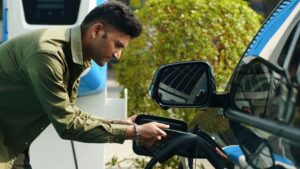
Many Polestar 2 owners experience recurring charging and power delivery problems that return after dealership repairs and disrupt the consistency of the vehicle’s electric performance. These issues often begin as brief interruptions during home charging sessions or unexpected slowdowns while using a DC fast charger. Some owners notice that the vehicle stops charging earlier than expected, pauses mid-session, or displays warnings that temporarily disappear after updates. While these symptoms may seem isolated at first, they often return under routine conditions and gradually affect the reliability of the charging experience. When problems reappear despite software patches or component replacements, the recurring pattern becomes a source of uncertainty for owners who depend on steady charging access for daily travel.
As the Polestar 2 continues to accumulate mileage, recurring charging symptoms may become more frequent or appear during different types of charging sessions. Some owners encounter inconsistent power delivery while driving, reduced acceleration after start-up, or brief drops in available power during highway merging. These behaviors create concern about whether the vehicle will perform as expected in situations that require stable output. When the same charging or power symptoms return after dealership interventions, a Polestar 2 Lemon Law Lawyer can evaluate the repair history to determine whether the pattern signals an unresolved defect under California Lemon Law.
How Recurring Charging Irregularities Disrupt Everyday Use
Charging irregularities represent one of the most common recurring issues for Polestar 2 owners. These symptoms may include charging sessions that end prematurely, inconsistent charge rates, or charging ports that intermittently fail to connect. While some dealership visits focus on software updates intended to improve charging reliability, owners often report that the issues return once the vehicle is used in regular conditions. These irregularities can disrupt daily routines by requiring additional time at charging stations or causing uncertainty about whether the vehicle will hold enough charge for planned trips.
How Charge Session Interruptions Become Recurring Problems
Some Polestar 2 vehicles experience unexpected stops during charging, either at home or at public stations. These interruptions may occur without clear explanation and often reappear even after temporary improvement. When the vehicle repeatedly stops charging or slows to an unusually low rate, owners must adjust travel plans and revisit the dealership to seek a resolution.
Why Charging Interruptions Matter for Evaluation
A recurring interruption during charging demonstrates that the underlying issue persisted across multiple attempts to correct it. This continuity becomes an important part of the repair history.
How DC Fast Charging Inconsistencies Reappear
DC fast charging behavior can be unpredictable for some Polestar 2 owners. After repairs or updates, fast charging may improve briefly before slowing dramatically or failing to initiate at all. When fast charging remains inconsistent over time, it becomes a significant concern for owners who rely on quick charging options.
How Fast Charging Recurrence Helps Build a Clear Timeline
Repeated fast charging irregularities show that the issue affected the vehicle across several service visits. This pattern helps demonstrate how the defect influenced everyday usability.
How Power Delivery Problems Reappear in the Polestar 2
Power delivery issues often accompany recurring charging concerns. Some owners notice reduced power during acceleration or brief losses of responsiveness while merging or climbing hills. These symptoms may occur intermittently and can be difficult for the dealership to duplicate during short test drives. While software updates or inverter checks may provide temporary improvement, many owners experience a return of the symptoms during routine driving conditions.
How Reduced Acceleration Returns After Repairs
A loss of acceleration or inconsistent throttle response may return shortly after being addressed at the dealership. These symptoms can disrupt normal driving and raise concerns about the vehicle’s power system stability.
Why Returning Acceleration Symptoms Support a Defect Review
A recurring reduction in acceleration shows that the underlying power issue remained active. This helps support a clear pattern when reviewing the repair history.
How Power Output Fluctuations Affect Daily Driving
Some Polestar 2 owners encounter brief drops in power output while driving at steady speeds. These fluctuations may occur during longer trips or after the vehicle has been driven for extended periods. Even after dealership inspections, the same behavior may reappear.
Why Power Fluctuation Patterns Strengthen Documentation
A recurring fluctuation in power output creates a timeline of instability that becomes relevant during a Lemon Law evaluation.
How Electrical System Instability Contributes to Recurring Polestar 2 Problems
The Polestar 2 relies heavily on software and electrical systems, which can lead to recurring issues when those components do not function consistently. Some owners report warnings related to the 12V system, thermal management alerts, or electrical network malfunctions that reappear after temporary fixes. These issues may influence how reliably the vehicle charges or manages energy during operation.
How Returning Electrical Alerts Affect Confidence
Electrical system alerts may disappear after resets but return under similar driving or charging conditions. These recurrences create uncertainty about the vehicle’s long term reliability and raise questions about whether the underlying issue was addressed.
How Electrical Recurrence Supports a Clear Diagnostic History
When electrical warnings return repeatedly, they support the development of a clear chronological record that helps demonstrate an unresolved defect under California Lemon Law.
How Charging and Battery Problems Influence Polestar 2 Lemon Law Qualification
California Lemon Law evaluates how recurring charging and battery problems affect the Polestar 2 over time and whether those issues interfere with the vehicle’s normal use, value, or safety. The law does not require a specific number of repairs before the vehicle may qualify. Instead, it examines how consistently the same symptoms return after dealership attempts to correct them. When charging interruptions, reduced driving range, or battery management warnings appear repeatedly under everyday conditions, the recurring pattern becomes an important part of determining whether the Polestar 2 may qualify for legal protection. This evaluation helps owners understand the connection between their repair history and the standards that apply to electric vehicles in California.
Charging and battery concerns often impact EV owners more significantly than the typical mechanical issues found in gas-powered vehicles. When the vehicle stops charging unexpectedly or provides less range than expected, owners may struggle to plan daily travel or depend on public charging networks. These disruptions can cause delays and inconvenience, especially for those who rely on the Polestar 2 for long commutes or regular fast-charging sessions. If these issues continue after dealership visits, the timeline of returning symptoms helps form the basis for a Lemon Law review, since it shows that the underlying problem may not have been resolved.
How a Polestar 2 Lemon Law Lawyer Reviews Charging and Battery Symptoms
A Polestar 2 Lemon Law Lawyer evaluates eligibility by examining how the recurring symptoms appeared across several repair visits and how they influenced the vehicle’s ability to function reliably. The attorney reviews technician notes, checks the dealership’s diagnostic steps, and identifies how often the charging or battery problem returned after attempted solutions. This analysis helps determine whether the manufacturer had a fair opportunity to correct the defect. When the issue reappears under similar conditions, the recurrence helps demonstrate that the underlying cause continued to affect the vehicle.
How Repair Records Reveal a Charging or Battery Pattern
Repair records show how the dealership approached the problem and what actions they took to resolve it. Some visits document software updates, charging system inspections, or battery management resets that improve performance temporarily. When the same problem returns after these steps, the pattern becomes clearer and helps show that the issue may be more complex than the dealership initially believed.
Why Charging and Battery Logs Strengthen the Case
Charging history, repair notes, and recurring warnings create a detailed picture of how the issue progressed over time. This ongoing pattern helps support the argument that the Polestar 2 continued to experience an unresolved defect.
How Time Out of Service Affects Polestar 2 Lemon Law Evaluation
Time out of service is another important factor in determining whether the Polestar 2 may qualify for Lemon Law protection. EV repairs may involve extended diagnostic periods, software updates, or specialized testing that require the vehicle to remain at the dealership for long periods. Delays may also occur when replacement components or battery-related parts are ordered. The total number of days the Polestar 2 spent in service helps show the extent of the inconvenience caused by the recurring charging or battery issue.
How Extended Downtime Disrupts Daily travel
When the Polestar 2 remains at the dealership for several days or repeated visits, owners may struggle to maintain their daily routines. Even with access to a temporary vehicle, the repeated inconvenience demonstrates how the charging or battery problem interfered with the owner’s ability to rely on the EV for regular driving.
Why Downtime Supports a Stronger Claim
Extended downtime shows that the recurring issue required more than routine service attempts. This supports the evaluation by showing how the defect affected the owner’s ability to use the vehicle as intended.
How Severity of Charging and Battery Symptoms Influences Eligibility
The severity of recurring charging and battery symptoms plays an important role in determining whether a Polestar 2 may qualify under California Lemon Law. Some issues create temporary inconvenience, while others significantly interfere with the EV’s ability to operate normally. Symptoms involving reduced range, charging system failures, high-voltage battery warnings, or sudden drops in power may require fewer repair attempts to qualify because they affect essential vehicle functions.
How Severe Charging or Battery Symptoms Impact Daily Driving
When the Polestar 2 loses power unexpectedly, fails to charge consistently, or displays battery-related warnings during routine travel, the issue affects more than convenience. These problems influence the owner’s ability to depend on the EV in situations requiring stable performance, such as highway merging or long-distance trips.
Why Severity Helps Support Lemon Law Protection
Severe or unpredictable charging and battery symptoms show that the defect may have affected the Polestar 2’s value, reliability, or safety. When these symptoms return after attempted repairs, they strengthen the case for eligibility.
How Recurring Charging or Battery Symptoms Demonstrate an Unresolved Defect
Recurring symptoms are central to California Lemon Law because they show that the dealership failed to correct the underlying issue. When the same charging or battery problem returns shortly after attempted repairs, the recurrence demonstrates that the defect continues to affect the vehicle’s performance and reliability.
How Recurrence Helps Create an Eligibility Timeline
A timeline showing recurring charging interruptions, range loss, or battery management warnings provides a clear sequence of events that demonstrates how the Polestar 2 behaved across different stages of ownership. This timeline becomes important when determining whether the EV meets the legal standard for relief.
Why Recurring Charging and Battery Problems Support Qualification
When the same charging or battery symptom reappears repeatedly, it shows that the underlying issue remains active. This documentation helps support the argument that the Polestar 2 may qualify for compensation or replacement under California Lemon Law.
How America’s Lemon Lawyer Develops Polestar 2 Lemon Law Cases Involving Charging and Battery Issues

America’s Lemon Lawyer develops Polestar 2 Lemon Law cases by examining how recurring charging and battery symptoms affected the vehicle’s performance over time and how the dealership responded during each attempt to resolve the issue. Charging and battery defects often create more uncertainty than typical mechanical problems because they influence the EV’s ability to operate consistently and maintain reliable range. When these problems return after updates or component replacements, the recurring pattern becomes an important factor in building the case. Our attorneys focus on how often the symptoms reappeared and how they influenced everyday driving, which helps establish a clear foundation for presenting the strongest parts of the repair history.
Because EV technology depends heavily on communication between software, charging hardware, and the high voltage battery system, recurring symptoms often involve multiple components rather than a single fault. Some owners experience interrupted charging sessions, while others face reduced driving range or energy fluctuations that appear under routine travel conditions. America’s Lemon Lawyer reviews each documented visit to determine how the dealership approached the issue and whether their attempts resulted in lasting improvement. If the same symptoms returned soon after service, these details help demonstrate that the underlying defect continued to influence the vehicle’s performance. This structured approach ensures that each repair entry contributes to a clear and compelling legal evaluation.
How Attorneys Review Charging and Battery Repair Records
Attorneys at America’s Lemon Lawyer start by reviewing each repair entry to identify how technicians described the charging or battery concern and what diagnostic steps they performed. Some visits include temporary improvements, such as brief increases in charging speed or short periods of stable power delivery, while others reflect repeated resets or software updates without long term resolution. By examining the sequence of events, our attorneys determine whether the dealership recognized a recurring pattern or treated each visit as an isolated issue. This review helps shape the core strategy of the case.
How Repair Records Reveal Recurring Charging Behavior
Repair notes often show whether the dealership tested different charging stations, examined the charging port, or applied updates intended to stabilize the system. When the same warning or interruption returns after these efforts, the documentation becomes valuable evidence that the issue persisted across several visits. This pattern strengthens the overall timeline by showing that the dealership attempted repairs without correcting the underlying cause.
Why Clear Repair Documentation Supports Case Development
Detailed repair documentation allows the attorney to present a consistent narrative of how the charging or battery problem continued to affect the Polestar 2. This clarity helps support a strong legal argument.
How a Polestar 2 Lemon Law Lawyer Organizes Charging and Battery Evidence
America’s Lemon Lawyer organizes the evidence by arranging repair records, charging logs, and symptom descriptions in a sequence that shows how the defect progressed over time. Many Polestar 2 owners keep records of interrupted charging sessions or warnings that appear during everyday use. These details help demonstrate that the symptoms occurred outside the dealership environment and influenced actual driving conditions. By organizing this information with the repair history, the attorney creates a timeline that reflects both dealership attempts and real world recurrence. This structure helps the manufacturer understand the full effect of the defect.
How Evidence Helps Illustrate the Problem’s Impact
Evidence such as repeated charging interruptions, reduced range measurements, or recurring high voltage battery alerts helps illustrate how the issue affected the owner’s ability to rely on the EV. These symptoms often disrupt daily travel because they limit flexibility and create uncertainty about whether the vehicle will perform consistently during longer trips.
Why Organized Evidence Supports a Strong Review
A well organized presentation helps ensure that the manufacturer sees the progression of the defect clearly. This approach increases the likelihood that the recurring nature of the issue receives proper consideration during the evaluation.
How America’s Lemon Lawyer Prepares the Claim for Manufacturer Review
Once the documentation is organized, America’s Lemon Lawyer prepares the claim by structuring the information so it reflects how the recurring charging or battery issue affected the Polestar 2 over time. This includes presenting the repair timeline, describing the recurring symptoms, and outlining how the dealership attempted to address the problem. Attorneys highlight moments when the symptoms returned quickly after service, which helps show that the underlying cause remained unresolved. This preparation ensures that the manufacturer receives a clear and complete explanation during the review.
How Preparation Helps Demonstrate a Recurring Defect
Preparing the claim involves connecting the charging or battery symptoms to the entries in the repair records. When the same type of interruption or warning appears across multiple visits, this connection helps illustrate the defect’s continuity.
Why a Structured Claim Supports the Owner’s Position
A structured claim shows that the recurring issue affected the vehicle across several stages of ownership. This strengthens the owner’s position by ensuring that the full impact of the defect is documented thoroughly and presented clearly.
Speak With a Polestar 2 Lemon Law Lawyer Today
If your Polestar 2 continues to show the same charging or battery related symptoms after several dealership repairs, you may benefit from learning how California Lemon Law applies to your situation. Recurring interruptions during charging, reduced range, or repeated battery warnings can create uncertainty about the EV’s long term reliability and affect your ability to depend on the vehicle for daily travel. America’s Lemon Lawyer reviews the complete repair history and explains how the returning symptoms may meet the legal standards for compensation or replacement.
Our team handles each step of the claim so you do not need to manage repeated conversations with the dealership or the manufacturer. We gather your documentation, analyze the pattern of recurring symptoms, and present a clear sequence of events that reflects how the defect influenced your ability to rely on the vehicle. This preparation helps ensure that your experience receives proper consideration during the review and that the strongest parts of the repair timeline support your claim.
You deserve an electric vehicle that performs reliably and provides consistent charging and battery behavior during everyday use. If your Polestar 2 has returned to the service department multiple times for the same problem, you may qualify for relief under California Lemon Law. Call America’s Lemon Lawyer at (877) 536-6620 or visit our contact page to learn whether your Polestar 2 qualifies under California Lemon Law.