
Subaru Forester Lemon Law Lawyers
The Subaru Forester is an SUV often chosen for its reputation for practicality and year round drivability. Owners expect a vehicle that feels predictable, secure, and dependable across daily driving and longer trips. When car problems begin returning after dealership repairs, that sense of confidence in your vehicle begins to fade. Issues that repeatedly resurface can disrupt routines and raise concerns about long term reliability. As these problems worsen, many owners begin searching for Subaru Forester lemon law lawyers to determine if legal protections may apply.
California Lemon Law is designed to address vehicles that fail to meet warranty standards despite reasonable opportunities to repair in order to protect owners from getting taken advantage of by car manufacturers. For Forester owners, repeated service visits that never fully resolve the same concerns may indicate that the manufacturer has not satisfied its warranty obligations. Subaru Forester lemon law lawyers at America’s Lemon Lawyer help evaluate repair patterns to determine if the situation qualifies for legal relief. Call America’s Lemon Lawyer at (818)421-2327 or visit our contact page to get a free case review and see how we can get you the compensation you deserve.
Recurring Mechanical and Electrical Problems Reported by Subaru Forester Owners
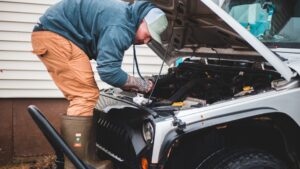
Subaru Forester owners frequently report problems that develop through repetition rather than a single, obvious breakdown. These issues may involve drivability inconsistencies, warning indicators, or electronic systems that appear corrected after service but return during normal use. When the same concerns resurface after dealership repairs, confidence in the vehicle’s reliability can quickly decline. Over time, repeated disruptions often point to unresolved warranty defects rather than isolated incidents.
California Lemon Law evaluates these situations by looking at the entire repair pattern instead of individual service visits. Mechanical failures, powertrain irregularities, and electrical system instability can qualify when they continue returning despite authorized repair attempts. Subaru Forester lemon law lawyers review how these problems affected reliability, time out of service, and overall vehicle use. Recognizing recurring issues early helps ensure the repair history accurately reflects the true scope of the defect.
Drivability and Powertrain Issues That Disrupt Everyday Use
Drivability and powertrain problems in the Subaru Forester often appear as hesitation, uneven acceleration, or inconsistent response during routine driving. These symptoms may be difficult to duplicate during short diagnostic visits, which can result in repairs that address surface behavior instead of the underlying cause. Over time, the same problems may return during commuting, highway driving, or changes in terrain. When drivability issues persist after multiple repairs, they often indicate unresolved mechanical or control system defects.
Hesitation and Inconsistent Acceleration Complaints
Some Forester owners experience delayed throttle response or fluctuating power when accelerating. These behaviors reduce predictability and make the vehicle feel unreliable in everyday traffic situations. When hesitation continues returning after multiple warranty repairs, it suggests the underlying defect was never fully corrected.
How Repeated Acceleration Problems Support Lemon Law Review
Service records showing ongoing acceleration complaints across multiple visits demonstrate that the manufacturer had repeated opportunities to resolve the same issue. When those attempts fail to restore consistent operation, the repair history supports evaluation under California Lemon Law.
Transmission and Drivetrain Engagement Irregularities
Transmission or drivetrain related issues may include rough gear changes, delayed engagement, or inconsistent behavior under moderate load. These problems interrupt smooth operation and can increase concern during normal driving. When drivetrain complaints return after service, they often point to deeper mechanical or calibration related defects.
Why Ongoing Drivetrain Issues Affect Reliability
Persistent drivetrain irregularities interfere with predictable operation and long term dependability. These disruptions are often considered significant when assessing lemon law eligibility.
Electrical and System Malfunctions That Reappear During Normal Driving
Electrical system problems in the Subaru Forester frequently involve warning lights, sensor faults, or electronic features behaving unpredictably. These issues may reset temporarily after diagnostics or software updates, only to return without warning. Because modern Forester models rely heavily on integrated electronics for safety and vehicle management, repeated failures can disrupt daily use. Persistent electrical instability often reflects unresolved communication or control module issues.
Warning Lights and Sensor Related Errors
Owners may notice dashboard warning indicators illuminating intermittently without clear explanation. These alerts often disappear after service but return later under similar driving conditions. Repeated warning lights suggest unresolved sensor or system communication problems.
How Warning Light Patterns Establish Defect History
When the same warning indicators reappear across multiple repair visits, they create a documented timeline showing the defect was never corrected. This recurring pattern strengthens lemon law evaluation.
Infotainment and Control System Malfunctions
Infotainment screens may freeze, reboot, or lose functionality, affecting navigation, connectivity, or climate controls. These malfunctions can return shortly after updates or component replacements. When control systems remain unreliable, they contribute to an ongoing electrical defect pattern.
Why Persistent Control System Issues Matter Legally
Integrated electronic controls are central to daily vehicle operation. Continued failures indicate the system is not functioning as warranted, which can support lemon law eligibility when repairs do not deliver lasting results.
When Subaru Forester Repair Patterns Signal Warranty Failure
Subaru Forester repair patterns can signal warranty failure when the same problems continue resurfacing despite multiple dealership attempts to fix them. California Lemon Law does not focus on whether repairs were attempted, but on if those repairs actually resolved the defect. When a Forester cycles through service visits for similar drivability, mechanical, or electrical issues without lasting correction, the pattern itself becomes legally significant. This evaluation looks at results over time rather than isolated repair efforts.
For many Forester owners, repair patterns include brief improvement followed by a return of the same symptoms during normal driving. California Lemon Law treats these cycles as evidence that the vehicle failed to conform to warranty standards. Subaru Forester lemon law lawyers analyze how often repairs were performed, how long improvements lasted, and how disruptive the cycle became. This analysis helps determine whether the manufacturer met its obligations or repeatedly fell short.
How California Lemon Law Interprets Repeating Repair Cycles
California Lemon Law evaluates repeating repair cycles by focusing on whether the underlying defect was corrected, not how many parts were replaced. A manufacturer may attempt multiple fixes, but if the issue continues returning, those efforts do not satisfy warranty requirements. The law emphasizes functional results and consistent performance. This distinction is especially important in cases involving intermittent or hard to diagnose Forester defects.
Treating Cyclical Repairs as Proof of an Unresolved Defect
When a problem improves briefly after service and then returns under similar driving conditions, the law treats that cycle as evidence the defect remains unresolved. Different repair approaches or changing explanations do not reset the analysis. What matters is that the problem continued occurring.
Why Repair Cycles Carry Legal Weight
A documented cycle of temporary improvement followed by recurrence shows that warranty compliance was never achieved. This pattern demonstrates the manufacturer had multiple chances to fix the same defect and failed to provide a lasting solution.
Distinguishing Genuine Repairs From Temporary Adjustments
Some dealership actions reduce symptoms without addressing the root cause of the defect. California Lemon Law does not treat these short term adjustments as successful repairs. The focus remains on if normal operation was restored.
How Temporary Adjustments Affect Lemon Law Eligibility
When symptoms return shortly after service, it indicates the defect was never corrected. This repeated failure strengthens the argument that the manufacturer did not meet warranty obligations.
How Repair Frequency and Timing Influence Lemon Law Evaluation
The timing and frequency of repair visits provide insight into whether problems were resolved or simply managed temporarily. Frequent returns to the dealership soon after repairs often indicate unresolved defects rather than unrelated issues. California Lemon Law considers if the manufacturer had a reasonable opportunity to repair the vehicle within a practical timeframe. Persistent disruption weighs heavily in this evaluation.
Evaluating How Quickly Problems Return After Repairs
Issues that reappear shortly after service suggest that repairs addressed surface symptoms instead of underlying causes. Mileage and time between visits help show if fixes were durable. Short intervals point to ongoing malfunction.
Why Rapid Recurrence Matters Under the Law
Quick recurrence demonstrates that the vehicle could not maintain reliable operation during normal use. This instability supports a finding of warranty failure.
Assessing the Cumulative Impact of Repeated Service Visits
Even when individual repairs seem minor, their combined effect can significantly disrupt ownership. Multiple service appointments create ongoing inconvenience, lost time, and uncertainty about reliability. California Lemon Law considers this cumulative burden.
How Cumulative Repairs Signal Warranty Failure
A pattern of repeated service visits shows the vehicle failed to provide dependable transportation over time. This ongoing disruption supports lemon law qualification.
How Subaru Forester Lemon Law Lawyers Guide Claims From Repair to Resolution
Subaru Forester lemon law lawyers guide owners through a structured legal process that begins once repeated repairs stop producing reliable results. Many owners feel stuck between ongoing dealership visits and uncertainty about what steps actually move the situation forward. Lemon law lawyers step in to evaluate whether the repair history shows a pattern of unresolved defects under California Lemon Law standards. This guidance replaces guesswork with a clear legal direction.
From the initial review through final resolution, Subaru Forester lemon law lawyers manage each phase of the claim with defined objectives. The focus is not simply on filing paperwork, but on building a case that reflects how the vehicle actually behaved over time. By controlling documentation, communication, and legal strategy, lawyers help move claims out of repair limbo and toward enforceable outcomes. This progression ensures the process remains focused and effective.
Reviewing Repair History to Establish a Legal Starting Point
The first step in guiding a claim involves a detailed review of the Forester’s repair history to determine whether legal thresholds may be met. Lawyers examine service records to see how often problems returned, how repairs were handled, and if any lasting correction occurred. This review establishes whether the situation remains a warranty issue or has progressed into a lemon law matter. Accuracy at this stage shapes everything that follows.
Identifying Patterns That Signal Unresolved Defects
Service records are analyzed to uncover recurring symptoms, repeated system failures, or issues that reappear under similar driving conditions. Even when repair descriptions vary, lawyers focus on continuity in vehicle behavior. This pattern recognition helps define the scope of the defect.
Why Early Pattern Identification Matters
Recognizing unresolved defect patterns early prevents the claim from being weakened by fragmented documentation. It ensures the legal strategy is built around the full history rather than isolated repair visits.
Determining Whether Repair Efforts Were Legally Sufficient
Lawyers evaluate if the manufacturer was given reasonable opportunities to repair the defect under California Lemon Law. This includes reviewing how many attempts were made and whether those attempts delivered lasting results. Repairs that only provided short term improvement are assessed accordingly.
How Repair Sufficiency Affects Claim Direction
When repairs fail to restore consistent operation, the claim can move beyond warranty management into legal enforcement. This determination sets the foundation for the remainder of the process.
Building the Claim and Engaging the Manufacturer
Once eligibility is established, Subaru Forester lemon law lawyers begin formally building the claim. This stage involves organizing evidence, preparing defect summaries, and aligning facts with statutory requirements. The goal is to present a claim that demands meaningful manufacturer response rather than continued delay.
Structuring Evidence Into a Clear Legal Narrative
Repair timelines, service outcomes, and defect behavior are organized into a cohesive narrative. This structure shows how problems developed, returned, and remained unresolved over time. A clear narrative strengthens credibility.
Why Narrative Structure Influences Manufacturer Response
Manufacturers are less able to dismiss claims when evidence is presented logically and consistently. Clear structure reduces ambiguity and forces engagement with the facts.
Managing All Manufacturer Communication
Lawyers take over all communication with the manufacturer to maintain consistency and legal control. This prevents mixed messages or informal statements from weakening the claim. Centralized handling keeps the process focused.
How Legal Communication Protects the Claim
Controlled communication ensures that every exchange supports the legal strategy. This approach reduces opportunities for delay or deflection.
Moving the Claim Toward Resolution
The final phase involves pushing the claim toward a resolution that reflects the impact of the unresolved defects. Subaru Forester lemon law lawyers evaluate available remedies and pursue the outcome supported by the evidence. This stage brings closure to a process that often feels stalled for owners.
Evaluating Appropriate Lemon Law Remedies
Lawyers assess whether a repurchase, replacement, or cash settlement best addresses the defect history. This evaluation considers use, reliability, and long term impact. Remedies are chosen strategically.
Why Remedy Selection Matters
Selecting the correct remedy helps ensure the resolution aligns with the owner’s experience. It prevents outcomes that fail to address the true scope of the problem.
Maintaining Pressure Until Resolution Is Reached
Cases are actively managed to prevent unnecessary delays or stalled negotiations. Follow up, deadlines, and responses are monitored closely. This consistency keeps the claim moving forward.
How Ongoing Case Management Drives Results
Active oversight limits manufacturer stalling and keeps resolution within reach. Consistent pressure helps bring the process to a meaningful conclusion.
Why You Should Choose America’s Lemon Lawyer for Your Subaru Forester Lemon Law Claim

Choosing the right legal representation matters when a Subaru Forester continues experiencing unresolved problems despite repeated warranty repairs. Many Forester claims involve recurring defects that dealerships attempt to manage rather than permanently fix, which leaves owners stuck in an ongoing repair cycle. America’s Lemon Lawyer focuses on identifying when that cycle crosses the legal threshold under California Lemon Law and requires manufacturer accountability. This approach ensures the claim is built around real outcomes instead of repair promises.
America’s Lemon Lawyer also stands out by taking full ownership of the process once a claim begins. Forester owners are not expected to organize records, communicate with the manufacturer, or navigate shifting explanations on their own. The firm applies structure, consistency, and legal pressure from the start to move the claim toward resolution. This level of involvement helps prevent delays and protects the strength of the case.
How America’s Lemon Lawyer Strengthens Forester Lemon Law Claims
America’s Lemon Lawyer strengthens Subaru Forester lemon law claims by focusing on defect patterns, repair outcomes, and legal standards that manufacturers are required to meet. Each claim is built to show not only that repairs occurred, but that those repairs failed to restore reliable operation. This preparation ensures the case is grounded in enforceable warranty failure rather than subjective frustration. Strong foundation work increases leverage throughout the process.
Building Claims Around Recurring Defects Rather Than Isolated Repairs
Repair histories are analyzed to identify repeated symptoms, unresolved system behavior, and issues that return under similar driving conditions. Even when dealerships describe problems differently at each visit, America’s Lemon Lawyer looks for continuity that reveals the same underlying defect. This pattern based analysis prevents manufacturers from minimizing the scope of the problem.
Why Defect Pattern Analysis Improves Claim Strength
Demonstrating a consistent defect pattern shows that the manufacturer had multiple opportunities to fix the same issue and failed to deliver a lasting repair. This continuity directly supports lemon law eligibility under California standards.
Organizing Service Records Into a Clear Legal Timeline
Service records are organized by date, mileage, and repair outcome to show how problems returned over time. This timeline highlights temporary improvements followed by renewed malfunction during normal use. Clear timelines remove ambiguity from the claim.
How Timelines Establish Manufacturer Responsibility
A structured repair timeline shows exactly when defects appeared, how often they resurfaced, and how repair attempts failed. This clarity makes it harder for manufacturers to dispute warranty failure.
How America’s Lemon Lawyer Communicates With the Manufacturer
Manufacturer communication often becomes a major obstacle for Subaru Forester owners dealing with repeated repairs. America’s Lemon Lawyer removes that burden by taking over all interaction and ensuring every exchange is accurate, consistent, and legally grounded. This control prevents confusion and protects the integrity of the claim. Owners are no longer required to justify their experience repeatedly.
Managing All Manufacturer Contact Through Legal Channels
All correspondence with the manufacturer is handled directly by the legal team using organized documentation and clear legal positions. This prevents informal explanations or inconsistent statements from weakening the case. Centralized communication keeps discussions focused on warranty obligations.
Why Centralized Communication Protects the Claim
When communication flows through a single legal channel, manufacturers have fewer opportunities to delay or deflect responsibility. This structure strengthens the claim from start to finish.
Presenting Evidence in a Way Manufacturers Must Address
Repair histories, defect summaries, and legal arguments are presented in a structured format that requires meaningful response. This presentation limits the ability to dismiss concerns as minor or subjective. Manufacturers are compelled to engage with documented facts.
How Strategic Presentation Improves Outcomes
Clear and professional presentation increases pressure for serious evaluation and timely resolution. This approach often leads to more favorable outcomes for Subaru Forester owners.
Speak With Our Subaru Forester Lemon Law Lawyers Today
When a Subaru Forester continues returning to the dealership without a lasting repair, it becomes harder to justify additional service visits that never resolve the underlying issue. Ongoing defects can create uncertainty about whether the vehicle can be relied on long term. Subaru Forester lemon law lawyers help clarify if these repeated problems meet California Lemon Law standards and if legal action is now the appropriate next step.
America’s Lemon Lawyer handles Subaru Forester lemon law claims from initial review through final resolution, allowing owners to step away from manufacturer delays and shifting explanations. America’s Lemon Lawyer focuses on securing results that reflect the real impact of unresolved defects, whether that means a buyback, replacement vehicle, or cash compensation. If your Forester is having repeated problems, call America’s Lemon Lawyer at (818)421-2327 or visit our contact page to speak with a Subaru Forester lemon law lawyer and learn how we can help you navigate the California Lemon Law process.