
Tesla Model 3 Performance Lemon Law Lawyers
Tesla Model 3 Performance owners across California expect cutting-edge technology, rapid acceleration, and reliable electric performance. When a high-performance Tesla repeatedly suffers from battery issues, software failures, power loss, charging problems, or unresolved warning alerts, the ownership experience quickly becomes stressful and uncertain. Many drivers begin searching for Tesla Model 3 Performance Lemon Law Lawyers after multiple Tesla service visits fail to fix the same defect. California Lemon Law exists to protect consumers when a manufacturer cannot repair a substantial vehicle problem within a reasonable number of attempts, even when the vehicle is electric or software-driven.
The Tesla Model 3 Performance is engineered for speed and advanced driving features, but recurring defects can interfere with safety, daily usability, and long-term value. Problems involving battery degradation, motor performance, infotainment crashes, Autopilot malfunctions, or repeated over-the-air updates that do not resolve the issue often indicate a deeper defect. When these problems continue under warranty, California law may require Tesla to provide a buyback, replacement, or cash compensation. Tesla owners do not have to accept ongoing repairs that never lead to a permanent solution.
America’s Lemon Lawyer helps Tesla Model 3 Performance owners throughout California understand their rights and take action when Tesla fails to honor its warranty obligations. Our firm focuses exclusively on Lemon Law and has recovered millions for consumers facing repeated vehicle defects. If your Tesla Model 3 Performance continues to malfunction despite multiple repair attempts, you can speak with experienced California Lemon Law attorneys today. Call (877) 536-6620 or visit our contact page to request a free consultation and find out whether your Tesla qualifies for Lemon Law protection.
California Tesla Model 3 Performance Owners Facing Repeated Vehicle Defects
Tesla Model 3 Performance drivers throughout California rely on their vehicles for daily commuting, highway travel, and high-speed performance driving. When a Tesla Model 3 Performance begins to experience recurring defects, the impact reaches far beyond inconvenience. Ongoing problems with software stability, battery performance, acceleration, or vehicle warnings can interfere with safe operation and long-term reliability. Many owners reach a breaking point after multiple Tesla service appointments fail to resolve the same issue, which is often when they begin searching for legal guidance under California Lemon Law.
California Lemon Law protects Tesla owners when a manufacturer cannot repair a substantial defect within a reasonable number of attempts during the warranty period. These protections apply to electric vehicles and performance models just as they do to gas-powered vehicles. When Tesla repairs do not result in a permanent fix, owners may have the right to pursue compensation, a buyback, or a replacement vehicle rather than continuing an endless cycle of service visits.
Why Tesla Model 3 Performance Drivers Search For Lemon Law Lawyers In California
Tesla Model 3 Performance owners typically seek Lemon Law attorneys after repeated repair attempts fail to resolve serious vehicle issues. Many drivers initially trust that Tesla’s service will correct the problem through diagnostics, parts replacement, or software updates. When the same defect returns, frustration builds, and confidence in the vehicle declines. At this stage, owners often realize the problem may qualify as a lemon under California law.
The Tesla Model 3 Performance is a premium vehicle with advanced systems that depend heavily on software integration and high-voltage components. When these systems malfunction repeatedly, the vehicle may become unpredictable or unsafe to drive. California drivers turn to America’s Lemon Lawyer to determine whether their repair history meets the legal standards required for compensation.
High-Performance Tesla Vehicles And Ongoing Reliability Concerns
High-performance Tesla vehicles place additional strain on motors, battery systems, and software controls. The Model 3 Performance is designed for rapid acceleration and aggressive driving capability, which makes reliability especially important. When defects appear in a performance-focused vehicle, the impact on safety and drivability becomes more serious.
Owners often report that issues worsen over time rather than improve. Performance loss, delayed acceleration, or warning alerts can create anxiety during daily driving and highway use. These concerns motivate many Tesla Model 3 Performance owners to explore their Lemon Law rights.
How Repeated Software And Powertrain Issues Affect Daily Driving
Recurring software glitches and powertrain defects can affect throttle response, regenerative braking, steering feel, and overall vehicle control. When these issues return after Tesla service visits, drivers may hesitate to rely on their vehicle for routine transportation. California Lemon Law recognizes that defects affecting everyday usability and performance may qualify as substantial defects.
When Tesla Dealership Repairs Fail To Resolve Recurring Problems
Tesla service centers often attempt to correct issues through diagnostics, component replacement, or over-the-air updates. While these efforts may temporarily reduce symptoms, they do not always resolve the underlying defect. When a vehicle returns to service with the same problem, owners begin to question whether Tesla can actually fix the issue.
Repeated repair attempts that fail to correct the defect are a key factor in Lemon Law eligibility. California law focuses on results, not effort. If the defect continues to exist after multiple repair attempts, the manufacturer may be required to provide compensation.
Why Temporary Fixes Often Do Not Correct Performance Defects
Temporary fixes such as software resets or minor adjustments may mask symptoms without addressing the root cause. Performance defects often involve deeper system-level failures that require more extensive repair. When Tesla relies on short-term solutions that do not last, the defect remains unresolved. This pattern frequently supports a Lemon Law claim for Tesla Model 3 Performance owners in California.
Common Tesla Model 3 Performance Defects That Lead To Lemon Law Claims
Tesla Model 3 Performance owners across California report a range of recurring defects that interfere with safety, performance, and daily reliability. While Tesla vehicles rely on advanced electric and software driven systems, repeated failures within these systems often signal a substantial defect under California Lemon Law. When the same issue continues after multiple service visits or over the air updates, owners may have grounds to pursue a Lemon Law claim rather than tolerate ongoing problems.
Defects involving the battery, electric motors, charging systems, and onboard software are among the most common reasons Tesla Model 3 Performance owners seek legal guidance. These issues frequently return even after Tesla service attempts repairs, leaving owners with unreliable vehicles and unanswered questions about long term safety and value.
Battery And High Voltage System Problems In Tesla Model 3 Performance Vehicles
The battery and high-voltage system are the core components of the Tesla Model 3 Performance. When these systems malfunction, the vehicle may suffer from reduced range, charging failures, or unexpected warning alerts. Because the battery system directly affects drivability and safety, recurring battery-related defects often qualify as substantial under California Lemon Law.
Many owners report that Tesla service attempts to resolve these issues through diagnostics or software adjustments, only for the same problems to reappear weeks later. Persistent battery and high voltage defects create serious concerns for California drivers who rely on their vehicles for daily transportation.
Battery Degradation And Unexpected Range Loss
Some Tesla Model 3 Performance owners experience rapid battery degradation or sudden drops in driving range that are inconsistent with normal use. These issues may appear gradually or occur without warning, making it difficult for drivers to plan commutes or longer trips.
How Battery Issues Interfere With Daily Commutes And Charging Reliability
Unexpected range loss can force drivers to recharge more frequently and disrupt work schedules or family responsibilities. When battery degradation continues after Tesla service visits, it may indicate a deeper defect rather than normal wear. California Lemon Law considers how these issues impair daily use when evaluating eligibility.
Charging Failures And Inconsistent Supercharging Performance
Charging problems are another frequent issue reported by Tesla Model 3 Performance owners. These problems may include slow charging speeds, interrupted charging sessions, or the inability to charge at certain stations.
Why Repeated Charging Errors Often Qualify Under California Lemon Law
Charging failures directly limit the vehicle’s ability to function as intended. When these issues persist after multiple repair attempts, they often meet the legal standard for a substantial defect because they interfere with basic vehicle operation.
Motor And Acceleration Defects In Tesla Model 3 Performance Models
The dual motor system in the Tesla Model 3 Performance is designed to deliver rapid acceleration and precise control. When motor-related defects occur, performance and safety may be compromised. Many owners report sudden power loss, reduced acceleration, or warning messages related to motor performance.
These issues can be especially alarming in a high-performance vehicle that is expected to respond immediately to driver input.
Sudden Power Loss And Reduced Acceleration
Some drivers experience moments where the vehicle fails to accelerate as expected or loses power unexpectedly. These incidents may occur during highway driving or merging, creating dangerous situations.
How Performance Failures Create Safety Risks On California Roads
Reduced acceleration or power loss limits a driver’s ability to react quickly in traffic. When these problems continue after Tesla service visits, they raise serious safety concerns that often support a Lemon Law claim.
Whining Noises And Motor Failure Warnings
Unusual noises or motor-related warning alerts may indicate internal motor defects. Tesla service may attempt component adjustments or monitoring, but these efforts do not always resolve the issue permanently.
Why Motor Defects Often Return After Tesla Service Visits
Motor defects often involve complex electrical and mechanical components that require precise diagnosis. When Tesla service does not identify the root cause, symptoms may temporarily improve before returning, which strengthens a Lemon Law claim.
Software And Infotainment Malfunctions In Tesla Model 3 Performance Vehicles
Tesla vehicles rely heavily on software to control nearly every function, from driving systems to entertainment features. When software malfunctions occur repeatedly, the vehicle may become unpredictable or unsafe to operate.
Tesla often relies on over-the-air updates to address software issues, but these updates do not always resolve deeper system problems.
Screen Freezing And System Reboots
Many Tesla Model 3 Performance owners report frozen touchscreens, delayed responses, or sudden system reboots. Because the touchscreen controls essential vehicle functions, these failures can interfere with safe operation.
How Software Failures Disrupt Essential Vehicle Controls
When the touchscreen becomes unresponsive, drivers may lose access to climate controls, navigation, or driving settings. Repeated occurrences of these issues after updates often indicate a qualifying defect under California Lemon Law.
Autopilot And Driver Assistance Errors
Advanced driver assistance features are a key selling point of the Tesla Model 3 Performance. When these systems malfunction, drivers may receive warnings, experience disengagements, or lose confidence in vehicle safety features.
Why Advanced Driver Features Malfunctions Raise Lemon Law Concerns
Driver assistance defects affect safety and reliability. When Tesla cannot correct these issues after multiple attempts, California Lemon Law may require the manufacturer to offer compensation or a buyback rather than continue ineffective repairs.
How California Lemon Law Protects Tesla Model 3 Performance Owners
California provides some of the strongest consumer protections in the country for vehicle owners dealing with repeated defects. These protections apply fully to electric vehicles, including high-performance models like the Tesla Model 3 Performance. When Tesla cannot repair a substantial defect within a reasonable number of attempts during the warranty period, California Lemon Law may require the manufacturer to provide a buyback, replacement, or financial compensation. Owners do not have to continue accepting repairs that fail to correct the underlying problem.
Tesla Model 3 Performance owners often assume the Lemon Law applies only to traditional mechanical failures. In reality, California law also covers software defects, battery issues, charging failures, and motor performance problems when they impair use, value, or safety. Understanding how these protections work helps owners recognize when it is time to pursue legal relief instead of returning to the service center again.
Understanding The Song Beverly Consumer Warranty Act In California
The Song-Beverly Consumer Warranty Act is the foundation of California’s Lemon Law. This law requires manufacturers to honor their warranties and provide vehicles that function as promised. When a vehicle repeatedly fails to meet warranty standards and the manufacturer cannot fix the problem, the law shifts responsibility onto the manufacturer to make the consumer whole.
Tesla vehicles are not exempt from these obligations. The law applies to vehicles purchased or leased in California and protects Tesla Model 3 Performance owners from ongoing defects that Tesla cannot permanently repair.
What California Law Considers A Substantial Vehicle Defect
A substantial defect affects the vehicle’s use, safety, or value. In a Tesla Model 3 Performance, this may include battery degradation, power loss, charging failures, repeated software crashes, or driver assistance malfunctions. The defect does not need to make the vehicle completely undrivable to qualify.
How Safety And Performance Issues Meet Lemon Law Standards
Defects that interfere with acceleration, braking, charging, or system controls can create safety risks even if the vehicle still operates. California Lemon Law recognizes that ongoing safety and performance concerns qualify as substantial defects when they continue after repair attempts.
Reasonable Repair Attempts For Tesla Model 3 Performance Defects
California Lemon Law does not require an exact number of repair attempts. Instead, the law looks at whether Tesla had a reasonable opportunity to fix the problem. The number of attempts required depends on the severity of the defect and how it affects the vehicle. Tesla Model 3 Performance owners often qualify after fewer attempts when the defect involves safety or critical performance systems.
When Multiple Tesla Service Visits Are Enough To Qualify
Repeated visits for the same issue, even when Tesla performs diagnostics or updates, may satisfy the reasonable repair attempt requirement. Owners are not required to wait indefinitely for Tesla to find a solution.
Why Software Updates Still Count As Repair Attempts
Over-the-air updates and software patches are considered repair efforts under California law. If Tesla applies updates multiple times and the defect returns, these attempts count toward Lemon Law eligibility.
Out Of Service Time And Tesla Repair Delays
Extended time spent in service is another factor that strengthens a Lemon Law claim. When a Tesla Model 3 Performance is unavailable for use due to repeated repairs, the defect may substantially impair the owner’s ability to rely on the vehicle.
How Extended Repair Time Strengthens A Lemon Law Claim
When a vehicle is out of service for an extended period, even if repairs are ongoing, California law recognizes that the owner has lost the benefit of the vehicle. This loss of use often supports Lemon Law protection and increases the likelihood of compensation.
Buyback And Compensation Options For Tesla Model 3 Performance Lemon Law Cases
When a Tesla Model 3 Performance qualifies as a lemon under California law, the manufacturer may be required to provide meaningful compensation rather than continuing unsuccessful repair attempts. California Lemon Law focuses on restoring the consumer to the position they would have been in had the defective vehicle never been sold. For Tesla owners, this often means a manufacturer buyback, a replacement vehicle, or a financial settlement that reflects the impact of the recurring defect.
Many Tesla Model 3 Performance owners are unaware of the full range of remedies available to them. Understanding how buybacks and settlements work helps owners make informed decisions about whether to return the vehicle or pursue compensation while keeping it.
Tesla Vehicle Buybacks Under California Lemon Law
A buyback is one of the most common remedies in successful Tesla Lemon Law cases. When Tesla is required to repurchase a defective Model 3 Performance, the manufacturer must reimburse the owner for qualifying costs associated with the vehicle.
Buybacks are designed to remove the defective vehicle from the consumer’s possession and provide financial relief when repairs fail.
What Costs Tesla May Be Required To Refund
In a buyback, Tesla may be required to refund the purchase price or lease payments, registration fees, taxes, and other eligible expenses. The goal is to compensate the owner for the financial burden caused by the defective vehicle.
How Mileage Offset Is Calculated For Tesla Owners
California law allows Tesla to deduct a mileage offset based on how many miles the vehicle had at the time of the first repair attempt. This offset reflects reasonable use before the defect appeared. Even with this deduction, many Tesla Model 3 Performance owners recover a substantial portion of their investment through a buyback.
Cash And Keep Settlements For Tesla Model 3 Performance Owners
In some cases, Tesla owners may prefer to keep their vehicle while receiving financial compensation. A cash and keep settlement allows the owner to retain the Tesla while receiving a negotiated payment for the diminished value and inconvenience caused by the recurring defect. This option may appeal to owners who want to keep the vehicle but believe the defect reduces its value or reliability.
When Keeping The Vehicle May Be The Better Option
Keeping the vehicle may make sense when the defect is manageable but persistent, or when the owner prefers compensation rather than replacing the car.
How Cash Settlements Are Negotiated With Tesla
Cash settlements are negotiated based on the severity of the defect, the number of repair attempts, and how the problem affects use and value. Strong documentation and legal representation often increase the likelihood of a favorable settlement for Tesla Model 3 Performance owners.
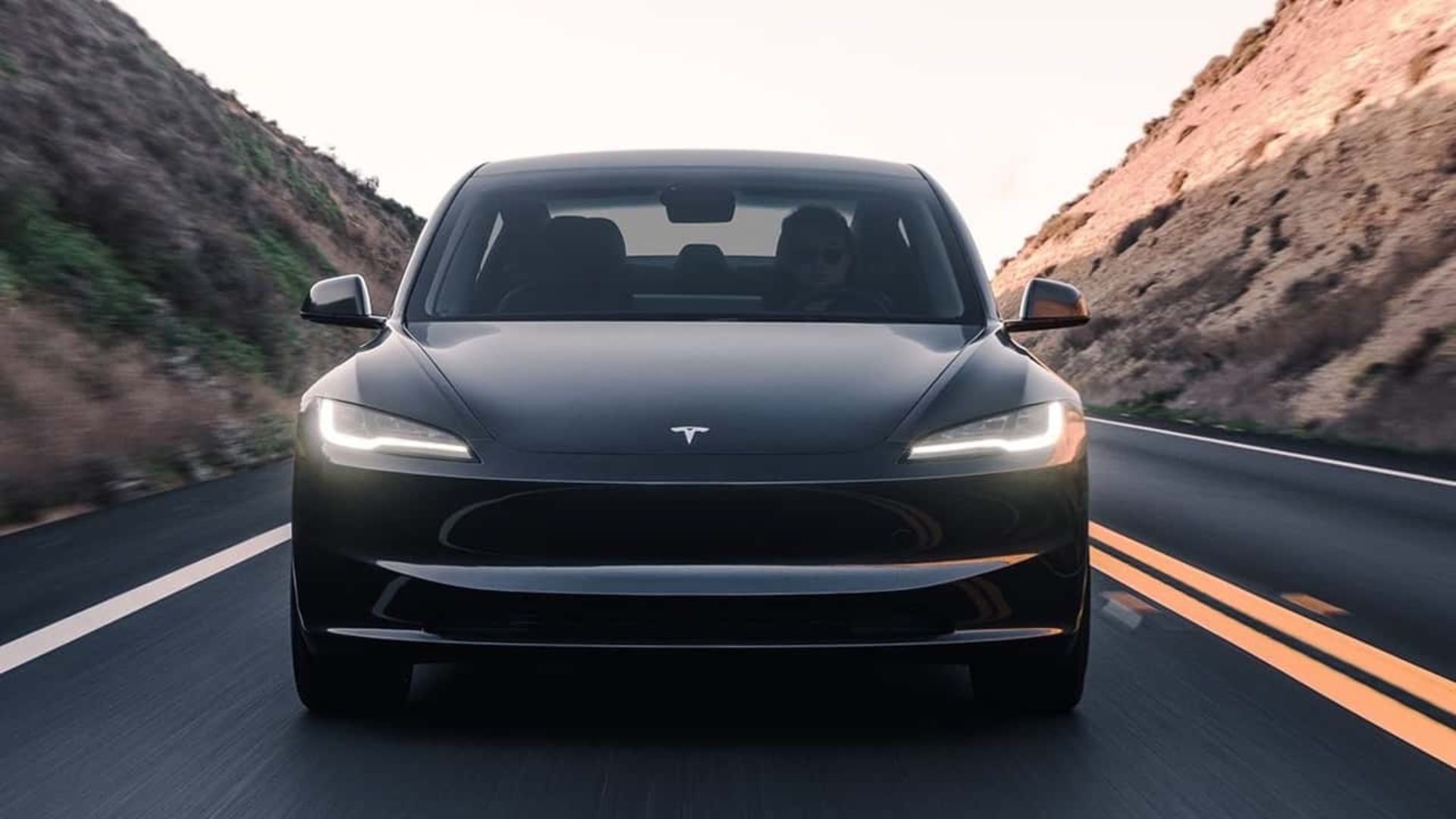
Contact Tesla Model 3 Performance Lemon Law Lawyers In California Today
Dealing with repeated Tesla Model 3 Performance defects can be frustrating, time-consuming, and stressful, especially when multiple service visits fail to deliver a permanent fix. California Lemon Law exists to protect consumers from being trapped with a vehicle that does not perform as promised. If your Tesla continues to experience battery issues, software failures, charging problems, power loss, or other recurring defects under warranty, you may have the right to compensation rather than continued repairs.
America’s Lemon Lawyer focuses exclusively on California Lemon Law and has helped thousands of consumers hold manufacturers accountable for defective vehicles. Our team understands how Tesla warranty claims work, how software-based repairs are evaluated, and how to build strong cases that push manufacturers toward fair resolution. We handle the entire process from reviewing your repair history to negotiating directly with Tesla, so you do not have to manage the legal burden on your own.
If you believe your Tesla Model 3 Performance may qualify under California Lemon Law, now is the time to take action. You can contact us through our online contact page or call (877) 536-6620 to schedule your free consultation. Speaking with experienced Tesla Model 3 Performance Lemon Law Lawyers today can help you protect your rights and pursue the compensation you deserve.