
Ford F-250 Lemon Law Lawyers
Ford F-250 owners across California rely on their trucks for demanding work, towing, and daily travel. When repeated mechanical problems continue to disrupt that confidence, the California Lemon Law offers real protection. Our Ford F-250 Lemon Lawyers at America’s Lemon Lawyer help truck owners pursue refunds, replacements, or fair compensation when dealerships cannot resolve serious defects. Many drivers report ongoing engine failures, transmission issues, and DEF system problems that create unsafe conditions on California highways and rural roads. For additional insight into how mechanical failures develop in heavy duty trucks, you may find the diagnostic resources on RepairPal helpful. If your F-250 continues to break down after multiple repair attempts, you deserve legal support that protects your rights and holds the manufacturer accountable. Across the state, Ford F-250 owners experience breakdowns on steep grades, agricultural valleys, and coastal routes that place heavy strain on trucks already struggling with mechanical defects. Drivers often lose valuable time and income while waiting for dealerships to complete repairs that never solve the underlying problem. We understand how disruptive these failures can be, especially for people who depend on their trucks for work in farming communities, construction sites, and remote counties where reliable transportation is necessary for daily life. Our firm steps in to review every repair order, communicate with Ford, and guide you through the process with clarity and steady support.
California law offers strong remedies for owners of defective Ford F-250 trucks. However, many drivers do not realize they may qualify for compensation until months of repeated repairs have passed. We encourage truck owners to reach out as soon as they notice a pattern of unresolved issues. Early action allows us to preserve important documents, evaluate repair history, and determine whether Ford failed to meet its obligations under the warranty. When you contact America’s Lemon Lawyer, you gain a legal team that understands the challenges of owning a defective heavy duty truck and knows how to pursue the relief you deserve. If your Ford F-250 continues to show the same defects after multiple repair attempts, you do not need to handle this situation on your own. Call (877) 536-6620 today for a free consultation. We are ready to help you protect your rights and move forward with confidence.
Qualifying Your Ford F-250 As A Lemon Under California Law
California truck owners rely on their Ford F-250 for strength, durability, and performance on demanding terrain. When the truck develops recurring mechanical problems that do not improve after several dealership repair attempts, state law may classify the vehicle as a qualifying lemon. Our Ford F-250 Lemon Lawyers at America’s Lemon Lawyer help drivers understand when the law applies and what remedies are available. Many owners begin by reviewing our internal California Lemon Law Attorneys page, which introduces important consumer protections that guide the legal process and outline the steps required to move forward. This early knowledge helps drivers make informed decisions about their rights.
A Ford F-250 often serves as a work truck, a towing vehicle, or a daily transportation tool in counties with long rural routes, steep elevations, and heavy agricultural activity. Breakdowns during critical workdays or long periods of downtime create serious financial pressure. These losses matter, especially when the defect affects the use, value, or safety of the truck. California law recognizes how disruptive these problems can be. That is why our team reviews repair histories, evaluates mechanical patterns, and prepares claims that reflect the full impact of the defect on the owner’s life and livelihood.
Repair Attempts That Support A Ford F-250 Lemon Claim
Repeated repair attempts are one of the strongest indicators that a Ford F-250 may qualify as a lemon under California law. When the same defect returns after several dealership visits, the law often views this as evidence that the manufacturer has failed to provide a functional product. Many owners initially assume that the dealership simply needs one more opportunity to fix the truck, but ongoing failures show a deeper issue. These patterns matter because they reveal that the defect is not isolated and that it continues to affect the vehicle’s overall performance.
Owners frequently deal with engine hesitation, turbocharger trouble, transmission shudder, electronic malfunctions, DEF system warnings, and 4×4 engagement issues. Each attempt to repair these problems adds to the record that supports a lemon claim. When the dealership cannot correct the defect despite multiple visits, the evidence typically shifts in the owner’s favor. We help organize these records so the progression of the mechanical failures is clear, consistent, and persuasive.
Documenting Dealership Repair Visits For A Ford F-250 Lemon Case
Every dealership visit provides valuable documentation that strengthens a Ford F-250 lemon law claim. Service invoices, repair notes, and diagnostic reports create an objective record of the defect. These details help show how the problem developed over time and how the dealership responded to it. Even small details can matter, including the symptoms reported, parts replaced, and the time required for each repair. We encourage owners to keep copies of every service document because these records help establish a complete and credible timeline.
In many cases, dealership paperwork reveals repeating codes, failed repair attempts, and short lived improvements that quickly deteriorate. These patterns show that the dealership did not fix the core problem and that further attempts are unlikely to succeed. This documentation is critical because the manufacturer may argue that the defect is minor or that the owner did not provide adequate repair opportunities. A clear record eliminates those arguments and helps protect the owner’s right to relief.
How Detailed Documentation Strengthens Lemon Qualification
Detailed documentation allows us to pinpoint the exact moments when the Ford F-250 showed symptoms of a deeper defect. This record helps demonstrate that the issue was not temporary and that it persisted throughout the warranty period. When the paperwork shows multiple visits for the same concern, it provides a strong foundation for lemon qualification. The more accurate and complete the records, the easier it becomes to show that the manufacturer had every opportunity to correct the defect.
These documents also prevent the manufacturer from minimizing the impact of the problem. Owners often describe symptoms more clearly than service advisors, and written notes help preserve these explanations. A well organized repair history gives us the ability to highlight the repeated nature of the defect and how it affected the truck’s safety and usefulness. This clarity often leads to better results for the owner during the negotiation process.
Continued Defects That Impact Your Ford F-250 Lemon Claim
Recurring defects in a Ford F-250 often point to mechanical failures that go beyond ordinary wear. When the same issue returns after each visit, it suggests that the dealership did not identify or correct the underlying cause. These continued defects disrupt daily routines and create unsafe conditions on highways, steep grades, and rural roads where reliability is essential. Owners need a truck that performs consistently under load, during travel, and in various weather conditions.
Continued mechanical failures often reduce towing capability, acceleration, and stability. These problems limit the vehicle’s intended function and increase the risk of breakdowns far from service facilities. When the truck cannot perform its duties safely or consistently, the law treats this as a significant impairment. This pattern strengthens a lemon claim because it demonstrates that the defect affects the use and value of the vehicle. Our team evaluates how the recurring issues harm the owner’s ability to rely on the truck in everyday life.
Why Recurring Problems Support Strong Lemon Law Relief
Recurring mechanical problems highlight the seriousness of the defect and show that ordinary repairs are not sufficient. When Ford cannot resolve the issue after several attempts, the owner becomes eligible for refund, replacement, or cash compensation. This relief helps restore the value lost because of the ongoing defect. It also acknowledges the inconvenience and financial impact the owner experienced while waiting for repairs that did not solve the problem.
Repeated failures also increase safety concerns. A truck that stalls while towing, hesitates during acceleration, or loses power during travel creates dangerous conditions. When these defects persist, they show that the vehicle does not meet the reliability standards expected of a Ford F-250. This ongoing risk is a major factor that supports lemon law relief in California.
Vehicle Downtime That Helps Qualify A Ford F-250 As A Lemon
Vehicle downtime is another important element that influences whether a Ford F-250 qualifies as a lemon. When a truck spends an excessive number of days in the repair shop, the owner loses transportation, income, and work opportunities. This downtime can be especially damaging in counties where long distances and limited service centers require dependable vehicles. Many Ford F-250 owners rely on their trucks for construction, ranching, towing, or agricultural work, and losing access to the vehicle can obstruct daily operations.
Extended downtime also reveals that the repairs required are significant and time consuming. In many cases, dealers must wait for parts, technical guidance, or authorization from Ford. These delays place additional strain on owners who depend on their trucks for essential tasks. California law recognizes that long periods without the vehicle reduce its value and function. When downtime becomes unreasonable, it can strongly support a lemon law claim.
How Long Shop Time Influences California Lemon Claims
Long shop time often results from complex mechanical issues that require extensive diagnosis and repeated testing. When a Ford F-250 remains at the dealership for an extended period, the owner may face rental car costs, towing fees, and missed work. California law considers this burden when determining whether the truck meets the criteria for a lemon. Owners who experience long repair delays often have a stronger claim because the downtime shows that the defect had a significant impact.
Dealership delays also suggest that the defect may be serious or difficult to correct. When the dealership cannot provide a timely repair or must repeatedly escalate the issue to Ford’s technical team, it indicates that the problem may never be resolved fully. This disruption forms part of the claim and helps show that the truck does not meet acceptable standards for reliability.
Why Extended Downtime Supports Ford F-250 Buyback Rights
Extended downtime demonstrates that the owner did not receive a functional vehicle for a fair portion of the warranty period. This loss of use creates a legal basis for buyback rights under the California Lemon Law. Many owners find themselves without their Ford F-250 for weeks or even months. This disruption harms their ability to work, travel, or complete essential tasks.
When the truck remains unavailable for an unreasonable period, the owner gains a strong argument for refund or replacement. This remedy helps restore what the owner lost because of the defect. It also reinforces the principle that manufacturers must provide vehicles that function properly throughout the warranty period.
How AB 1755 Affects Ford F-250 Lemon Qualification
AB 1755 introduced significant changes to lemon law procedures in California. These changes include updated timelines, early action requirements, and new processes that influence how claims move forward. Ford F-250 owners must understand these rules to protect their rights. When a driver waits too long to act, the law may prevent them from pursuing compensation even if the defect clearly affected the truck.
AB 1755 encourages owners to take action soon after the warranty ends or when the defect first appears. Many drivers are unaware of these deadlines and continue to seek repairs while time expires. Understanding these timelines helps prevent that outcome. Our team explains how the law applies to each case and ensures that owners move forward within the required timeframe.
Key Timelines That Influence A Ford F-250 Lemon Case
California law now requires that owners act within a specific period after the warranty expires. These timelines begin when the defect becomes apparent or when the manufacturer fails to fix the problem. Owners who miss these deadlines often lose their ability to seek compensation. These rules highlight the importance of evaluating the repair history early.
Meeting these deadlines ensures that the manufacturer cannot dispute the timing of the claim. It also allows our team to gather documents, organize evidence, and prepare a strong case. When owners act promptly, they maintain their right to seek a buyback, replacement, or cash compensation.
Why Early Action Helps Protect Your California Lemon Rights
Early action protects the owner’s rights and strengthens the overall claim. When the process begins early, service records remain accessible, witnesses remember details more clearly, and dealership documentation is easier to obtain. These advantages help create a complete and convincing record of the defect.
Delaying action often harms the owner’s position. Manufacturers may argue that the owner accepted the defect or failed to provide repair opportunities. Starting the claim early prevents these arguments and ensures a smoother path toward relief. Prompt action protects every available remedy under California law.
How Repeated Towing-Related Failures Strengthen Lemon Claims For F 250 Owners
Ford F 250 owners across California depend on their trucks for hauling heavy equipment, towing livestock trailers, and transporting work materials through lengthy rural corridors. When towing related defects appear repeatedly, owners often face serious disruptions that interfere with their work and safety. These recurring issues may qualify the truck as a lemon under California law. Drivers often experience failures that surface only under load, which reveals defects that ordinary driving may not expose. When towing trouble continues after multiple repair attempts, the pattern strengthens the claim because it shows the defect significantly impacts the use and safety of the Ford F 250.
California roads include steep grades, long desert stretches, and winding mountain routes where towing stability is critical. When the truck shuts down, overheats, or loses braking support during towing, the risk of accidents increases. These dangers help show that the defect is substantial and that continued use of the truck creates unacceptable safety hazards. Our team reviews each towing incident, records the conditions under which the failure occurred, and organizes evidence to show that the defect affects the truck’s intended purpose.
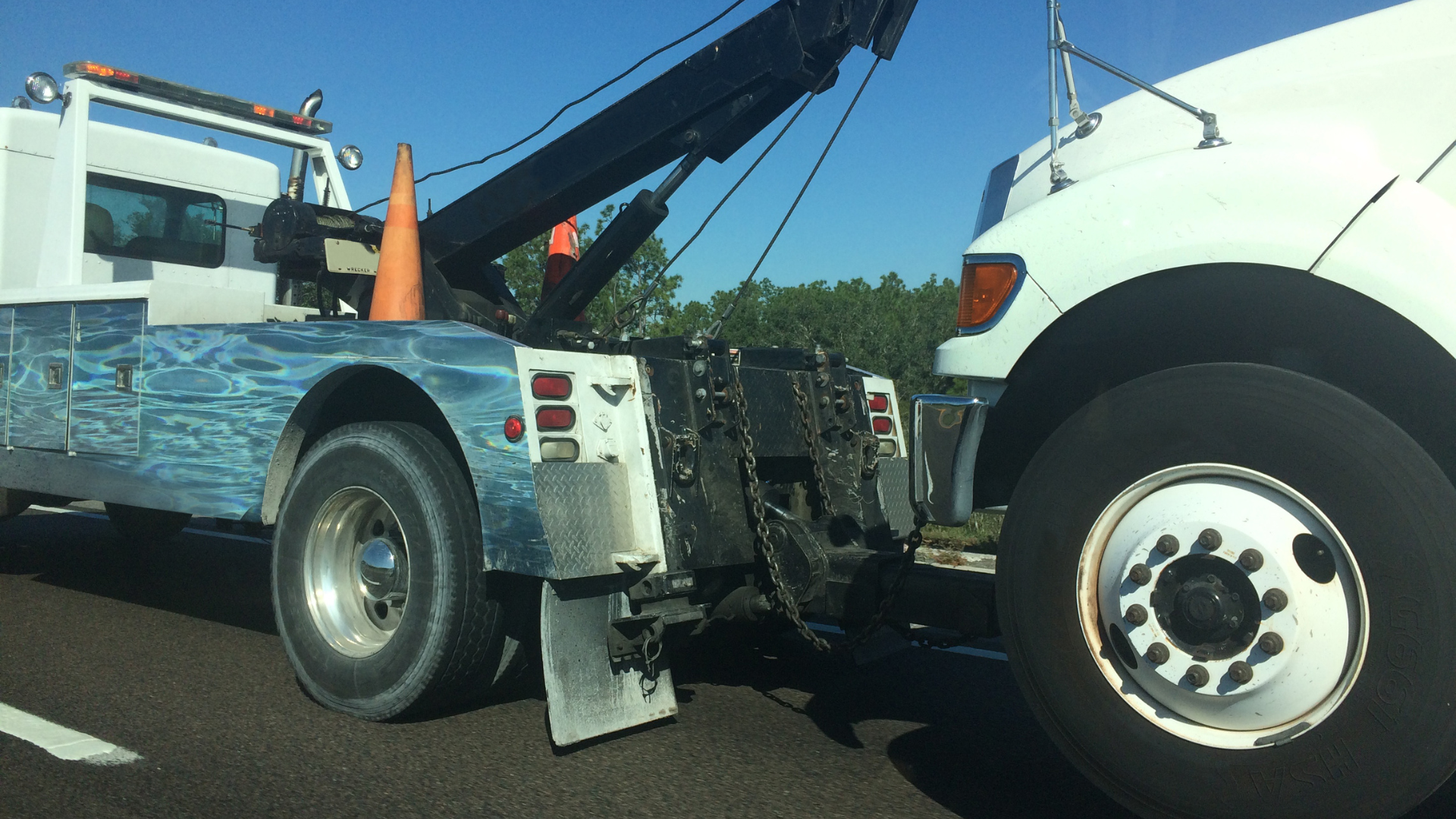
Towing Failures That Affect Ford F 250 Lemon Qualification
Towing failures often reveal defects that do not appear during daily driving. Owners report symptoms such as trailer sway, loss of power during inclines, inconsistent brake controller signals, and temperature spikes while hauling loads. These defects create significant safety concerns and reduce the truck’s performance in essential towing situations. When these failures continue after dealership intervention, they often signal deeper mechanical or electronic issues.
Repeated towing failures show that the truck cannot perform its intended duties safely or consistently. This pattern matters because the F 250 is marketed as a heavy duty vehicle designed for dependable hauling. When the truck cannot meet these expectations, it shows that a material defect exists. Each repeated failure adds weight to the claim and offers clear evidence that the vehicle no longer provides the function the owner reasonably expects.
Trailer Brake Controller Issues That Harm Truck Safety
Malfunctions in the trailer brake controller often appear when the owner hauls a heavy load. The system may send inconsistent signals or fail to engage fully when braking. These failures place the driver and surrounding traffic at risk. Many California owners rely on their Ford F 250 for towing equipment on steep hills or agricultural routes where accurate braking is critical. When the trailer brake controller behaves unpredictably, the defect creates a measurable safety hazard.
These problems often return after software updates or part replacements. Faulty wiring, sensor errors, or controller failures may cause the issue to reappear. This repetition helps demonstrate that the root cause remains unresolved. When the problem continues despite dealership efforts, owners gain stronger grounds to argue that the defect affects safe operation and qualifies the truck for lemon law relief.
How Brake Signal Failures Support Lemon Compensation
Brake signal failures show that the Ford F 250 cannot manage essential towing functions. When the system fails, the trailer may push the truck forward during braking or lose stability on uneven roads. These events create dangerous situations that many California lemon law claims highlight as substantial impairments. The repeated appearance of brake controller problems shows that Ford did not correct the underlying defect.
These brake failures also affect the truck’s overall value. A vehicle that cannot tow safely loses a core function for which many owners purchased it. This reduction in value helps demonstrate qualification for refund, replacement, or compensation. The persistent nature of the defect often leads manufacturers to resolve the claim rather than dispute the safety risk.
Overheating During Grade Climbs And Long Towing Routes
Overheating is one of the most common towing related defects reported by Ford F 250 owners. Drivers notice rapid temperature increases while hauling loads up long grades or traveling through high heat regions. These conditions are common across California, especially in counties with steep mountain passes and hot inland valleys. When the truck overheats under load, it often signals a cooling system weakness or engine defect.
Owners frequently report that overheating continues even after coolant flushes, hose replacements, or thermostat repairs. These temporary fixes fail to address the deeper issue, which may involve radiator inefficiency, faulty pumps, or software problems that mismanage temperature control. When these overheating incidents repeat, they provide clear evidence that the defect is substantial and persistent.
Why Repeated Overheating Strengthens Ford F 250 Claims
Repeated overheating events show that the Ford F 250 cannot perform safely during its intended use. Many owners tow livestock, construction equipment, travel trailers, or utility loads through areas with steep elevations. When the truck overheats during these tasks, the owner faces real safety risks, including engine failure or loss of power in high traffic or remote locations. These hazards contribute to the argument that the defect affects the use, value, and safety of the vehicle.
Chronic overheating also reduces the long term reliability of the engine. Heat damage can impact gaskets, sensors, and turbo components, leading to additional mechanical failures. This cumulative harm demonstrates that the defect causes continuing problems beyond the initial repair. Owners who experience this pattern often qualify for significant compensation under the California Lemon Law.
Towing Stress That Reveals Hidden Ford F 250 Defects
Heavy towing often exposes issues that normal driving does not reveal. Load pressure may uncover weaknesses in the powertrain, cooling system, drivetrain alignment, or electronic towing modules. These defects often remain unnoticed until the truck hauls a trailer across long distances or climbs steep grades. Once exposed, the problems tend to repeat, creating documentation that supports a lemon claim.
Towing stress also highlights inconsistencies in Ford’s attempts to repair the truck. When the dealership provides updates or part replacements that do not withstand real towing conditions, the continued failures show that the repair attempts were not successful. These patterns help demonstrate that the defect is significant and affects the truck’s essential functions.
How Load Pressure Helps Prove Manufacturer Fault
Load pressure creates clear conditions for mechanical failure. When the Ford F 250 performs poorly while towing, these performance issues show that the defect appears during normal, expected use. This performance failure reveals that the manufacturer did not provide a vehicle capable of meeting its towing specifications. Because towing is a primary function of the F 250, these defects carry significant legal weight.
Repeated towing related failures also prevent the owner from using the truck for work or personal needs. Many California drivers rely on the F 250 for agricultural hauling, commercial towing, or weekend travel. When these tasks become unsafe or impossible, the loss of use becomes an important factor in determining compensation.
Why Towing Failures Demonstrate Significant Defects In A Ford F 250
Towing failures help define the seriousness of the defect because they occur during essential performance tasks. Ford markets the F 250 as a heavy duty towing vehicle, and many owners purchase it for that specific purpose. When the truck cannot tow safely, the defect reduces its core function. California’s lemon law focuses on whether the defect affects use, value, or safety, and towing failures clearly impact all three.
These failures also increase the owner’s financial burden. Missed jobs, canceled hauling trips, and replacement vehicle costs add pressure to already stressful situations. As these events accumulate, they strengthen the legal position of the owner seeking relief. The law recognizes that towing failures create real hardship, not just inconvenience.
Why Manufacturers Often Dispute Towing Related Defects
Manufacturers sometimes argue that towing failures result from improper load distribution or heavy usage. However, repeated failures under normal towing loads contradict these claims. Many defects appear in trucks used within Ford’s specified weight limits, which helps show that the problem originates with the vehicle, not the owner. When dealerships document these failures, the evidence becomes even stronger.
These disputes often motivate owners to pursue lemon law remedies when Ford refuses to acknowledge the defect. Our team analyzes the repair history and towing incidents to prepare a claim that addresses these common disputes. Detailed records help protect the owner from unfair blame and highlight the true mechanical cause of the problem.
How Strong Evidence Overcomes Manufacturer Denials
Strong evidence helps counter arguments that suggest improper use. Repair notes, temperature readings, brake controller logs, towing conditions, and driver statements support the owner’s position. This evidence shows that the Ford F 250 failed during normal operation and not because of misuse. Consistent documentation helps establish that the defect originates within the truck itself.
These facts allow the owner to pursue compensation with confidence. When the manufacturer cannot explain the repeated failures, the case often resolves in the owner’s favor. Strong evidence also increases the likelihood of receiving a refund, replacement, or cash settlement.
Take Action Now For Your Ford F 250 Lemon Claim in California
If your Ford F 250 continues to experience towing failures, mechanical defects, or repeated repair attempts that never resolve the problem, you do not need to face the situation alone. California law gives you the right to pursue meaningful relief when your truck fails to perform safely and reliably. Every day spent waiting for another repair attempt delays the opportunity to receive compensation that can help you move forward.
Our Ford F 250 Lemon Lawyers at America’s Lemon Lawyer are ready to review your repair history, explain your legal options, and guide you through each step with clarity and confidence. We understand how important your truck is to your work, your safety, and your daily responsibilities. When Ford cannot correct the defect, you deserve a legal team that stands with you and fights for the outcome your situation deserves.
Contact our team today at 786-628-9906. We are here to help you protect your rights and pursue the relief available under California law.